
Maintaining the correct tyre pressure is one of the simplest yet most important aspects of vehicle maintenance. While many car owners ask how much air pressure in car tyre is ideal, they often overlook another equally important question—which tyre is best for car. Both factors work together to improve safety, fuel efficiency, handling, and tyre lifespan.
Driving with incorrect tyre pressure or poor-quality tyres can reduce road grip, increase fuel consumption, and lead to premature tyre wear. Understanding the basics of tyre care helps you get the best performance from your vehicle while ensuring a safer driving experience.
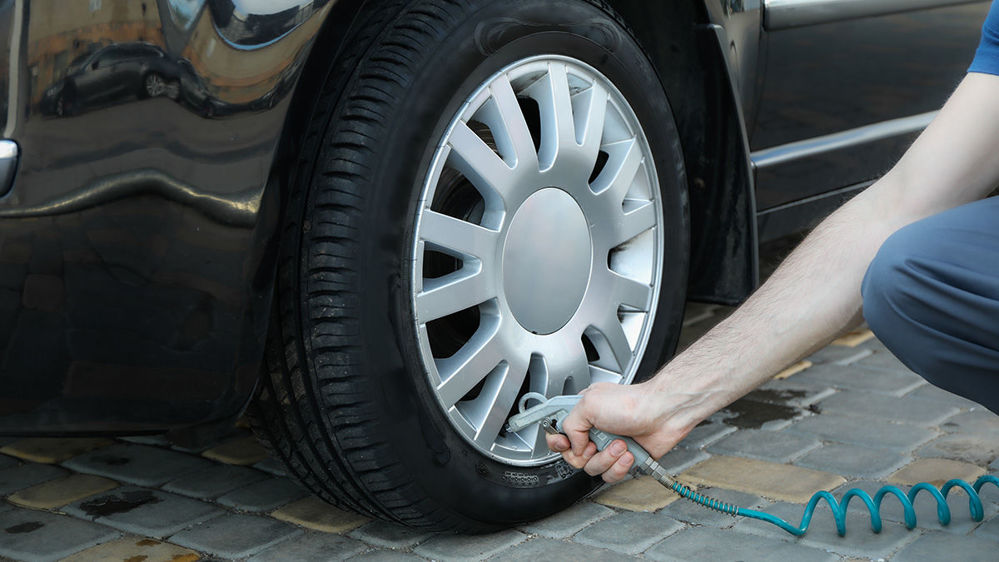
Why Tyre Pressure Is So Important
Tyres are the only point of contact between your car and the road. Proper inflation ensures that the tyre maintains maximum contact with the road surface, providing better stability and control.
Maintaining the recommended tyre pressure helps:
- Improve fuel efficiency
- Enhance braking performance
- Increase tyre lifespan
- Improve steering response
- Reduce uneven tread wear
- Provide a smoother ride
- Improve overall road safety
Even a small change in tyre pressure can significantly affect your car’s performance.
How Much Air Pressure in Car Tyre Is Recommended?
Many drivers wonder how much air pressure in car tyre is correct, but there isn’t a single answer for every vehicle.
The recommended tyre pressure depends on:
- Vehicle model
- Tyre size
- Passenger load
- Cargo weight
- Driving conditions
Most passenger cars require tyre pressure between 30 and 35 PSI, although some SUVs, electric vehicles, and premium cars may have different recommendations.
The correct tyre pressure can usually be found:
- Inside the driver’s door frame
- In the owner’s manual
- On the fuel filler flap (for some vehicles)
Always follow the manufacturer’s recommendation rather than the maximum pressure printed on the tyre sidewall.
What Happens If Tyre Pressure Is Too Low?
Underinflated tyres create several problems.
These include:
Reduced Fuel Efficiency
Low tyre pressure increases rolling resistance, forcing the engine to work harder and consume more fuel.
Uneven Tyre Wear
The outer edges of underinflated tyres wear faster, reducing tyre life.
Poor Handling
Soft tyres reduce steering precision and increase braking distances.
Risk of Overheating
Underinflated tyres generate excessive heat, increasing the chances of tyre damage during long journeys.
What Happens If Tyre Pressure Is Too High?
Overinflated tyres also affect vehicle performance.
Common issues include:
- Reduced road grip
- Harsher ride quality
- Faster centre tread wear
- Increased risk of damage from potholes
- Reduced braking performance
Maintaining the correct pressure ensures the tyre performs as intended.
Which Tyre Is Best for Car?
Choosing which tyre is best for car depends on your vehicle type, driving habits, and road conditions rather than selecting the most expensive option.
Correct Tyre Size
Always choose the tyre size recommended by your vehicle manufacturer.
Incorrect tyre sizes can affect:
- Speedometer accuracy
- Fuel economy
- Handling
- Ride comfort
- Braking efficiency
Driving Conditions
Think about where you drive most often.
- City roads
- Highways
- Rural roads
- Hilly regions
- Wet conditions
Different tread patterns perform better under different road environments.
Tyre Durability
High-quality tyres use advanced rubber compounds that provide better wear resistance and longer service life.
Wet and Dry Grip
Choose tyres that deliver excellent traction across different weather conditions to improve safety throughout the year.
Low Rolling Resistance
Modern tyres designed with low rolling resistance help improve fuel efficiency without compromising performance.
Tips for Maintaining Your Car Tyres
Proper maintenance extends tyre life while improving safety.
Follow these simple practices:
- Check tyre pressure at least once a month.
- Inspect tyres before long journeys.
- Rotate tyres every 8,000–10,000 kilometres.
- Perform wheel alignment when needed.
- Balance wheels after tyre replacement.
- Remove embedded stones and debris.
- Avoid overloading the vehicle.
Routine maintenance helps maximise tyre performance and reduces long-term costs.
Signs It’s Time to Replace Your Tyres
Tyres should be replaced when they show signs of excessive wear or damage.
Watch for:
- Low tread depth
- Sidewall cracks
- Bulges
- Frequent punctures
- Uneven tread wear
- Reduced grip
- Excessive vibrations
- Longer braking distances
Replacing tyres on time improves both safety and driving comfort.

Why Quality Tyres Are Worth the Investment
Although premium tyres may cost more initially, they often provide better value through:
- Improved safety
- Better mileage
- Enhanced fuel efficiency
- Longer tread life
- Comfortable driving
- Lower maintenance costs
- Reliable performance in all weather conditions
Quality tyres help reduce the overall cost of ownership while delivering greater peace of mind.
Conclusion
Knowing how much air pressure in car tyre is recommended and understanding which tyre is best for car are essential for maintaining safety, comfort, and performance. Correct tyre pressure combined with high-quality tyres improves handling, braking, fuel efficiency, and tyre lifespan. Apollo Tyres offers a wide range of premium car tyres designed for Indian roads, along with an easy online tyre shopping platform that helps you find the perfect fit for your vehicle. Whether you’re replacing worn tyres or upgrading for better performance, Apollo Tyres provides dependable solutions for safer and smoother journeys.