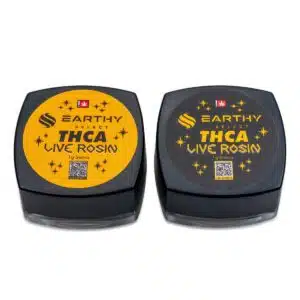
A flower may look dense, frosty, and perfectly trimmed under bright packaging lights, but appearance tells only part of the story. The real character of THCa flower is shaped long before it reaches a jar or retail shelf. Genetics, cultivation methods, cannabinoid development, terpene preservation, harvesting, curing, and laboratory testing all contribute to what ultimately ends up in an ounce.
For consumers exploring THCa flower online, understanding these factors can make product labels much easier to interpret. Potency may attract attention first, but quality is rarely determined by a single percentage. A high-quality THCa flower ounce is the result of several elements working together, with consistency and proper handling playing just as important a role as cannabinoid content.
Potency Is Important, But It Is Not the Whole Story
THCa, or tetrahydrocannabinolic acid, is the naturally occurring acidic precursor to THC found in raw cannabis flower. When exposed to heat, THCa undergoes decarboxylation and converts into THC. This is why THCa percentage is often one of the first specifications consumers examine.
However, potency should be evaluated within the broader cannabinoid profile.
Two flowers can have similar THCa percentages while delivering noticeably different aromatic and sensory characteristics because their terpene concentrations and minor cannabinoid profiles differ. A product with a slightly lower THCa percentage may still be considered more appealing if it offers stronger freshness, better terpene preservation, and more consistent cultivation.
Laboratory results can help provide a more objective picture. Rather than relying solely on a headline potency number, examine the complete cannabinoid analysis and verify that the product has been tested by an independent laboratory.
Terpenes Give Flower Its Distinctive Character
If cannabinoids provide one layer of a flower’s chemistry, terpenes provide another.
Terpenes are aromatic compounds naturally produced by cannabis and many other plants. They contribute to the distinctive scents and flavors associated with different cultivars. Depending on the terpene composition, flower may have citrusy, floral, earthy, piney, herbal, peppery, or fuel-like aromatic characteristics.
Common cannabis-associated terpenes include myrcene, limonene, caryophyllene, pinene, and linalool. Their proportions can vary substantially between cultivars and individual harvests.
This makes the terpene profile particularly useful when evaluating THCa flower online. A listing that provides only a THCa percentage gives limited information. A more complete product description should ideally identify the cultivar or strain, terpene profile, harvest information when available, and laboratory results.
Terpenes are also volatile, meaning improper storage can gradually diminish their presence. Excessive heat, light, oxygen exposure, or prolonged storage can negatively affect aromatic quality.
Genetics Set the Foundation for Quality
Before cultivation even begins, genetics establish much of a flower’s potential.
Cultivar genetics influence cannabinoid production, terpene expression, plant structure, flowering characteristics, and overall development. Experienced cultivators therefore begin with stable genetics suited to their growing environment and production goals.
Genetics alone, however, cannot guarantee an exceptional harvest. Even strong genetics can produce inconsistent results when plants experience poor environmental conditions, inadequate nutrition, improper irrigation, or harvesting mistakes.
For consumers comparing a THCa flower ounce, information about cultivar identity and consistency can therefore be useful. A reputable product should have traceable information rather than relying exclusively on vague descriptions such as “premium” or “top shelf.”
Cultivation Practices Shape the Final Product
Cannabis plants respond strongly to their growing environment. Light intensity, temperature, humidity, airflow, irrigation, nutrition, and growing medium can all influence plant development.
Indoor cultivation allows growers to control environmental variables closely, while greenhouse and outdoor cultivation can introduce different environmental dynamics. Neither approach automatically guarantees superior quality. What matters is how effectively the cultivation system is managed.
Plant health is particularly important during flowering. Stress can affect development and may influence cannabinoid and terpene production. Skilled cultivation focuses on maintaining appropriate conditions throughout the plant’s life cycle rather than attempting to compensate for problems at harvest.
Quality cultivation is therefore less about a single technique and more about consistency, monitoring, sanitation, environmental control, and careful harvesting.
Harvest Timing Can Change the Finished Flower
When cannabis is harvested can influence the characteristics of the finished flower.
Growers monitor plant maturity using visual and technical indicators, including the development of trichomes. These resin-producing structures contain cannabinoids and terpenes and are closely associated with the chemical development of the flower.
Harvesting too early or too late can affect the final cannabinoid and terpene profile. Once the plants are harvested, the work is not finished. Drying and curing become critical steps in preserving quality.
A controlled drying process helps reduce excess moisture while protecting the flower’s structure and aromatic compounds. Curing allows moisture to equilibrate within the flower and can contribute to a more stable, refined finished product.
Freshness and Storage Matter After Production
Even carefully cultivated flower can lose quality if it is poorly stored.
Exposure to heat, light, oxygen, and excessive humidity can affect cannabis flower over time. Excess moisture can create conditions that encourage microbial growth, while excessively dry flower may become brittle and lose aromatic compounds.
Packaging should therefore protect the flower from environmental exposure. Consumers evaluating a THCa flower ounce should consider packaging quality, freshness indicators, and storage practices alongside laboratory results.
For products purchased through THCa flower online retailers, accurate product descriptions and transparent testing information become particularly important because consumers cannot physically inspect the flower before purchase.
Laboratory Testing Adds an Essential Layer of Transparency
Visual inspection can reveal characteristics such as density, color, trim quality, and visible trichome coverage, but it cannot confirm cannabinoid concentrations or rule out certain contaminants.
Independent laboratory testing can provide information about cannabinoid content and, depending on the testing panel and applicable requirements, may assess contaminants such as pesticides, heavy metals, microbial contamination, residual solvents, or other substances.
A certificate of analysis (COA) should correspond to the specific product or batch whenever possible. Consumers should look for clear laboratory documentation rather than relying solely on marketing claims.
Testing does not replace careful cultivation and handling, but it provides an important verification layer between production and the finished product.
What Should You Look for in a Quality THCa Flower Ounce?
A useful evaluation framework is to consider several factors together:
- Cannabinoid profile: Look beyond a single THCa percentage and review the available cannabinoid data.
- Terpene profile: Identify the dominant terpenes and consider whether the aromatic profile matches the product description.
- Genetics: Look for clear cultivar information and consistent product identification.
- Cultivation: Consider whether the producer provides meaningful information about growing and production practices.
- Harvest and curing: Properly dried and cured flower should maintain an appropriate texture and recognizable aroma.
- Laboratory testing: Review current, batch-specific testing when available.
- Storage and packaging: Protection from light, heat, oxygen, and excessive moisture helps preserve product quality.
- Freshness: Older or poorly stored flower may not retain the same aromatic and physical characteristics as a fresh harvest.
The strongest products generally demonstrate consistency across these categories rather than excelling in only one.
Quality Is a Complete Profile, Not a Single Number
A THCa flower ounce is more than a quantity of cannabis flower measured by weight. Its quality represents the cumulative result of genetics, cultivation, harvest timing, drying, curing, storage, and testing.
Potency remains an important consideration, but it should not overshadow terpene preservation, product freshness, cultivation standards, or laboratory transparency. For consumers researching THCa flower online, learning how these variables interact makes it easier to distinguish meaningful product information from marketing language.
Ultimately, the most useful approach is to evaluate the entire profile. When cannabinoid data, terpene information, cultivation practices, freshness, and laboratory testing align, consumers have a much clearer basis for understanding what contributes to the quality of a THCa flower ounce.