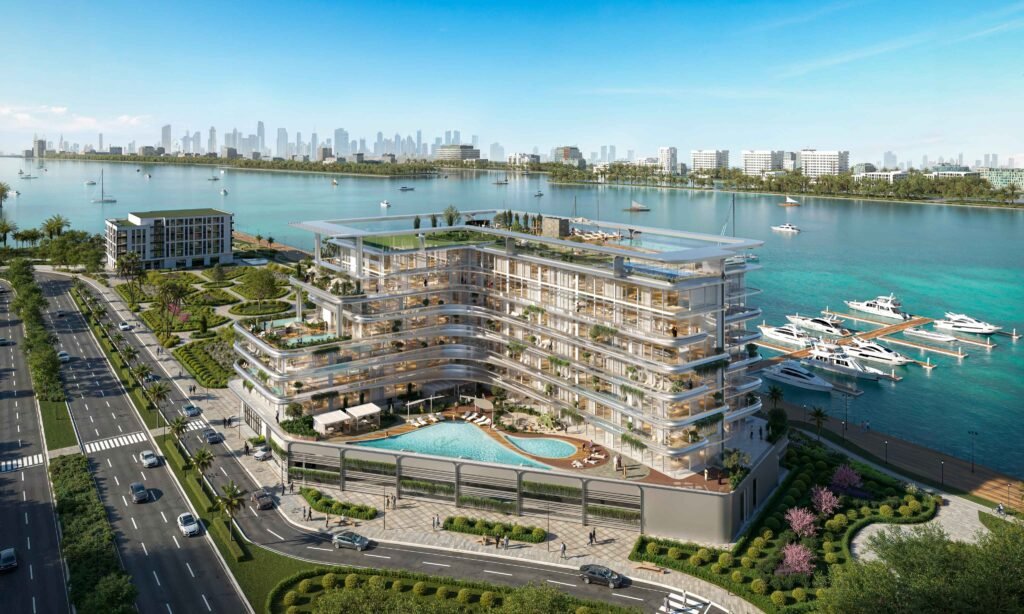
Luxury hotels are designed to offer more than comfort. They create memorable environments where architecture, interiors, landscape, and services work together to shape a complete guest experience. Luxury hotel architects play an important role in turning these expectations into physical spaces that feel distinctive, functional, and timeless. From arrival areas and guest rooms to restaurants, wellness spaces, and outdoor zones, every detail can influence how visitors perceive a property. This article explores the different uses of architectural planning in luxury hospitality and how thoughtful design can create recognizable and lasting experiences.
1. Creating a Strong First Impression
A hotel experience often begins before a guest enters the reception area. The entrance, driveway, façade, lobby, lighting, landscaping, and circulation route establish an immediate sense of identity.
Architectural planning can be used to:
- Create a distinctive arrival sequence
- Establish a clear visual identity
- Guide guests naturally through the property
- Balance grandeur with comfort
- Integrate landscape and architecture
The goal is not simply to make an entrance impressive. It should also make movement intuitive. A carefully planned arrival can reduce confusion while creating anticipation about what lies beyond the lobby.
For this reason, luxury hotel architects consider visual composition, scale, materials, lighting, and spatial transitions together rather than treating the entrance as an isolated element.
2. Designing Guest Rooms Around Comfort
Guest rooms are among the most important spaces in hospitality design because visitors spend significant time resting, working, and relaxing there. Architecture can influence these activities through room proportions, window placement, furniture planning, storage, lighting, and acoustic considerations.
A well-designed room may use:
- Flexible areas for sleeping, working, and relaxing
- Natural light to improve the sense of openness
- Carefully positioned views toward attractive surroundings
- Integrated storage to reduce visual clutter
- Materials that support a calm atmosphere
Luxury does not necessarily depend on adding more decorative elements. Instead, it can come from thoughtful planning, generous proportions, privacy, and attention to everyday usability.

3. Turning Common Areas Into Social Experiences
Hotels contain many shared spaces, including lounges, restaurants, cafés, terraces, pools, and event areas. These spaces serve different purposes and need to support both social interaction and individual comfort.
Architectural design can define zones without making them feel disconnected. Changes in ceiling height, furniture arrangement, flooring, lighting, or material can subtly separate activities while maintaining visual continuity.
This approach allows a hotel to accommodate different guest behaviors. Someone may want to socialize in a lively lounge, while another guest may prefer a quieter corner. Good planning provides both options within a coherent environment.
4. Using Architecture to Strengthen Local Character
A memorable hotel should have a relationship with its location. Generic design can make properties feel interchangeable, while context-driven architecture can give them a stronger sense of place.
The work of luxury hotel architects can involve studying:
- Local climate and environmental conditions
- Cultural influences and architectural traditions
- Available materials and construction methods
- Views, terrain, and surrounding urban conditions
- Local patterns of movement and activity
The result does not have to copy traditional architecture. Instead, designers can interpret local characteristics through contemporary forms, materials, textures, proportions, and spatial experiences.
This creates hospitality spaces that feel connected to their surroundings while still offering a modern guest experience.
5. Making Wellness Areas More Restorative
Wellness has become an important part of hospitality, making spas, fitness areas, pools, meditation rooms, and outdoor relaxation spaces increasingly significant.
Architecture can support wellness by creating environments that encourage calm and reduce sensory overload. Natural light, greenery, water features, ventilation, acoustics, and carefully selected materials can all contribute to the atmosphere.
A wellness area can also benefit from clear transitions between active and quiet zones. For example, fitness spaces may require energetic layouts, while treatment rooms need privacy and tranquility.
Thoughtful planning ensures these contrasting functions coexist without compromising the overall experience.
6. Balancing Luxury With Sustainability
Modern hospitality architecture increasingly considers environmental performance alongside visual appeal. A luxury property can be sophisticated while also responding to climate, resource consumption, and long-term operational needs.
Sustainable architectural strategies may include:
- Passive shading and solar control
- Efficient daylight planning
- Natural ventilation where appropriate
- Water-conscious landscape design
- Durable and responsibly selected materials
- Energy-efficient building systems
- Green spaces that support local conditions
Sustainability can therefore become part of the design experience rather than an invisible technical requirement. When integrated from the beginning, environmental strategies can improve comfort and reduce operational demands while preserving the character of the property.

7. Creating Flexible Hospitality Spaces
Hotels need to respond to changing guest expectations. Restaurants may host breakfast in the morning and private events later. Lounges can transition from daytime workspaces to evening social settings. Event halls may accommodate conferences, celebrations, or exhibitions.
This is where flexibility becomes an important architectural use.
Movable partitions, adaptable furniture, multiple access points, integrated technology, and carefully planned service areas can help spaces perform several functions. Such planning improves the long-term value of the property because rooms can respond to changing operational requirements without major structural modifications.
8. Why Dubai Requires Context-Sensitive Hotel Design
Dubai presents a distinctive environment for hospitality architecture, combining rapid urban development, diverse visitors, ambitious commercial projects, and challenging climatic conditions. Designers must therefore consider both global hospitality expectations and local environmental realities.
For clients searching among the best architecture companies in Dubai, the ability to connect design ambition with practical planning is particularly important. A successful hotel needs to look distinctive while also functioning efficiently for guests, staff, and operators.
Architectural decisions may address heat, solar exposure, outdoor comfort, circulation, privacy, and connections between indoor and outdoor areas. The strongest concepts use these conditions as design opportunities rather than treating them only as limitations.
9. Integrating Architecture and Interior Design
A luxury hotel feels more cohesive when its architecture and interiors are developed as parts of the same design vision. Exterior forms, lobby spaces, guest rooms, restaurants, and amenities should share a consistent language while retaining their individual functions.
This can be achieved through coordinated choices involving:
- Material palettes
- Lighting concepts
- Spatial proportions
- Furniture and fixtures
- Color and texture
- Signage and wayfinding
For this reason, clients evaluating the best architecture companies in Dubai often look beyond visual presentation. They need design teams capable of coordinating multiple disciplines and maintaining consistency throughout a complex project.
10. Building a Recognizable Identity
Iconic hospitality spaces are often remembered because they provide a distinctive combination of atmosphere, function, and visual character. Architecture contributes to this identity through memorable forms, carefully framed views, unique public spaces, and meaningful transitions.
The most effective approach is not to pursue unusual design simply for attention. Instead, luxury hotel architects can identify what makes a property unique and express that quality consistently throughout the guest journey.
When architecture supports the hotel’s purpose, the result can become recognizable without feeling forced.
11. Supporting Long-Term Operational Value
Hotel architecture must work for guests, but it must also work for the people operating the property. Back-of-house circulation, staff access, storage, maintenance, deliveries, kitchens, housekeeping routes, and service areas require careful planning.
Separating guest and service circulation where appropriate can improve efficiency and preserve the guest experience. Similarly, durable materials and accessible maintenance zones can reduce long-term operational challenges.
This practical layer is one reason the selection of best architecture companies in Dubai should involve more than reviewing attractive project images. Experience, planning ability, technical coordination, and understanding of hospitality operations are equally valuable.
Conclusion
Iconic hospitality experiences emerge when architecture responds to comfort, identity, context, sustainability, and operational needs at the same time. From memorable entrances and adaptable public areas to restful guest rooms and wellness spaces, every design decision can influence how visitors experience a hotel. Luxury hotel architects help connect these individual elements into one coherent journey. In Dubai, thoughtful design also needs to address climate, culture, and changing expectations. With its focus on innovative and sustainable design solutions, ZNera Space approaches architecture with attention to context, purpose, and long-term value.

Leave a Reply