
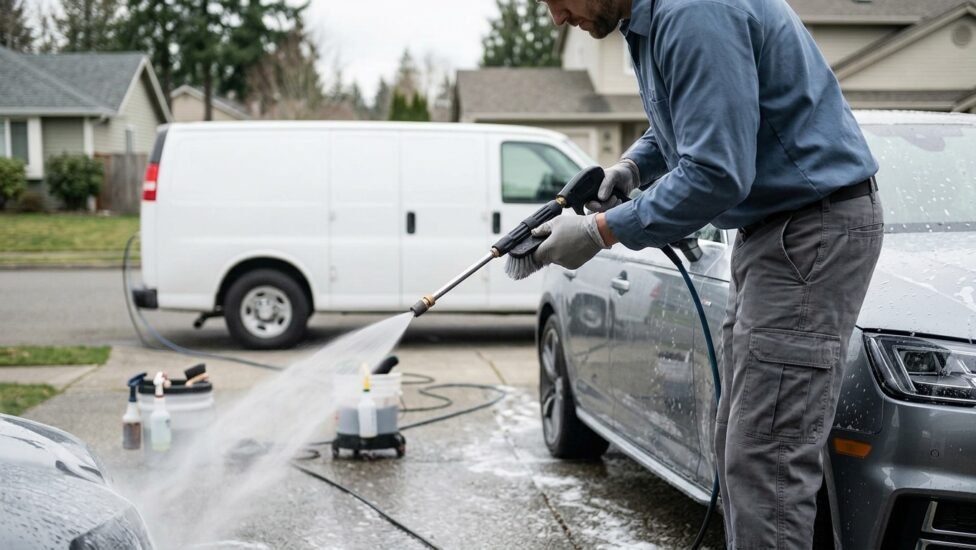
Fleet maintenance is about more than changing oil, checking tires, and repairing mechanical problems. For transportation, delivery, construction, and logistics businesses, keeping vehicles clean should also be part of the overall maintenance strategy. Regular cleaning helps protect vehicle surfaces, makes inspections easier, and supports a professional appearance.
A well-planned fleet maintenance schedule combines mechanical servicing with routine washing and cleaning. Instead of treating vehicle cleaning as an occasional task, businesses can include it alongside scheduled inspections and service appointments.
Why Vehicle Cleaning Should Be Part of Fleet Maintenance
Commercial vehicles are exposed to road dust, mud, grease, oil, salt, chemicals, and other contaminants. If these substances remain on vehicle surfaces for extended periods, they can contribute to corrosion, staining, and deterioration of painted or metal components.
Clean vehicles are also easier for maintenance teams to inspect. Dirt and grease can hide leaks, cracks, damaged components, and other visible issues. A cleaner vehicle gives technicians a better opportunity to identify problems before they become more expensive repairs.
For businesses that operate multiple trucks, vans, trailers, or other commercial vehicles, establishing a consistent cleaning routine can make fleet care more organized and predictable.
Create a Fleet Maintenance Calendar
The first step is to build a maintenance calendar that covers both mechanical servicing and cleaning requirements. Each vehicle should have a record showing its service dates, mileage, inspections, repairs, and cleaning schedule.
Consider including:
- Oil and filter changes
- Tire inspections and rotations
- Brake inspections
- Fluid checks
- Battery inspections
- Safety inspections
- Exterior washing
- Undercarriage cleaning
- Interior cleaning
- Specialized cleaning after heavy-duty use
The ideal cleaning frequency depends on the type of vehicle, operating environment, mileage, and type of cargo being transported. Vehicles working on construction sites or industrial locations may require more frequent cleaning than vehicles primarily used for highway transportation.
Match Cleaning Frequency to Vehicle Usage
Not every fleet vehicle needs the same cleaning schedule. A company should consider where and how each vehicle operates.
For example, vehicles traveling through muddy areas may need frequent exterior washing to prevent heavy buildup. Trucks transporting materials may require specialized cleaning because of dust, grease, or residue. Delivery vans operating in urban areas may need regular cleaning primarily to maintain a professional appearance.
Creating different cleaning intervals for different vehicle categories can help businesses avoid unnecessary cleaning costs while ensuring heavily used vehicles receive appropriate attention.
Combine Washing With Routine Inspections
One practical approach is to coordinate vehicle cleaning with scheduled inspections. Before or after a service appointment, the vehicle can receive a thorough cleaning so maintenance personnel can more easily examine its exterior and accessible components.
This can be particularly useful for larger commercial fleets. Regular fleet power washing can remove accumulated dirt and grime from trucks, trailers, and other commercial vehicles, helping businesses maintain a consistent cleaning routine alongside their broader maintenance program.
Cleaning should not replace mechanical inspections, of course. Instead, it should complement them by keeping the vehicle in a condition where visible problems are easier to identify.
Pay Attention to High-Risk Areas
Some areas of commercial vehicles collect more contaminants than others. Wheels, wheel wells, undercarriages, steps, bumpers, and lower body panels are often exposed to significant amounts of road debris and grime.
These areas deserve additional attention during cleaning. Removing accumulated material can help prevent buildup and make routine inspections easier.
Businesses should also consider the vehicle’s operating environment. Fleets exposed to road salt, industrial chemicals, mud, or oily substances may need specialized cleaning procedures and shorter intervals between washes.
Keep Maintenance Records
Documentation is an important part of fleet management. Businesses should record not only mechanical repairs but also cleaning activities.
A simple fleet maintenance record can include:
| Maintenance Item | Recommended Record |
|---|---|
| Vehicle washing | Date, vehicle ID, cleaning type |
| Mechanical service | Date, mileage, service performed |
| Tire maintenance | Date, mileage, inspection results |
| Brake inspection | Date, findings, repairs |
| Exterior inspection | Visible damage or concerns |
| Deep cleaning | Date and reason for service |
These records can help fleet managers identify patterns. If a particular vehicle requires unusually frequent repairs or cleaning, that information may indicate a need for closer inspection or changes in its operating routine.
Train Drivers and Fleet Staff
Drivers play an important role in maintaining fleet condition. They should know how to identify obvious issues and report them promptly.
A basic driver checklist might include checking for:
- New fluid leaks
- Damaged lights
- Tire problems
- Broken mirrors
- Unusual exterior damage
- Excessive dirt buildup
- Damaged decals or company markings
- Problems with doors or cargo areas
Drivers can also report when a vehicle requires additional cleaning. Early reporting helps fleet managers schedule maintenance before small issues become larger operational problems.
Use Professional Cleaning for Larger Fleets
Managing cleaning internally may become difficult as the number of vehicles increases. Fleet operators have to consider labor, equipment, water usage, cleaning products, scheduling, and the time vehicles spend out of service.
Professional commercial vehicle cleaning can help businesses establish a consistent process without requiring their own employees to handle every cleaning task. Mobile services can also be useful for companies that want vehicles cleaned at their facility rather than transporting each vehicle to a separate location.
The key is to select a cleaning schedule that fits the fleet’s operational demands and minimizes unnecessary downtime.
Protect Your Fleet Between Service Appointments
A regular maintenance schedule works best when vehicle care continues between major service appointments. Drivers and fleet managers should monitor cleanliness, visible damage, tire condition, fluid levels, and other routine concerns throughout the vehicle’s operating cycle.
Combining cleaning with preventive maintenance creates a more complete approach to fleet care. It helps businesses stay organized, identify visible problems sooner, maintain vehicle presentation, and keep commercial assets in better condition.
Final Thoughts
Fleet maintenance should be viewed as an ongoing process rather than a series of emergency repairs. Mechanical servicing remains essential, but regular vehicle cleaning deserves a place in the same maintenance strategy.
By establishing cleaning intervals, coordinating washing with inspections, maintaining service records, training drivers, and using professional cleaning support when appropriate, fleet operators can create a practical maintenance routine that supports both vehicle condition and day-to-day operations.