
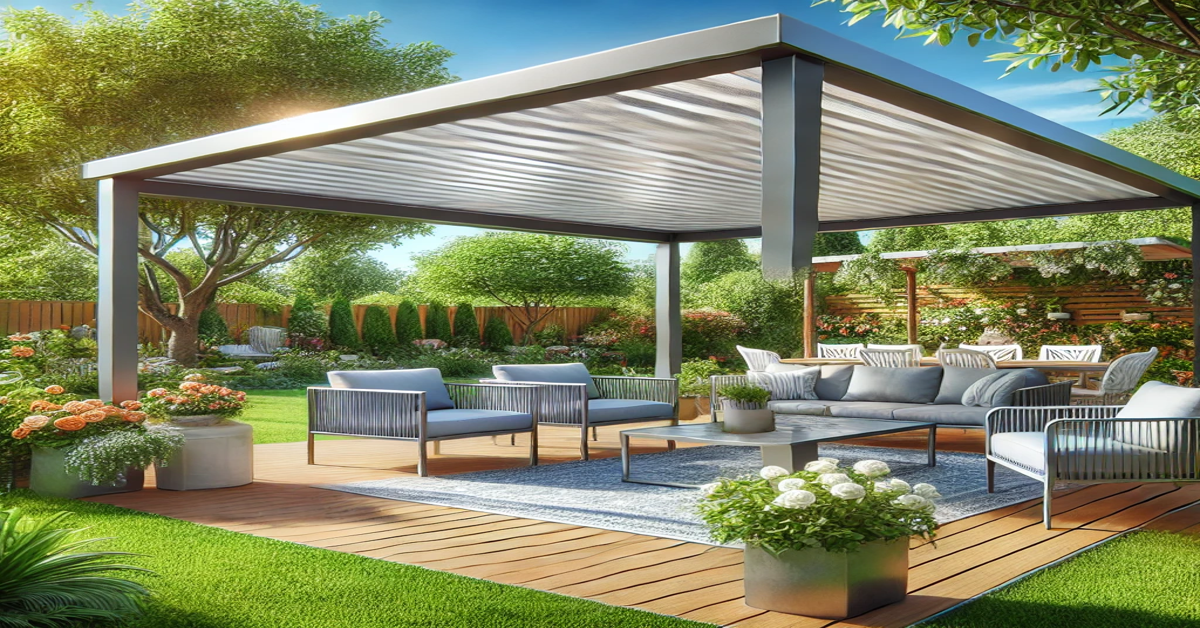
A patio cover does more than provide shade. It extends your living space, protects outdoor furniture, and creates a comfortable place to relax throughout the year. When choosing the right material, homeowners often compare aluminum patio covers with traditional wood patio covers. Each option has unique strengths, but the right choice depends on your priorities, climate, maintenance expectations, and budget.
This comparison explores the key differences to help you make an informed decision before investing in your outdoor space.
Durability and Weather Resistance
One of the biggest differences between aluminum and wood is how they perform over time.
Aluminum patio covers are built to withstand harsh weather conditions. They resist rust, moisture, insects, and warping, making them an excellent choice for areas with heavy rain, intense sunlight, or fluctuating temperatures. Unlike natural materials, aluminum does not crack or rot as it ages.
Wood patio covers, on the other hand, offer impressive strength but require more protection from the elements. Without regular sealing or staining, wood can absorb moisture, leading to rot, mold, or insect damage. While quality hardwoods last longer than softwoods, they still demand ongoing care to maintain their appearance and structural integrity.
For homeowners looking for a long-lasting solution with minimal upkeep, aluminum often has the advantage.
Maintenance Requirements
Maintenance is another important factor when comparing these two materials.
Aluminum patio covers require very little attention. Occasional cleaning with water and mild soap is usually enough to keep them looking their best. Since aluminum doesn’t need painting or sealing, ongoing maintenance costs remain low.
In contrast, wood patio covers require routine inspections and periodic treatments. Painting, staining, and sealing help protect the wood from weather damage and preserve its natural beauty. While many homeowners appreciate the character that wood develops over time, maintaining that appearance requires consistent effort.
If convenience is a priority, aluminum provides a simpler ownership experience.
Appearance and Design Flexibility
Wood remains a popular choice because of its timeless appearance. Its natural grain and warm texture create a welcoming atmosphere that complements traditional, rustic, and craftsman-style homes. Wood can also be painted or stained in nearly any color to match changing design preferences.
Aluminum has evolved significantly in recent years. Modern finishes can replicate the appearance of wood while offering the benefits of metal construction. Available in various colors, textures, and styles, aluminum patio covers fit both contemporary and classic home designs.
Homeowners who love the authentic character of natural timber may still prefer wood, while those seeking a clean, modern finish often lean toward aluminum.
Cost Considerations
The initial installation cost varies depending on material quality, design complexity, and labor.
Wood patio covers can sometimes have a lower upfront cost, particularly when using common lumber. However, long-term expenses often increase because of maintenance, repairs, and refinishing.
Aluminum patio covers may involve a higher initial investment, especially for premium insulated models. Over time, lower maintenance costs and extended durability can make aluminum the more economical option.
Looking beyond the purchase price helps homeowners understand the true lifetime value of each material.
Environmental Impact
Sustainability has become an important consideration for many homeowners.
Responsibly sourced wood is a renewable material and can have a relatively low environmental impact when harvested from certified forests. However, treatments, stains, and sealants used during maintenance may affect its overall environmental footprint.
Aluminum is highly recyclable and can often be reused without losing its structural properties. Many manufacturers incorporate recycled aluminum into their products, reducing demand for newly mined materials.
Choosing environmentally responsible products depends on sourcing, manufacturing practices, and expected service life.
Which Option Fits Your Lifestyle?
There is no one-size-fits-all answer.
Choose aluminum patio covers if you want:
- Long-lasting durability
- Low maintenance requirements
- Excellent weather resistance
- Modern appearance
- Lower lifetime ownership costs
Choose wood patio covers if you value:
- Natural beauty
- Traditional architectural style
- Custom staining or painting options
- Authentic wood texture
- Classic outdoor aesthetics
Your local climate, available maintenance time, and design preferences should all influence your decision.
Choosing the Right Patio Cover Manufacturer
The quality of the installation matters just as much as the material itself. Reputable patio cover manufacturers use high-quality materials, provide strong warranties, and offer customization options that match your home’s architecture.
Before making a purchase, compare manufacturers based on:
- Product quality and certifications
- Warranty coverage
- Installation experience
- Customer reviews
- Available design options
- After-sales support
Working with an experienced manufacturer helps ensure your investment performs well for years to come.
Final Thoughts
Both aluminum patio covers and wood patio covers offer valuable benefits, but they serve different homeowner priorities. Wood delivers timeless charm and natural warmth, while aluminum provides exceptional durability, minimal maintenance, and reliable performance in challenging weather conditions.
If your goal is a patio cover that combines longevity with easy care, aluminum is often the stronger long-term investment. If architectural character and natural materials are your highest priorities, wood remains an attractive choice with proper maintenance.
By comparing durability, maintenance, appearance, cost, and the reputation of patio cover manufacturers, you can confidently choose the solution that best enhances your outdoor living space for years to come.