

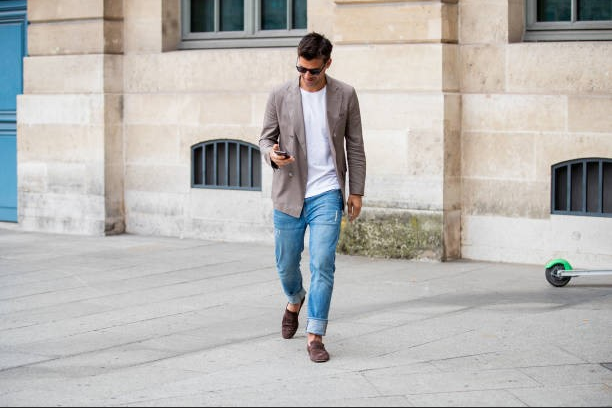
The line between office clothing and weekend style is becoming less rigid. Many men no longer want a jacket that only works for formal meetings, weddings, or special events. They want something comfortable enough for dinner, polished enough for work, and versatile enough to wear with jeans, chinos, or sneakers. That shift has brought the casual blazer into greater focus.
Its growing appeal is connected to more relaxed workplace expectations, flexible social dress codes, and demand for clothing that serves several purposes. As soft construction and breathable materials replace stiff tailoring, the blazer is becoming easier to wear. But which features are driving interest, and how is smart casual menswear changing the way men shop?
Key Takeaways
- The casual blazer bridges the gap between formal tailoring and relaxed everyday clothing.
- Hybrid work and flexible dress codes encourage demand for versatile jackets.
- Soft shoulders and breathable fabrics make modern blazers more comfortable.
- Neutral colors offer greater styling flexibility across seasons.
- Knitwear, men’s accessories, and clean footwear can adjust the formality of an outfit.
Casual Blazer Demand Analysis in the Growing Smart Casual Menswear Market
Flexible Dress Codes Increase Blazer Demand
Traditional business clothing once relied heavily on structured suits, formal shirts, and polished dress shoes. Today, many workplaces allow employees to combine tailored pieces with relaxed wardrobe basics.
A blazer can now be worn with a polo, knitted shirt, plain T-shirt, or open-collar button-down. This gives men a polished layer without requiring a complete suit. The result feels appropriate for presentations, coworking spaces, business lunches, and workplaces where formal clothing may seem excessive.
Industry trend reporting has also highlighted relaxed tailoring and wearable silhouettes as important directions in modern menswear. These designs allow shoppers to maintain a refined appearance while prioritizing movement, comfort, and personal style.
Comfort Is Reshaping Tailored Jackets
Comfort has become a major influence on smart casual clothing. Men who spend long hours commuting, sitting at a desk, or moving between locations may avoid jackets that feel heavy or restrictive.
Modern blazer designs often feature softer shoulders, partial lining, flexible fabrics, and less internal padding. These changes allow the jacket to follow the body more naturally. Patch pockets and relaxed lapels can further reduce the formality of the garment.
A well-designed casual blazer should maintain a defined shape without feeling stiff. The shoulder should sit cleanly, the sleeves should allow comfortable movement, and the body should provide enough room for a shirt or fine knit underneath.
Versatility Supports Long-Term Value
Men increasingly look for clothing that can be worn in several settings. A jacket that only coordinates with matching trousers may provide limited value, especially for someone building a smaller or more practical wardrobe.
A navy blazer can work with gray trousers for the office, dark denim for dinner, and light chinos for daytime plans. Brown, olive, charcoal, and beige options provide similar flexibility while offering a softer alternative to traditional black tailoring.
This versatility also allows a blazer to move between seasons. It can be layered over lightweight spring apparel during mild weather and worn beneath a heavier coat when temperatures fall.
Fabric Selection Reflects Changing Priorities
Fabric plays a major role in how formal or relaxed a blazer appears. Smooth worsted wool usually creates a sharper business finish, while linen, cotton, jersey, and textured wool blends feel more casual.
Linen and cotton blends suit warmer months because they provide a lighter appearance and can complement chinos, loafers, or clean sneakers. Jersey blazers offer additional flexibility, making them useful for travel or long workdays.
Textured materials such as hopsack, brushed wool, and soft twill can make a solid jacket more visually interesting. They also pair more naturally with denim and casual trousers than highly polished suit fabrics.
Knitwear Strengthens Smart Casual Styling
The rise of smart casual menswear has created more opportunities to wear blazers with knitwear. A fine-gauge crew neck can replace a dress shirt during cooler weather, while a knitted polo provides a collar without feeling overly formal.
Lightweight men’s cardigans can also be layered beneath roomier blazers. The cardigan should remain thin enough to prevent bulk around the shoulders and chest. Neutral combinations, such as a navy jacket over a gray or cream knit, are easy to coordinate.
These pairings show why blazer demand is not limited to traditional office dressing. The same jacket can support restaurant visits, travel days, social events, and informal professional meetings.
Sneakers and Casual Details Expand Use
Footwear has helped change the way blazers are perceived. Minimal leather sneakers, suede loafers, and refined boots can make tailored jackets feel approachable without making the outfit careless.
The trousers should support the same level of formality. Chinos, dark denim, and tailored drawstring pants work well for casual settings. Slightly cropped trousers can also reveal a small amount of casual socks, adding color or texture without distracting from the jacket.
Simple men’s accessories, including a watch, a leather belt, sunglasses, or a structured bag, can complete the outfit. One or two thoughtful details are generally enough because the blazer already provides visual structure.
Seasonal Colors Encourage Broader Adoption
Traditional navy and charcoal remain dependable, but seasonal colors are expanding the category. Light gray, tan, sage, muted blue, and soft brown can make a blazer feel less connected to formal businesswear.
These shades are especially useful during spring and summer, when lighter fabrics and softer palettes become more common. Darker olive, burgundy, and textured brown options transition naturally into fall.
Seasonal variety gives shoppers more reasons to consider the casual blazer as an everyday layer rather than a single-purpose purchase.
Fit Remains the Main Buying Consideration
Even relaxed tailoring requires a controlled fit. Oversized jackets may support certain fashion-forward outfits, but excessive length or shoulder width can make everyday styling difficult.
For versatile use, the shoulder seam should remain close to the natural shoulder, and the jacket should close without pulling across the chest. The sleeve should allow the shirt cuff to show slightly, while the body should create shape without feeling tight.
Men planning to wear knitwear underneath may need slightly more room through the chest and arms. Checking garment measurements is more reliable than choosing solely by the size label.
Conclusion
The increasing demand for smart casual menswear reflects a preference for clothing that feels polished, comfortable, and adaptable. Men want pieces that can move between professional responsibilities, travel, dining, and weekend plans without requiring a complete outfit change.
The casual blazer meets this demand through softer construction, flexible fabrics, seasonal colors, and easier styling. It can be worn with shirts, knitwear, trousers, denim, and sneakers while still giving an outfit a clear sense of structure. As dress codes continue to become more flexible, versatile blazers are likely to remain an important part of modern menswear.
FAQs
Why is the demand for casual blazers increasing?
Demand is growing because men want clothing that balances professional presentation with comfort, flexibility, and easier everyday styling.
How is a casual blazer different from a suit jacket?
A casual blazer usually has lighter construction, softer shoulders, and more flexible fabrics, while a suit jacket is designed to coordinate with matching trousers.
What should shoppers check before buying a casual blazer online?
Shoppers should review shoulder measurements, jacket length, fabric composition, lining, stretch, return policies, and customer fit feedback.
How should men style a casual blazer?
Men can pair it with chinos, dark denim, polos, knit shirts, loafers, or clean sneakers, depending on the occasion and dress code.
Are casual blazers suitable for social events?
Yes. They can work well for dinners, weddings, conferences, date nights, and other occasions where a full suit may feel too formal.