

Moving a boat may seem simple at first. You connect the trailer, secure the vessel, choose a route, and start driving. In reality, even a short move can become stressful when the boat is heavy, the trailer has problems, or the route includes narrow roads, steep grades, or heavy traffic.
The decision to move a boat yourself should depend on more than convenience or fuel cost. Your towing experience, equipment, route, boat size, and insurance coverage all matter. In some situations, hiring a boat transport company is the safer and more practical choice. Knowing when professional help is justified can protect your boat, tow vehicle, schedule, and personal safety.
Key Takeaways
- Check the boat’s full loaded weight, not only its listed dry weight, before choosing to tow it yourself.
- A damaged, poorly fitted, or neglected trailer can make even a short trip unsafe.
- Long-distance moves often involve hidden costs, mechanical strain, fatigue, and route complications.
- Oversized boats may require permits, approved routes, escort vehicles, and professional planning.
- Hiring a Boat Transport Company is often the safer choice when experience, equipment, timing, or vessel condition creates added risk.
When to Hire a Boat Transport Company
Your Boat Is Too Large for Your Tow Vehicle
The first question is not whether your vehicle can pull the boat. It is whether it can tow the full load safely.
A boat’s published dry weight usually does not include fuel, water, batteries, anchors, fishing gear, electronics, personal items, or the trailer itself. Once these are added, the total weight may be much higher than expected.
You should compare the complete loaded weight with your vehicle’s towing capacity, payload rating, hitch rating, and gross combined weight rating. Exceeding any of these limits can place extra pressure on the engine, transmission, suspension, tires, and braking system.
A heavy load can also increase stopping distance and make trailer sway harder to control. When the combined weight approaches your vehicle’s maximum rating, a professional boat transport company may be the more responsible choice.
The Boat Does Not Have a Roadworthy Trailer
A trailer that has been sitting near saltwater or stored outside for years may not be ready for highway travel.
Before moving a boat, inspect:
- Tires and sidewalls
- Wheel bearings
- Trailer brakes
- Lights and wiring
- Winch straps
- Safety chains
- Bunks or rollers
- Frame condition
- Hitch and coupler
Rust, cracked tires, damaged supports, or worn bearings can cause serious problems during transportation. Even a trailer that looks acceptable may have hidden corrosion or neglected brake components.
If the boat does not have its own trailer, purchasing one for a single move may not make financial sense. Many providers of vessel transport services use adjustable, hydraulic, or custom trailers designed for different hull shapes and boat sizes.
Professional transportation can often be arranged without requiring the owner to invest in permanent towing equipment.
You Are Planning a Long-Distance Move
Towing a boat across town is different from moving it across several states.
Long-distance transportation may involve unfamiliar roads, construction zones, mountain routes, traffic congestion, strong crosswinds, and changing weather. The longer the trip, the greater the chance of trailer problems, fatigue, mechanical strain, or unexpected delays.
A do-it-yourself move may also include expenses that are easy to overlook, such as:
- Additional fuel
- Highway tolls
- Hotel stays
- Meals
- Trailer repairs
- Vehicle maintenance
- Time away from work
- Return travel
A boat transport company can handle route planning, equipment checks, loading coordination, and delivery scheduling. The quoted price may appear higher than your estimated fuel cost, but a complete comparison often shows that professional transportation offers better overall value.
The Route Requires Special Permits
Boats that exceed standard width, height, length, or weight limits may be classified as oversized loads.
Transport requirements vary by state and may include:
- Oversized permits
- Approved travel routes
- Restricted driving hours
- Warning flags or lights
- Escort vehicles
- Height clearance checks
- Additional insurance documents
Crossing state lines can complicate the process because each jurisdiction may have different rules. Bridges, tunnels, construction zones, low utility lines, and narrow roads can also affect the approved route.
An experienced boat transport company should understand the permit process and identify route restrictions before pickup. This can reduce the risk of fines, delays, or being forced to turn around during the trip.
You Have Limited Towing Experience
Driving with a boat trailer requires a different set of skills than normal road driving.
You need to understand how to brake gradually, make wider turns, reverse accurately, manage trailer sway, merge safely, and respond to passing trucks. Crosswinds can push the trailer sideways, while steep downhill sections can place additional pressure on the brakes.
Some owners build confidence through boating lessons, but operating a boat on the water is not the same as towing it on the highway. Navigation lessons may improve route awareness on the water, yet they do not replace practical trailer-driving experience.
If you have never towed a large boat, a long or high-pressure move is not the ideal time to learn. Hiring a professional transporter can prevent avoidable mistakes and reduce stress.
The Boat Is Valuable, Custom, or Difficult to Replace
Classic boats, restored vessels, racing boats, luxury models, and custom-built boats often require extra care during transportation.
Incorrect support points can place pressure on the hull. Poorly positioned straps may damage paint, rails, windshields, or exterior fittings. Loose covers can flap against the surface, leaving scratches. Electronics, antennas, outriggers, and removable accessories may also need special preparation.
Before hiring a transporter, ask about:
- Cargo insurance
- Liability limits
- Loading methods
- Hull support
- Condition reports
- Photo documentation
- Damage claim procedures
Professional transportation cannot remove every risk, but experienced handling can reduce the likelihood of preventable damage. For a high-value vessel, protecting the boat may be more important than finding the lowest possible price.
Your Tow Vehicle or Trailer Has Mechanical Problems
Minor mechanical concerns can become major safety issues once a vehicle begins towing thousands of additional pounds.
A weak cooling system may overheat on steep roads. Worn brakes may struggle during emergency stops. Aging tires can fail under heat and heavy load. Transmission, suspension, hitch, wiring, and bearing problems can also worsen during a long trip.
Roadside assistance for a car is usually straightforward. Assistance for a truck connected to a disabled boat trailer can be far more complicated.
Before deciding to move the boat yourself, compare the cost of repairs and inspections with the price of hiring a boat transport company. Professional service may be more practical than preparing an unreliable towing setup for one journey.
Pickup and Delivery Require Complex Coordination
Boat transportation often involves more than driving from one location to another.
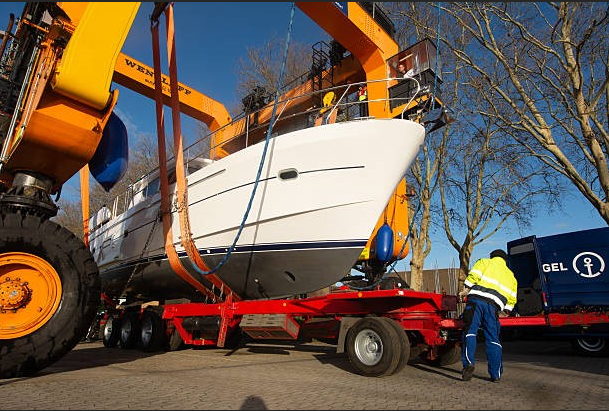
The marina may have limited access hours. A crane, travel lift, forklift, or loading crew may need to be booked. The destination may require advance notice, proof of insurance, or a reserved unloading area.
Professional transport can be especially useful when:
- A marina contract is ending
- A boat has been sold
- A repair appointment is scheduled
- Seasonal storage deadlines are approaching
- The owner is relocating
- The boat must be moved before severe weather
A transport company can communicate with marinas, repair yards, dealerships, and storage facilities to organize both ends of the move. This support is valuable when you cannot be present at pickup and delivery.
The Boat Cannot Safely Travel by Water.
Some owners consider moving a boat by water rather than by road. That may work when the vessel is operational, the route is safe, and the operator has enough experience.
However, water travel may not be practical when:
- The engine is unreliable
- Repairs are incomplete
- Weather conditions are poor
- The route requires offshore travel
- Fuel costs are high
- The destination has no direct water access
Even owners who have completed private boating lessons may prefer professional transport when the route is unfamiliar or the vessel is not fully dependable. Overland transportation can reduce engine hours and prevent exposure to rough conditions during a relocation.
Conclusion
Choosing professional transport is not an admission that you cannot handle your boat. It is a practical decision when the move requires equipment, planning, or experience beyond what you currently have available.
A dependable boat transport company can take care of the road-related challenges while you focus on preparing the vessel and its destination. The best choice is the one that leaves you confident that the boat will arrive properly supported, legally transported, and ready for its next launch. Careful planning now can make the entire transition calmer and far easier to manage.
Choose Second Wind Boating for confident guidance before your move.
FAQs
Is hiring a boat transport company cheaper than towing it yourself?
Not always, but professional transport may offer better overall value once fuel, tolls, lodging, trailer repairs, vehicle wear, permits, and time are included.
How far in advance should boat transportation be booked?
Booking two to four weeks ahead is often helpful, especially during spring launching and fall storage seasons. Oversized or long-distance moves may require more planning time.
Should personal items remain inside the boat during transport?
Most transporters recommend removing valuables, loose equipment, food, and unsecured personal items. Transport insurance may not cover belongings stored inside the vessel.
Does the boat need to be shrink-wrapped?
Not always. Some transporters discourage certain covers because loose material can damage the finish. Ask the company which protection method is suitable for the route and boat type.
Can a non-running boat be professionally transported?
Yes. Many transporters can move non-operational boats, provided the pickup and delivery locations have suitable loading equipment or access.
Who inspects the boat before and after delivery?
The owner and driver should complete a condition report together. Photos taken before loading and after unloading can help document the vessel’s condition.