
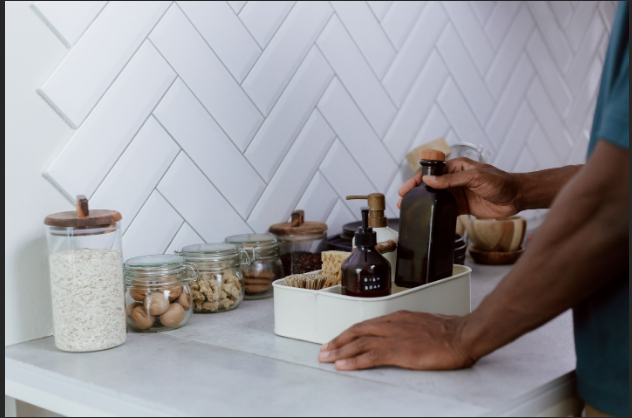
Kitchen clutter rarely starts with one big mess. It usually builds slowly in the same few areas until cooking feels more frustrating than it should. Professional organizers often see the same trouble spots again and again, from crowded countertops and overflowing utensil drawers to packed pantry cabinets, messy food storage areas, and under-sink shelves that are difficult to use.
These zones become overcrowded because they handle the most activity, yet they are often organized without considering how people actually cook and clean.
The good news is that small changes can make a noticeable difference. So, which kitchen zones cause the most problems, and why do they become cluttered so quickly?
This guide looks at the areas professional organizers focus on and what makes them easier to manage.
Key Takeaways
- Junk drawers quickly become catch-all spaces.
- Pantry organization reduces food waste.
- Vertical storage saves cabinet space.
- Clear countertops improve workflow.
- Spice collections often contain duplicates.
- Food containers should be regularly sorted.
- Under-sink storage needs dedicated organizers.
- Small organization habits prevent future clutter.
Things Professional Organizers Say About Overcrowded Kitchen Zones
-
Junk Drawers Become Catch-All Spaces
Almost every kitchen has a drawer filled with random items like batteries, pens, rubber bands, takeout menus, and loose tools. Professional organizers recommend limiting this drawer to genuine kitchen essentials and using dividers to create separate sections. Anything unrelated to cooking should be moved elsewhere. Reviewing the drawer every few months keeps it from overflowing.
-
Pantry Shelves Fill Faster Than Expected
Pantries become overcrowded because groceries are stored wherever space is available. Duplicate ingredients, expired products, and half-empty packages make finding items difficult. Professional organizers suggest grouping foods into categories such as snacks, baking supplies, canned goods, and breakfast items. Clear containers and labels improve visibility while helping reduce food waste.
-
Pots, Pans, and Lids Waste Cabinet Space
Stacking cooking tools may seem practical, but it often makes cabinets harder to use. Heavy pans hide smaller ones, while lids become difficult to find. Vertical pan racks and lid organizers keep everything accessible. Professionals also recommend removing duplicate cookware that rarely gets used to free valuable storage space.
-
Countertops Hold Too Many Appliances
Countertops often become permanent storage for premium kitchenware like blenders, mixers, coffee makers, air fryers, and decorative items. Professional organizers recommend keeping only appliances used daily on display. Everything else can be stored inside cabinets until needed. Clear countertops create more room for food preparation while making the kitchen appear larger and cleaner.
-
Spice Storage Is Often Disorganized
Many homeowners unknowingly own multiple containers of the same seasoning. Over time, spices also lose their flavor, making expired jars unnecessary clutter. Professional organizers recommend arranging spices alphabetically or by cooking category using drawer inserts or tiered racks. Keeping spices close to the cooking area also improves efficiency.
-
Food Storage Containers Easily Get Out of Control
Plastic containers and mismatched lids are one of the biggest sources of kitchen frustration. Professional organizers recommend keeping only complete sets, nesting containers by size, and storing lids vertically. Regularly recycling damaged or stained containers prevents cabinets from becoming overcrowded and makes leftovers easier to store.
-
Under-Sink Cabinets Are Often Wasted
The cabinet beneath the sink usually contains cleaning products, trash bags, sponges, and dishwasher supplies. Without organization, these items quickly become cluttered. Stackable bins, pull-out organizers, or adjustable shelves make better use of the limited space while keeping supplies grouped by purpose.
-
Refrigerators Become Cluttered Without Maintenance
An overcrowded refrigerator hides leftovers and increases food waste. Professional organizers recommend assigning zones for dairy, produce, beverages, leftovers, and condiments. Clear bins help separate categories, while a quick weekly inspection removes expired items before they create unnecessary clutter.
-
Deep Cabinets Hide Forgotten Items
Large lower cabinets often become storage spaces for baking dishes, serving platters, and small appliances that are rarely seen again. Pull-out shelves or sliding baskets make everything easier to reach. Keeping similar items together also prevents buying duplicates because forgotten items stay visible.
-
Corner Cabinets Need Better Storage Systems
Corner cabinets offer valuable storage but are difficult to access. Items stored in the back are often forgotten for years. Professional organizers recommend Lazy Susans or rotating shelves that keep cookware and pantry items easy to reach. These simple upgrades make every inch of cabinet space more useful.
Wrap Up
Professional organizers consistently find that the most overcrowded kitchen zones are junk drawers, pantries, cookware cabinets, countertops, spice storage, food container cabinets, under-sink areas, refrigerators, deep cabinets, and corner cabinets.
Decluttering these spaces and creating simple storage systems makes cooking more efficient while reducing daily frustration. Investing in smart kitchen organization tools and space-saving cooking gadgets helps maintain a cleaner, more enjoyable kitchen without requiring a costly remodel.
Frequently Asked Questions
How often should a kitchen be decluttered?
A quick monthly review and a deeper clean every three to six months help prevent clutter.
Which kitchen area gets messiest the fastest?
The junk drawer, pantry, and countertops usually become overcrowded first.
Should every appliance stay on the counter?
No. Only appliances used every day should remain on the countertop.
What’s the best way to organize a small kitchen?
Declutter regularly, group similar items together, and use vertical kitchen storage and drawer organizers.
Are kitchen organizers worth buying?
Yes, when they solve a specific storage problem and support an organized system rather than adding unnecessary clutter.