
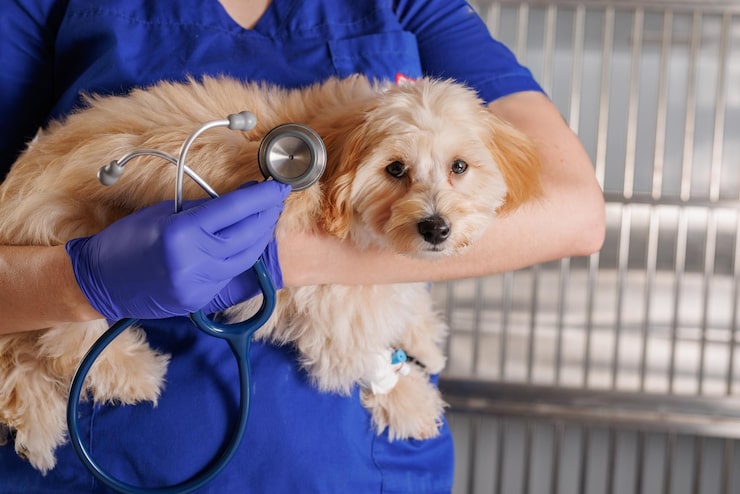
A pet’s health can change in minutes. One moment your dog is chasing a ball across the yard, and the next it’s refusing dinner. A cat that usually greets everyone at the door suddenly disappears under the bed. Small behavioral changes often leave pet owners wondering whether they are witnessing a temporary issue or the beginning of a medical emergency.
Making the wrong decision can have serious consequences. Rushing to an emergency clinic for a minor issue can be stressful and expensive, but delaying treatment for a true emergency could put a pet’s life at risk. Understanding the difference between urgent situations and conditions that can safely wait until regular clinic hours helps owners act with confidence when every minute matters.
This guide explains the warning signs that require immediate veterinary attention, situations that can typically wait until morning, and practical steps to take while deciding on the next course of action.
Conditions That Require an Urgent Care Veterinarian Immediately
If your pet experiences any of the following conditions, searching for an urgent care veterinarian near me should become your immediate priority.
Difficulty Breathing
Breathing problems should never be ignored.
Warning signs include:
- Open-mouth breathing in cats.
- Constant coughing with distress.
- Blue or pale gums.
- Heavy, labored breathing.
- Wheezing accompanied by weakness.
Respiratory distress can result from allergic reactions, heart disease, airway obstruction, trauma, or severe infections. These situations require immediate medical evaluation.
Severe Trauma or Accidents
Pets struck by vehicles, involved in falls, or attacked by other animals may suffer internal injuries even if they appear relatively normal.
Seek emergency care immediately if your pet experiences:
- Heavy bleeding.
- Broken bones.
- Deep bite wounds.
- Loss of consciousness.
- Difficulty standing after trauma.
Internal bleeding may not be visible externally but can become life-threatening within hours.
Poisoning or Toxic Exposure
Many common household products are dangerous to pets.
Potential toxins include:
- Chocolate
- Grapes and raisins
- Xylitol
- Human medications
- Antifreeze
- Rodenticides
- Certain household plants
- Cleaning chemicals
If poisoning is suspected, avoid home remedies unless instructed by a veterinarian. Contact an emergency veterinary clinic immediately.
Repeated Vomiting or Severe Diarrhea
One isolated episode of vomiting may not always indicate an emergency.
However, immediate veterinary attention is necessary when vomiting or diarrhea is accompanied by:
- Blood
- Extreme lethargy
- Persistent vomiting
- Inability to keep water down
- Signs of dehydration
- Swollen abdomen
These symptoms may indicate intestinal blockage, pancreatitis, poisoning, or severe gastrointestinal disease.
Seizures
A single short seizure may not always require hospitalization, but emergency care is recommended if:
- The seizure lasts longer than five minutes.
- Multiple seizures occur within 24 hours.
- Your pet does not regain consciousness afterward.
- The seizure follows trauma or toxin exposure.
Prolonged seizures can cause permanent neurological damage.
Difficulty Urinating
This condition is especially dangerous in male cats.
Warning signs include:
- Frequent litter box visits with little urine.
- Crying while urinating.
- Bloody urine.
- Straining repeatedly.
A urinary blockage can become fatal within a short period and requires immediate treatment.
Heatstroke
Heatstroke develops rapidly, particularly during warm weather.
Symptoms include:
- Excessive panting
- Bright red gums
- Weakness
- Collapse
- Vomiting
- Elevated body temperature
Move the pet to a cool environment while arranging emergency veterinary care immediately.
Eye Injuries
Any eye trauma should be treated as urgent.
Examples include:
- Bulging eye
- Chemical exposure
- Deep scratches
- Excessive swelling
- Sudden blindness
Vision loss can become permanent if treatment is delayed.
Conditions That Can Often Wait Until Morning
Although every pet is unique, some conditions can usually be monitored overnight before scheduling a regular veterinary appointment.
Mild Limping
If your pet:
- Continues putting weight on the limb.
- Eats normally.
- Shows no obvious swelling.
- Behaves relatively normally.
the injury may simply require rest and evaluation the following day. However, worsening pain or inability to walk warrants emergency care.
Minor Skin Irritation
Localized itching, mild redness, or small hot spots can often wait until morning unless accompanied by:
- Facial swelling
- Difficulty breathing
- Severe allergic reaction
- Extensive skin damage
Prevent your pet from excessive scratching until the appointment.
Mild Digestive Upset
A single episode of vomiting or soft stool without additional symptoms usually does not require an overnight emergency visit.
Monitor for:
- Appetite changes
- Energy level
- Water intake
- Additional vomiting
If symptoms worsen or continue, seek veterinary care promptly.
Broken Nail
Broken nails often appear dramatic because they bleed easily. If bleeding stops with gentle pressure and your pet remains comfortable, the injury can usually be evaluated during regular office hours.
Persistent bleeding or severe pain should receive urgent care.
Small Cuts or Abrasions
Superficial wounds that:
- Stop bleeding quickly.
- Remain clean.
- Are not deep.
- Show no swelling.
Deep puncture wounds or animal bites require earlier evaluation because infection develops quickly.
Warning Signs That Mean “Don’t Wait”
Some symptoms may seem subtle but deserve immediate attention. Seek emergency veterinary care if your pet shows:
- Pale, blue, or gray gums
- Collapse
- Unresponsiveness
- Continuous crying from pain
- Bloated abdomen
- Persistent bleeding
- Difficulty swallowing
- Sudden inability to stand
- Extreme weakness
- Severe allergic reactions
These signs indicate potentially life-threatening conditions requiring prompt medical intervention.
What You Should Do Before Arriving at the Clinic?
Taking the right steps during an emergency can improve your pet’s chances of recovery.
Stay Calm
Animals often mirror their owner’s emotions. Remaining calm helps reduce your pet’s stress while allowing you to think clearly.
Call Ahead
Contact the clinic before arrival whenever possible.
Providing information about:
- Your pet’s symptoms
- Breed
- Age
- Current medications
- Known toxin exposure
helps the veterinary team prepare for immediate treatment.
Transport Safely
Use a carrier for cats and small dogs. For injured larger dogs, use a blanket as a stretcher whenever possible. Avoid excessive movement if spinal injuries are suspected.
Bring Helpful Information
Carry:
- Medication lists.
- Medical records if available.
- Samples of vomit or toxins when safe.
- Photos of suspicious substances.
These details can significantly assist diagnosis.
Preventive Care Reduces Emergency Visits
Many emergency visits result from preventable health conditions.
Routine wellness exams help veterinarians detect diseases before they become critical. Vaccinations, parasite prevention, dental care, proper nutrition, and weight management all contribute to healthier pets.
Preventive surgeries also play an important role. Many owners researching spay cost focus primarily on the expense involved. However, timely spaying offers benefits that extend far beyond the initial procedure. It reduces the risk of uterine infections, lowers the likelihood of mammary tumors, eliminates unwanted pregnancies, and prevents several reproductive emergencies that could otherwise require costly emergency treatment later.
Investing in preventive healthcare often reduces both long-term medical expenses and the likelihood of life-threatening situations.
How to Decide When You’re Unsure?
Sometimes symptoms fall into a gray area.
Ask yourself:
- Is my pet breathing normally?
- Can my pet stand and walk?
- Is my pet responsive?
- Is there uncontrolled bleeding?
- Has my pet ingested something toxic?
- Is pain severe or worsening?
- Is the condition rapidly changing?
If the answer raises concern, or if your instincts tell you something is seriously wrong, it is always safer to seek professional advice. Veterinary teams would rather evaluate a pet that turns out to be stable than have an owner delay treatment for a true emergency.
Searching for an urgent care veterinarian near me or calling your nearest emergency veterinary hospital can provide immediate guidance while helping determine the appropriate next steps.
Conclusion
Every pet owner eventually faces a moment of uncertainty. The challenge isn’t simply recognizing that something is wrong, it’s knowing how quickly action is needed. Understanding the difference between conditions that can safely wait until morning and those requiring immediate veterinary attention allows you to respond with confidence rather than panic.
Breathing difficulties, poisoning, severe trauma, seizures, urinary blockages, and uncontrolled bleeding should never be delayed. Meanwhile, minor limping, small wounds, mild digestive upset, and localized skin irritation can often be monitored until your veterinarian opens the next day.
Being prepared before an emergency occurs is one of the best gifts you can give your pet. Know the location of your nearest emergency clinic, keep your veterinarian’s contact information readily available, stay current with preventive care, and remember that when serious symptoms appear, timely medical attention can save a life.