Rice is one of India’s most important food crops, supporting the livelihood of millions of farmers while serving as a staple food for a large population. Achieving a healthy paddy crop requires more than quality seeds, balanced fertilisation, and proper irrigation. One of the biggest challenges during cultivation is insect infestation, which can damage crops at different growth stages and significantly reduce both yield and grain quality.
To minimise these losses, farmers rely on agriculture insecticide solutions as part of an integrated pest management strategy. However, selecting the best insecticide for paddy requires understanding the target pest, crop stage, application timing, and responsible usage. Choosing the right product at the right time helps farmers protect their crops while improving productivity and profitability.
Why Pest Management is Important in Paddy Cultivation
Paddy crops remain vulnerable to several insect pests from the nursery stage until harvest. If pest populations are not controlled early, they can weaken plant growth, reduce photosynthesis, damage developing grains, and affect overall crop health.
Common consequences of insect infestation include:
- Reduced tillering
- Damaged leaves
- Poor grain filling
- Stunted plant growth
- Lower grain quality
- Reduced market value
- Significant yield losses
Regular crop monitoring and timely pest control are essential for maintaining healthy rice fields.
Common Insect Pests in Paddy
Different insect pests attack rice crops during different stages of growth.
Stem Borer
Stem borers damage rice plants by feeding inside the stem, interrupting nutrient movement and weakening plant development.
Early infestation often results in dead hearts, while later attacks may produce white earheads with empty grains.
Brown Planthopper
Brown planthoppers feed on plant sap, reducing plant vigour and causing hopper burn in severe infestations.
They also contribute to the spread of certain viral diseases affecting rice crops.
Leaf Folder
Leaf folders roll rice leaves and feed inside them, reducing the leaf area available for photosynthesis.
Severe infestations may affect crop growth and grain production.
Rice Hispa
Rice hispa damages leaves by scraping green tissues, reducing photosynthetic activity and weakening plant health.
Young rice plants are particularly vulnerable to heavy infestations.
Gall Midge
Gall midge larvae attack young shoots, preventing normal tiller development and affecting crop establishment.
Timely monitoring helps minimise damage.
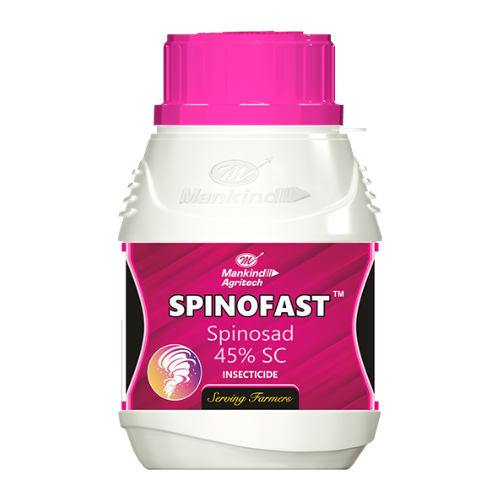
Understanding Agriculture Insecticide
An agriculture insecticide is a crop protection product used to manage harmful insects affecting agricultural crops.
These products help reduce pest populations while protecting crop growth and improving yield potential.
Modern insecticides are developed to target specific insect pests while supporting efficient pest management when applied according to recommendations.
Characteristics of the Best Insecticide for Paddy
There is no single product suitable for every pest situation.
The best insecticide for paddy should be selected based on several important factors.
Correct Pest Identification
Different insects require different control measures.
Farmers should accurately identify the pest before selecting an insecticide.
Applying the wrong product may result in poor pest control and unnecessary expenditure.
Appropriate Crop Stage
Pest management should match the crop’s growth stage.
Early intervention generally provides better protection than treating severe infestations after significant damage has occurred.
Recommended Dosage
Applying excessive quantities does not necessarily improve pest control.
Following label recommendations ensures effective performance while minimising environmental impact.
Mode of Action
Using insecticides with different modes of action helps reduce the risk of insect resistance.
Rotating products supports long-term pest management strategies.
Benefits of Timely Insecticide Application
Proper use of agriculture insecticide offers several advantages.
Protects Crop Health
Healthy plants are better able to utilise nutrients and water, supporting vigorous growth throughout the season.
Improves Grain Yield
Reducing insect damage during critical growth stages allows crops to develop normally, improving grain formation and overall productivity.
Enhances Grain Quality
Healthy crops produce cleaner, better-filled grains with improved market value.
Supports Farm Profitability
Reducing pest-related losses helps farmers maximise returns on their investment in crop production.
Best Practices for Insecticide Application
Responsible insecticide use is essential for effective pest management.
Farmers should:
- Monitor fields regularly.
- Identify pests correctly before spraying.
- Apply only recommended dosages.
- Use properly calibrated spraying equipment.
- Avoid spraying during strong winds or heavy rainfall.
- Wear appropriate personal protective equipment.
- Follow all safety instructions provided on product labels.
These practices improve pest control while promoting environmental safety.
Integrated Pest Management in Paddy
Insecticides perform best when combined with other pest management practices.
Integrated Pest Management (IPM) includes:
- Regular crop scouting
- Pest monitoring
- Use of resistant crop varieties
- Balanced fertiliser application
- Proper water management
- Field sanitation
- Biological control methods
- Judicious insecticide use
This integrated approach reduces unnecessary pesticide use while improving long-term crop health.
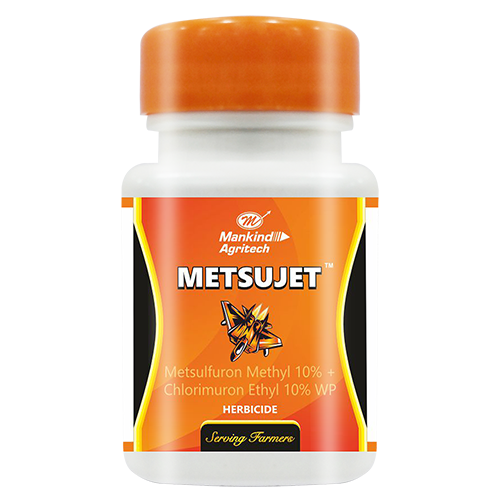
Choosing Quality Crop Protection Products
Selecting genuine agricultural inputs is just as important as choosing the right insecticide.
Farmers should purchase products from trusted suppliers and consider factors such as:
- Product authenticity
- Manufacturing details
- Recommended crops
- Target pests
- Application guidelines
- Storage recommendations
Using quality crop protection products contributes to better field performance and consistent results.
The Future of Insect Management in Agriculture
Modern farming continues to adopt precision agriculture and digital technologies to improve pest management.
Innovations such as drone spraying, smart monitoring systems, weather-based advisory services, and integrated crop management are helping farmers optimise insecticide use while reducing unnecessary applications.
As agriculture becomes increasingly technology-driven, informed decision-making and responsible pesticide use will remain essential for sustainable farming.
Conclusion
Using the right agriculture insecticide is an important step towards protecting rice crops from damaging insect pests and improving overall productivity. Selecting the best insecticide for paddy requires proper pest identification, timely application, and adherence to recommended agricultural practices. When combined with integrated pest management strategies and quality crop protection solutions, farmers can reduce crop losses while improving grain quality and profitability. Mankind Agritech Limited supports Indian agriculture by offering scientifically developed crop protection solutions that help farmers achieve healthier crops, higher yields, and more sustainable farming outcomes.