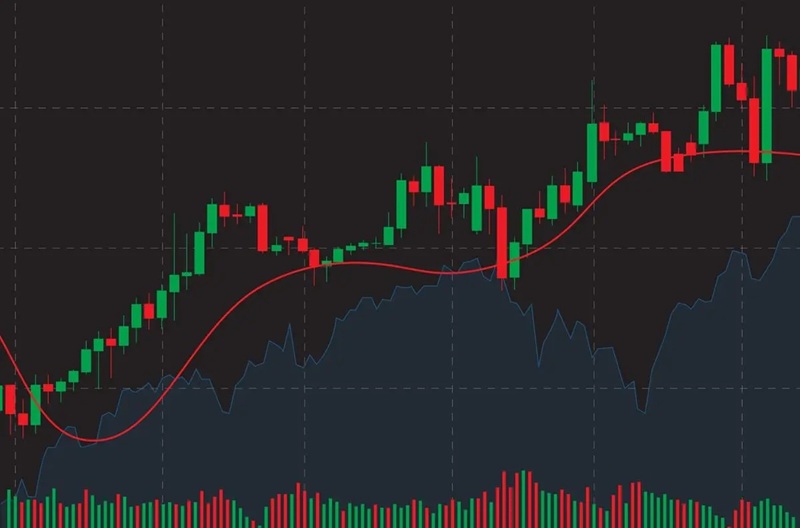
The global financial markets are closely connected, and movements in major currencies can influence investment returns across countries. One of the most discussed topics among investors is US dollar rising and how it impacts the economy, businesses, and personal investments. Since the U.S. dollar is the world’s primary reserve currency, its strength affects international trade, commodity prices, foreign investments, and currency exchange rates.
For Indian investors, a stronger U.S. dollar can create both opportunities and challenges. While some sectors may benefit from a stronger dollar, others may face increased costs and pressure on profits. Understanding these effects can help investors make better financial decisions and build a diversified investment portfolio.
What Does a Strong Dollar Mean?
A strong dollar means that the U.S. dollar appreciates against other currencies, including the Indian rupee. In simple terms, when the US dollar rising trend continues, it takes more Indian rupees to purchase one U.S. dollar.
Currency movements are influenced by several factors, including interest rates, inflation, economic growth, global trade, central bank policies, and investor confidence. When investors view the U.S. economy as relatively stronger or safer, demand for the dollar often increases, pushing its value higher.
Impact on the Indian Rupee
One of the most immediate effects of a rising dollar is pressure on the Indian rupee.
As the dollar strengthens, the rupee may depreciate relative to the U.S. currency. This means imported goods and services become more expensive for India. Higher import costs can affect businesses that rely on foreign raw materials, machinery, or technology.
For investors, currency movements can influence company earnings, sector performance, and overall market sentiment.
Export-Oriented Companies May Benefit
A stronger U.S. dollar can create favorable conditions for Indian export-oriented businesses.
Companies that earn a significant portion of their revenue in U.S. dollars receive more rupees when converting foreign earnings into Indian currency. This can improve profitability if operating costs remain largely in rupees.
Industries that may benefit include information technology, pharmaceutical exports, specialty chemicals, engineering services, and business process outsourcing. Investors often monitor these sectors during periods of US dollar rising because currency gains can support stronger financial results.
Import-Dependent Businesses Face Higher Costs
While exporters may benefit, companies dependent on imports often experience higher expenses.
Industries that import crude oil, electronic components, industrial machinery, chemicals, or other raw materials may see production costs increase when the dollar appreciates. Higher input costs can reduce profit margins if companies cannot pass those costs on to customers.
Investors should therefore evaluate how currency fluctuations affect different industries before making investment decisions.
Effect on Crude Oil Prices
India imports a large portion of its crude oil requirements, and oil is generally priced in U.S. dollars.
When the dollar strengthens, importing oil can become more expensive if the rupee weakens at the same time. Rising energy costs may increase transportation expenses, manufacturing costs, and inflation across multiple sectors of the economy.
Companies in industries heavily dependent on fuel may experience pressure on earnings during periods of sustained dollar strength.
Overseas Investments Become More Valuable
Many Indian investors are increasingly diversifying into international stocks, exchange-traded funds (ETFs), and global mutual funds.
When the US dollar rising, investments denominated in dollars may generate additional returns from favorable currency movements. Even if the value of the underlying investment remains stable, gains in the dollar relative to the rupee can increase the value of overseas holdings when converted back into Indian currency.
This currency benefit is one reason many investors include international assets as part of a diversified portfolio.
Foreign Institutional Investment Can Change
Currency movements also influence foreign investment flows.
If U.S. interest rates rise alongside a stronger dollar, some global investors may shift capital toward U.S. assets seeking higher returns and relatively lower perceived risk. This can reduce foreign investment into emerging markets, including India, at least temporarily.
Lower foreign investment may increase market volatility, especially in sectors where overseas institutional investors hold significant positions.
Impact on Inflation
A stronger dollar can contribute to higher imported inflation.
When imported goods become more expensive because of currency depreciation, businesses may eventually pass higher costs to consumers. Rising prices for fuel, electronics, industrial equipment, and imported consumer goods can contribute to broader inflationary pressures.
Inflation may influence consumer spending, corporate profitability, and monetary policy, all of which are important considerations for investors.
Interest Rate Decisions Matter
Central bank policies often respond to inflation and currency movements.
If inflation increases because imports become more expensive, policymakers may consider adjusting interest rates depending on broader economic conditions. Higher borrowing costs can affect corporate profits, consumer spending, and investment activity.
Investors should therefore monitor both currency trends and central bank decisions when evaluating market opportunities.
Which Sectors May Perform Better?
Not every industry reacts to a stronger dollar in the same way.
Technology companies with substantial overseas revenue may benefit from favorable currency conversion. Pharmaceutical exporters, specialty chemical manufacturers, and engineering firms serving international clients may also experience positive effects.
On the other hand, sectors heavily dependent on imported raw materials or foreign equipment may face profitability challenges if costs continue to rise.
Understanding sector-specific exposure helps investors make more informed portfolio decisions during periods of US dollar rising.
Diversification Becomes Even More Important
Currency fluctuations highlight the importance of maintaining a diversified investment portfolio.
Rather than concentrating investments in one sector or one country, investors may benefit from holding a mix of domestic equities, international investments, debt instruments, and other asset classes aligned with their financial goals and risk tolerance.
Diversification cannot eliminate market risk, but it can help reduce the impact of economic or currency-related events affecting a single market.
Long-Term Investors Should Avoid Reacting Emotionally
Currency markets can be highly volatile over short periods.
While headlines about the US dollar rising often attract significant attention, long-term investors should avoid making investment decisions based solely on short-term exchange rate movements.
Instead, investors should focus on company fundamentals, earnings growth, valuation, competitive advantages, and long-term economic trends. Currency fluctuations are only one of many factors that influence investment performance.
Maintaining a disciplined investment strategy is generally more effective than attempting to predict short-term movements in exchange rates.
Conclusion
The US dollar rising trend has wide-ranging effects on Indian investors, businesses, and the broader economy. A stronger dollar may benefit export-oriented companies and international investments while creating challenges for import-dependent industries through higher costs and inflationary pressures.
Understanding how currency movements affect different sectors allows investors to make better-informed decisions and build resilient portfolios. Rather than viewing a stronger dollar as entirely positive or negative, investors should evaluate its impact alongside company fundamentals, economic conditions, and long-term financial objectives.
By maintaining diversification, focusing on quality investments, and staying committed to long-term goals, Indian investors can navigate periods of currency volatility with greater confidence.