
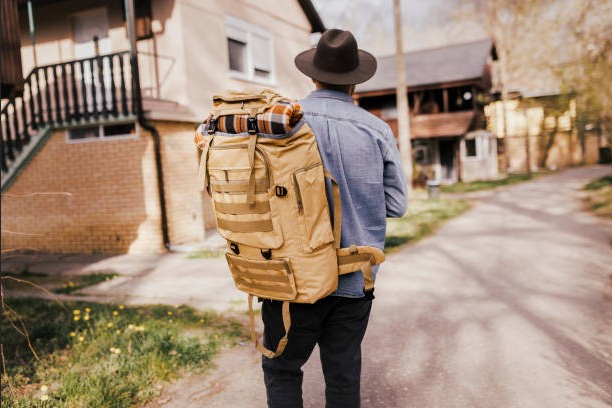
A fully packed tactical backpack may feel manageable at 15 pounds, yet the same bag can behave very differently at 25 pounds. Added weight changes how easily you steady the pack, reach a side pocket, open a zipper, or shift the bag without stopping.
It also places more demand on your shoulders, back, grip, and core. That means a heavier load can slow access while causing fatigue to build sooner. Understanding how each weight change affects both issues helps you create a setup that stays useful after you start moving.
Key Takeaways
- Extra pounds can slow retrieval while increasing physical strain.
- Poor weight balance makes access less controlled and fatigue more noticeable.
- Reducing or repositioning weight can improve speed without sacrificing useful gear.
6 Ways Tactical Backpack Weight Changes Access Speed and Carry Fatigue
A biomechanical study found that carrying a load equal to 12% of body weight alters back-muscle activation and reduces joint range of motion during walking. These changes can affect how steadily you control the bag, how quickly you reach gear, and how soon carrying begins to feel tiring. The following six impacts explain how those weight-related changes show up in real use:
-
Total Load Increase
Small additions to a tactical backpack often create the biggest problems because they do not feel significant on their own. A flashlight, power bank, spare tool, and loaded pouch may each add only a few ounces, but together they can add 2 to 4 pounds to the bag.
As the load grows, access speed drops because the pack takes more effort to lift, rotate, steady, and reopen. You may also avoid quick gear checks because handling the bag feels like extra work. At the same time, carry fatigue builds faster through your shoulders, back, and grip. Weighing the complete setup can reveal how many “small” items are quietly slowing the pack and making it more tiring to use.
-
Uneven Weight Distribution
One overloaded side pocket can make an otherwise manageable bag feel awkward. Even a 20-pound setup may tilt or twist when several pounds sit on one side rather than being evenly distributed.
The gear becomes slower because you must first correct the pack’s position or hold it steady with your free hand. That extra adjustment interrupts access and makes quick retrieval less consistent. The imbalance also increases carry fatigue by placing more pressure on one shoulder and one side of your back. Distributing similar weights on both sides helps the bag stay centered, allowing you to reach pockets with less correction while reducing the strain of carrying an uneven load.
-
Rearward Weight Placement
Dense items stored in outer compartments of a tactical backpack pull the load away from your body. A 20-pound pack positioned close to your spine usually feels easier to control than the same weight sitting near the outer edge.
That rearward pull slows access because the bag may shift while you open a zipper or reach into a pocket. You may need to lean forward, brace the load, or set it down before searching. At the same time, your shoulders and core work harder to keep you upright, increasing carry fatigue. Keep water, batteries, and compact survival tools near the center of your backpack. Better placement improves control even when the total weight stays unchanged.
-
External Pouch Weight
Several small attachments may look lightweight, but once filled, they can add 2 to 4 pounds. Their position on the outside also moves part of the load farther from your natural center of balance.
Swinging or sagging pouches can reduce access speed because you may need one hand to steady them while the other operates the zipper. More compartments can also make you pause as you remember where an item is stored. The outward pull increases carry fatigue by creating extra shoulder pressure and pack movement. Use tactical backpack accessories only when each one gives an important item a predictable location. A pouch should make access faster, not simply make the bag heavier.
-
Top-Heavy Load Shift
Placing several pounds of dense equipment near the top makes the bag less stable when you bend, turn, or climb. The pack may sway even though the total number on the scale remains the same.
That movement slows access because you must control the bag before opening a pocket or reaching inside. It can also make one-handed retrieval difficult, especially while standing. The repeated need to stabilize the load increases carry fatigue through your shoulders, neck, and core. Moving heavier items toward the middle of your back creates a steadier tactical backpack. A stable load is easier to hold in place, helping you reach gear with fewer pauses and less physical effort.
-
Buried Gear Weight
Essential equipment becomes harder to retrieve when several pounds of other supplies sit on top of it. An EDC first aid kit beneath 5 or 6 pounds of food, clothing, and tools may require partial unpacking before you can reach it.
That blocked position reduces access speed because you must lift, remove, and later replace every item sitting on top. Repeating that process also adds to carry fatigue, especially once your hands, shoulders, and back are already tired. Keep priority equipment in an outer or upper compartment, where less-weight items block access. Larger supplies can remain separate, allowing your main load to stay lighter, easier to search, and less tiring to manage.
Conclusion
The weight of your pack directly changes how quickly you can reach gear and how long you can carry it comfortably. Added pounds, uneven balance, heavy pouches, and poor placement can turn a quick reach into a slower, more tiring task.
Weigh your fully loaded tactical backpack, then test access before and after carrying it. Notice which items force you to stop, steady the bag, or unpack other gear. Removing or repositioning even 2 or 3 pounds can improve access speed, reduce carry fatigue, and make the entire setup easier to use.
FAQs
Does added backpack weight slow access?
Usually, yes. More weight can make the bag harder to steady, reposition, and open, especially after your shoulders and grip begin to tire.
Can the best survival tools increase fatigue?
Yes, when you carry too many. Even the best survival tools can increase fatigue if their combined weight pushes the pack beyond what you can manage comfortably.
Where can you compare suitable gear?
Yes, a reliable tactical equipment shop lets you compare items by size, purpose, and weight. Browse their full gear collection based on your actual needs.