
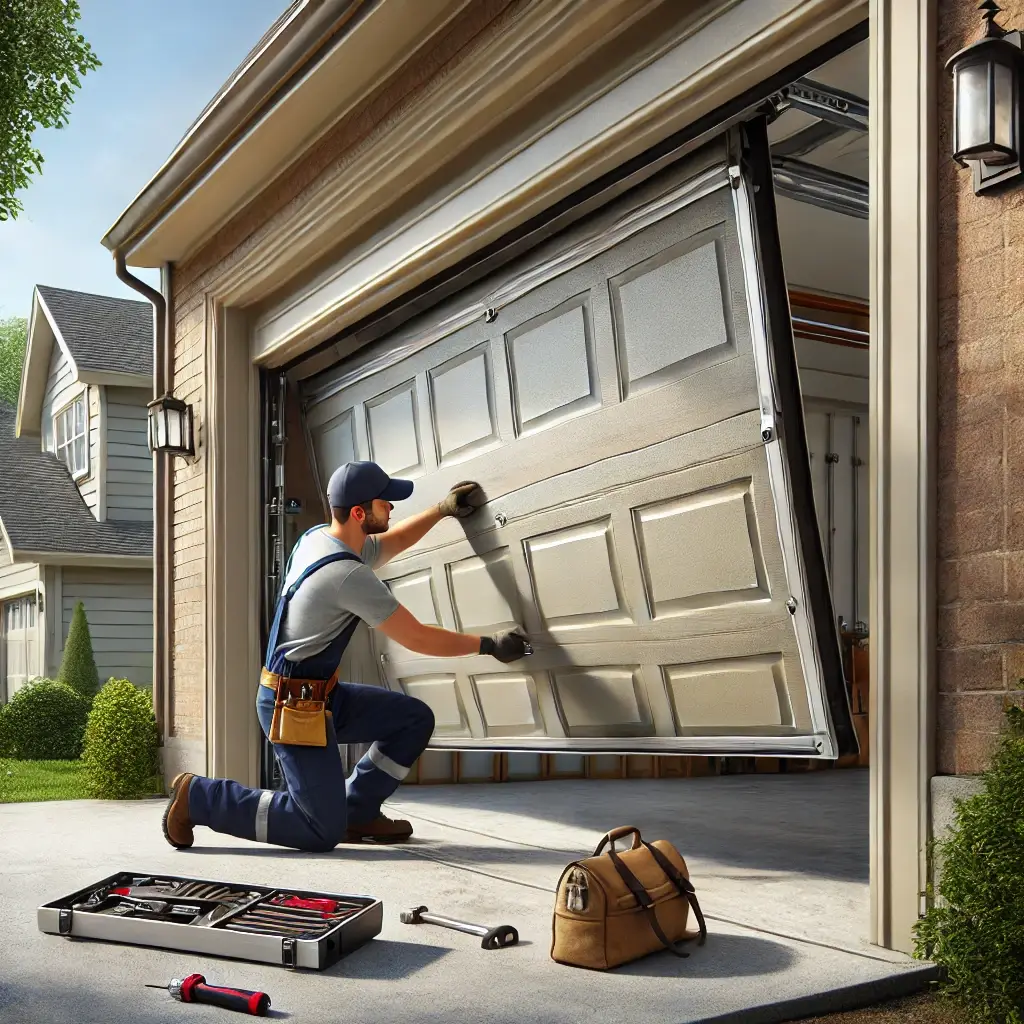
Your garage door is trying to tell you something, and most people never listen until it breaks completely. Every scrape, squeak, and shudder means something. Mechanics don’t guess when they inspect a door; they read the wear like a story written in metal and rubber. If you want to catch problems early, you need to think the same way.
What Your Garage Door Is Actually Telling You
A garage door doesn’t fail overnight. It drops hints for weeks, sometimes months, before something snaps or jams. Uneven movement, slow response, or a slight tilt when it opens are all early warnings. Catching these signs early often saves you from an emergency call for garage door repair in Tulsa, OK later on.
The Sound Test Mechanics Swear By
Sound tells you more than most people realize. A healthy door hums along smoothly, no grinding, no popping, no metal-on-metal screech. Grinding usually points to worn rollers, while popping often means a spring is losing tension. Pay attention next time your door opens, because that noise is basically a diagnosis waiting to happen.
Spring Wear vs Track Wear, How to Tell the Difference
Springs and tracks wear differently, and mixing them up leads to the wrong fix. Springs usually show gaps between coils or visible rust spots along the metal. Tracks tend to bend slightly or collect dust buildup that throws off alignment. Here’s a simple way to check both:
- Look for gaps or stretching in the spring coils
- Check if the door jerks instead of gliding
- Inspect the tracks for dents, rust, or misalignment
- Listen for a rattling sound near the rollers
Spotting these clues early can prevent a full opener repair down the line, since a struggling opener often means the mechanical parts around it are already worn.
Opener Motor Clues Most Homeowners Miss
The opener works overtime, so it usually shows stress before anything else. If the motor hums but the door barely moves, that’s a major red flag. Slow response between pressing the remote and the door actually moving also points to strain building up inside the motor. Many folks discover the real issue wasn’t the opener at all, it was months of ignored wear finally catching up.
Worn gears inside the opener sound like a soft grinding noise, almost like a old fan struggling to spin. That sound rarely goes away on its own. It usually gets louder over time until the opener stops responding altogether.
When Weather Adds to the Wear
Oklahoma weather swings hard, and that stress hits garage doors more than people expect. Summer heat expands metal parts, while sudden cold snaps make them contract just as fast. This constant back and forth speeds up wear on hinges, springs, and rollers. That’s part of the reason garage door repair in Tulsa stays a common search all year long, not just during storm season.
Humidity plays a role too. Moisture creeps into hinges and springs, causing rust to form faster than most people realize. A little surface rust might look harmless, but it weakens metal from the inside out.
Reading the Rust and Rubber
Rust and rubber tell two very different stories. Rust usually signals age or moisture exposure, especially near hinges and the bottom seal. Rubber wear, on the other hand, points to daily friction and movement. Cracked or flattened rubber seals often mean the door has been working harder than it should for longer than it should.
A quick visual check every few months goes a long way. Look at the bottom seal, the hinges, and any exposed metal edges. Small cracks or flaking rust are easy fixes now but expensive headaches later.
Why DIY Fixes Only Go So Far
Tightening a bolt or oiling a hinge helps, sure. But once springs lose tension or tracks bend out of shape, guesswork becomes risky. Garage doors carry serious tension, and an untrained attempt at fixing springs can actually cause injury. That’s the point where calling garage door repair technicians in Tulsa, OK makes far more sense than trial and error.
A trained technician doesn’t just fix what’s broken, either. They check rollers, cables, sensors, and alignment all at once, since one worn part often stresses another. That kind of full inspection is something most homeowners simply can’t replicate on their own.
Small Signs Matter More Than You Think
Ignoring small wear signs almost always leads to bigger repair bills down the road. A door that drags slightly today might jam completely next month, leaving you stuck outside in the middle of a rush.
Worn rollers stress the tracks, stressed tracks throw off the opener, and suddenly a small fix turns into an expensive replacement job. Most homeowners don’t realize how connected these parts are until one piece drags the rest down with it. Reading these patterns early keeps both your wallet and your garage safer for the long run.
Here’s what usually gets overlooked until it’s too late:
- A door that closes unevenly on one side
- Vibration you can feel through the wall switch
- A opener that clicks twice before finally responding
- Dust buildup collecting faster near one track than the other
None of these seem urgent alone, but together they tell a bigger story. Catching them now, instead of waiting for a full breakdown, means a technician handling garage door opener repair in Tulsa can fix things faster and for far less money.
Catch It Early, Save Yourself the Headache
Your garage door has been talking this whole time- sounds, smells, sights, all pointing toward what needs attention. Now that you know how to read those signs, you’re already ahead of most homeowners. Trust what you’re noticing, act on it early, and your garage door will keep running smoothly for years to come.