
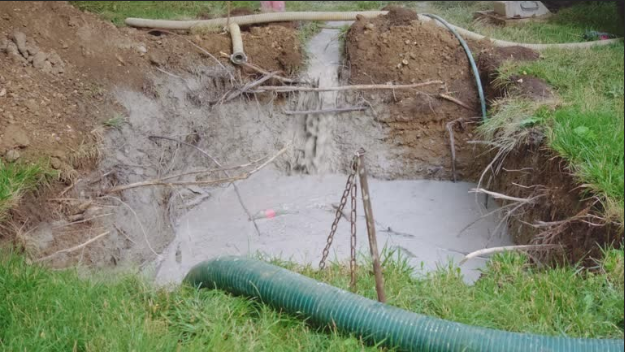
A high-water table or limited lot space can make septic planning much more complicated than simply choosing a tank and drain field. These conditions affect where wastewater can safely go, how much soil is available for treatment, and whether a conventional system will work at all.
That is where septic system engineering becomes important. Engineers evaluate soil depth, groundwater levels, property boundaries, setbacks, slope, and available space to design a system that fits the site and local requirements. This article explains how engineered solutions can make difficult properties workable and what homeowners should expect during the design process.
Key Takeaways
- High groundwater can reduce the usable soil depth needed for septic treatment.
- Seasonal groundwater conditions may not be obvious during dry periods.
- Small lots can lose usable septic space because of setbacks and permanent structures.
- Detailed mapping and careful component placement can help maximize limited property space.
- Site-specific engineering can provide practical options when conventional septic layouts are unsuitable.
Why High Water Tables Create Septic System Problems
Wastewater Needs Adequate Unsaturated Soil
Wastewater from a septic tank must pass through unsaturated soil before reaching groundwater. During this process, soil particles and microorganisms help reduce contaminants.
If the available layer is too shallow, a standard installation may not provide the treatment conditions required by local codes. Septic system engineering evaluates groundwater position and usable soil depth before the disposal area is designed.
Seasonal Groundwater Can Be Easy to Miss
Groundwater levels can change throughout the year. A property that looks dry during warmer months may become saturated after prolonged rainfall or snowmelt.
Soil mottling, test pits, monitoring records, and required field evaluations can reveal these seasonal changes. A septic inspection may also identify warning signs in an existing system that indicate drainage or saturation issues.
Conventional Drain Fields May Not Be Suitable
Traditional drain fields require enough vertical space for trenches and surrounding soil. When groundwater occupies part of that space, the proposed layout may need a different elevation, location, or approved system type.
How Septic System Engineering Addresses a High-Water Table
Raising the Drain Field
A raised treatment area can provide additional vertical clearance above restrictive groundwater conditions. Mound systems and raised beds use approved fill or engineered media to create a treatment zone above the original ground surface.
Using Pressure Distribution
Pressure distribution sends measured amounts of effluent through a network of pipes and outlets. Controlled dosing regulates the rate at which wastewater enters the designated disposal area, rather than relying solely on gravity flow.
Adding Treatment Before Soil Dispersal
Some properties require wastewater to receive additional treatment before final disposal. Aerobic treatment units and similar technologies may be specified when local standards require improved effluent quality.
Managing Elevation Carefully
Septic system engineering uses elevation calculations to establish the correct relationship between tanks, pumps, pipes, and discharge points. These measurements support consistent wastewater movement through the system while keeping components at the required levels.
Why Small Lots Make Septic Design More Difficult
A property’s total size does not necessarily show how much land is actually available for septic use. Setback rules and permanent features can divide a lot into sections that cannot be used for installation.
Common restrictions include:
- House foundations
- Garages
- Driveways
- Property lines
- Wells
- Pools
- Utility easements
- Streams or wetlands
Some jurisdictions also require a separate reserve area for future system replacement. Septic system planning helps account for these limitations before development begins. Residential septic services can also help property owners identify conflicts between proposed improvements and the remaining usable land.
How Septic System Engineering Solves Small Lot Challenges
Precise Site Mapping
Detailed mapping establishes exact boundaries, setbacks, elevations, and legal installation zones. This gives designers a reliable picture of where components can fit without relying on rough measurements or assumptions.
Compact Distribution Layouts
On constrained properties, designers may use approved layouts that arrange laterals and distribution components more efficiently. The goal is to meet the required capacity while avoiding unnecessary use of the remaining buildable area.
Strategic Component Placement
Septic system engineering considers maintenance access when positioning tanks, pump chambers, and piping. Placing serviceable components where technicians can reach them easily can reduce future access problems on tight properties.
Protecting the Reserve Area
Where a replacement area is required, the design must keep that portion of the property free from construction and other uses that could make it unsuitable later. Clearly identifying this zone during design helps preserve a future option if the original drain field eventually needs replacement.
Coordinating With Planned Construction
Home additions, garages, patios, pools, and accessory buildings should be reviewed before the septic layout is finalized. Coordinating these projects early can prevent a proposed structure from blocking piping routes, maintenance access, or another required system component.
Accounting for Irregular Lot Shapes
Narrow frontage, unusual property lines, slopes, or oddly shaped parcels can make standard layouts impractical. Septic system engineering can adjust component orientation and routing so that the design responds to the property’s actual geometry.
For existing systems, tank inspection services can provide useful information about tank location, condition, and access before redesign or replacement work begins. septic system engineering then uses the verified site information to prepare the technical layout and documentation required for the proposed work.
Conclusion
A difficult septic site can still become a workable project when the design is based on accurate field data and practical engineering decisions. Septic system engineering helps turn site limitations into a clear technical plan that supports installation, maintenance, and regulatory approval.
Instead of relying on a standard layout, the process accounts for the specific conditions that affect each property. This can reduce design conflicts, improve long-term system performance, and give property owners more confidence before construction begins.
A carefully engineered septic solution can also help avoid costly changes later by addressing potential issues early and creating a system that fits the property from the start.
Get professional septic solutions for challenging properties at Septic Science today.
FAQs
Can a septic system be installed with a high water table?
Yes, installation may still be possible, depending on soil conditions, groundwater depth, available space, and local regulations. An engineered or alternative system may be required.
How is a seasonal high water table identified?
Site professionals may use soil indicators, test pits, groundwater observations, monitoring records, and locally approved testing methods to identify seasonal groundwater levels.
Why are small lots harder to install septic systems on?
Small lots often have less usable land after required setbacks from buildings, wells, property lines, utilities, waterways, and other restricted areas are considered.
Can a conventional drain field work on a difficult property?
It depends on the site’s groundwater level, soil characteristics, required treatment depth, and available installation area. Some properties require a different system configuration.
Do septic requirements vary by location?
Yes. Septic design, system types, setbacks, testing requirements, and permitting standards can differ between states, counties, municipalities, and local health authorities.