

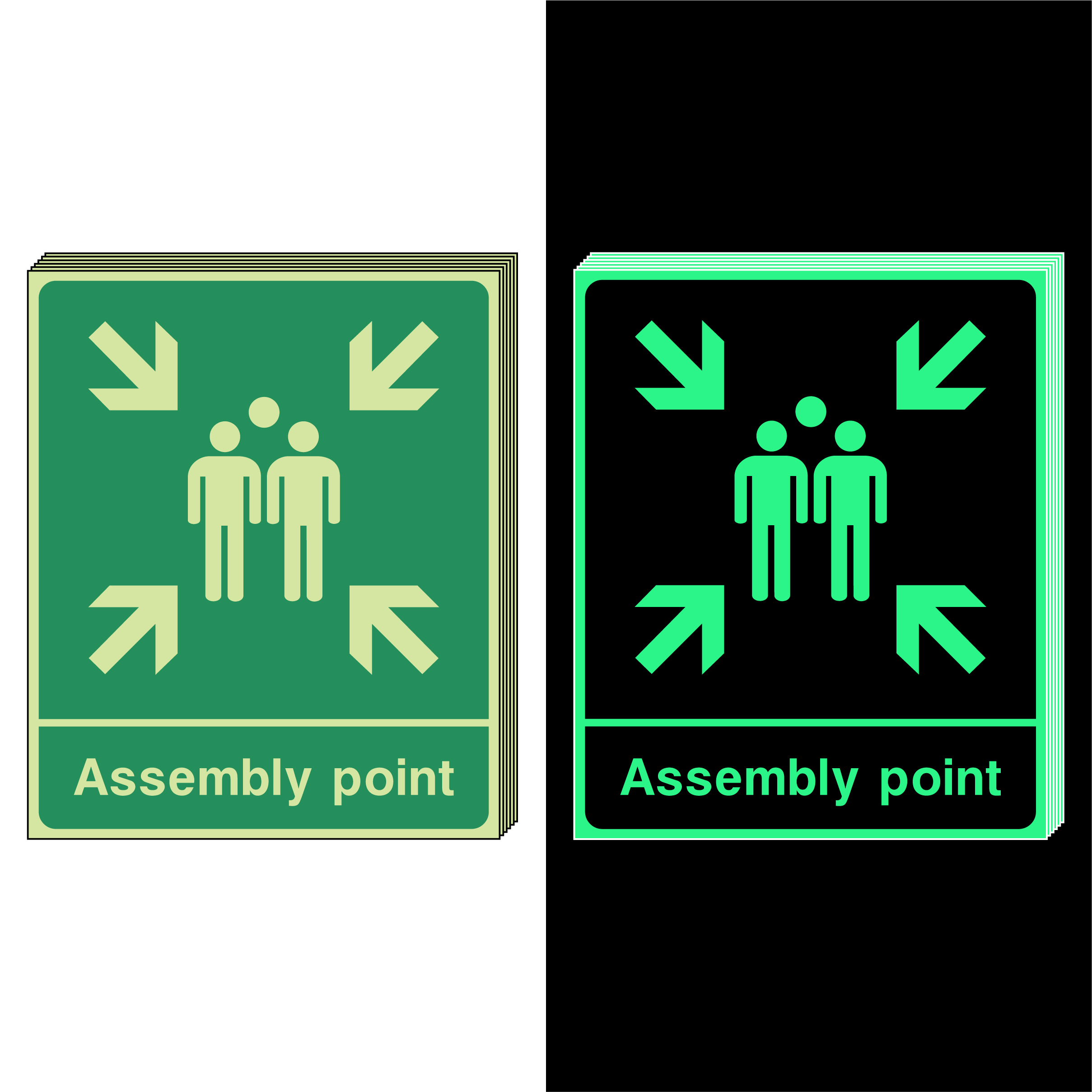
Safety inside busy buildings relies heavily on clear direction, especially when lighting fails without warning. In schools and workplaces, sudden darkness can lead to hesitation and confusion, making it harder for people to move calmly. Visual guidance plays an important role in keeping everyone steady during moments like these. Glow-based signage has become a dependable way to provide gentle direction, helping people reach the right route without panic. Its simplicity, steady visibility and reliability make it a preferred option across many environments.
What Makes Photoluminescent Signs Different?
These signs work by storing light from natural or artificial sources throughout the day, then emitting a clear glow when darkness falls. This makes photoluminescent signs highly reliable during power failures or in areas where lighting becomes inconsistent.
Key Characteristics
- No electricity required – they glow independently without wiring.
- Consistent visibility – the glow lasts for hours once charged.
- Durable materials – withstand temperature changes, dust and frequent handling.
- Reliable in emergencies – remain visible even during complete power loss.
These characteristics make them an effective companion to traditional visual communication tools inside busy buildings.
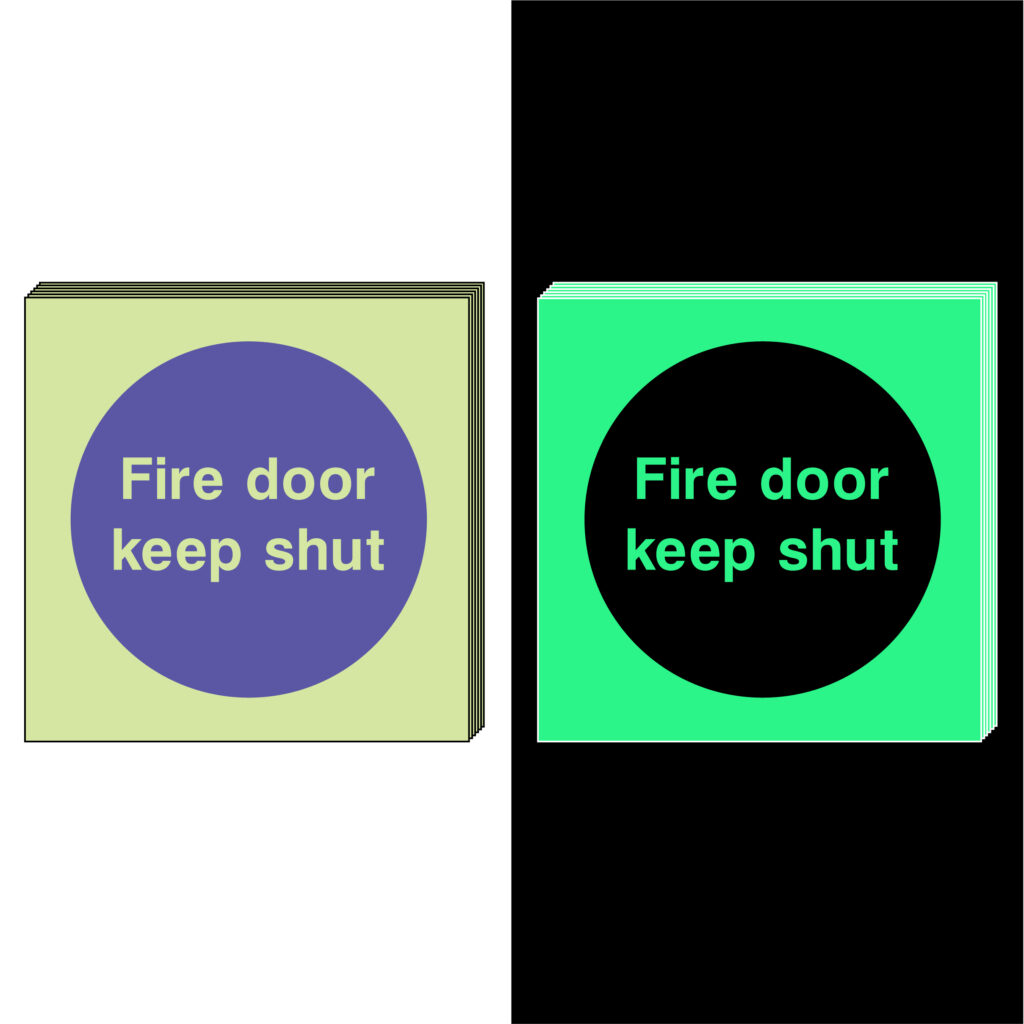
Safety Benefits in Schools
Clear Guidance During Power Cuts
Schools are dynamic places with a mix of ages, learning styles and movement patterns. When lights go out, corridors and staircases can feel overwhelming. Glow signage ensures key points remain visible, keeping the flow of movement steady and reducing unnecessary stress.
How it helps:
- Reduces panic during unexpected darkness
- Keeps pupils and staff moving in an orderly direction
- Provides instant guidance without relying on electrical lighting
Enhanced Fire Safety Preparedness
When a school needs to evacuate, clarity and speed matter. Buildings are often large, with multiple wings, levels and outdoor routes. During these moments, both photoluminescent signs and fire safety signs help ensure essential points remain easy to find.
Commonly marked areas include:
- Exit doors
- Stair edges
- External pathways
- Equipment zones
- Assembly points
Their stable glow supports structured movement during both drills and real emergencies, making evacuation smoother.
Support for Younger Students
Younger pupils often depend on clear, simple cues. Glow markings provide reassurance and remove guesswork, helping them follow routes confidently even when sudden changes occur.
Why it works well for children:
- The glow is gentle and non-alarming
- Visual prompts are easier for them to follow than verbal instructions
- It keeps groups organised and calm during transitions
Safety Benefits in Workplaces
Compliance With Emergency Requirements
Companies must keep staff and visitors safe at all times. Emergency plans highlight the importance of visible exits, routes and equipment. Glow signage supports these goals by providing dependable visibility when electrical lighting fails. When used alongside fire safety signs, the overall emergency layout becomes clearer and remains consistent during low-light conditions.
Benefits for businesses:
- Supports structured evacuation
- Helps facilities meet safety expectations
- Reduces navigation challenges in unfamiliar areas
Improved Night-Shift and Low-Light Safety
Workplaces such as warehouses, manufacturing units and storage facilities often have sections with limited natural light. People working in these areas rely on visual cues to move safely.
Photoluminescent signs provide steady visibility without drawing power, making them ideal for:
- Maintenance corridors
- Service rooms
- Basement levels
- High-storage aisles
- Machinery zones
Their glow assists workers in performing tasks without feeling unsure of their surroundings.
Reduced Operational Disruption
Unexpected lighting failures can interrupt workflow and create confusion. Glow signage keeps essential direction visible, allowing staff to navigate calmly while main systems recover.
How this reduces disruption:
- Minimises downtime during power interruptions
- Prevents congestion in busy areas
- Reduces stress for employees unfamiliar with alternate routes
Where Photoluminescent Signs Are Most Useful
Positioning matters when installing these signs. They should sit where they guide movement, highlight risks or provide essential information.
Common Placement Areas
| Location | Benefit |
| Corridors | Keeps traffic flowing steadily in darkness |
| Stairwells | Highlights steps to prevent trips and hesitation |
| Exit paths | Marks the quickest route outdoors |
| Assembly zones | Makes safe gathering points easier to find |
| Equipment stations | Supports the visibility of fire safety signs |
| Hazard-level areas | Draws attention to surfaces or machinery requiring caution |
This structured placement ensures both everyday navigation and emergency movement remain safe and predictable.
Advantages Over Traditional Signs
Energy-Free Operation
Glow signage works without electrical input, giving buildings an uninterrupted visual guide during failures. This makes them cost-effective and dependable across all building types.
Long-Lasting Glow
Modern materials can retain brightness for extended durations, giving building users ample visibility throughout an outage. This reliability ensures people feel confident even when systems take time to restore.
Low Maintenance
With no bulbs, wiring or circuits, upkeep is minimal. Occasional cleaning and inspection are all that’s needed to keep them functioning well. This reduces long-term maintenance budgets for schools and large workplaces.
Eco-Friendly Option
These signs have a long lifespan and do not require additional energy after installation. Their simple composition creates less waste and reduces the need for frequent replacements, making them an environmentally thoughtful choice for facilities looking to improve sustainability.
Choosing the Right Photoluminescent Signs
Material Selection
The chosen material should handle the building’s specific conditions. In busy corridors, durable scratch-resistant surfaces help maintain clarity. In industrial areas, moisture-resistant options work best.
Brightness Levels
Different areas require different glow intensities. Path edges and stair treads benefit from stronger light, whereas wall-mounted direction indicators may only need moderate illumination.
Compliance Details
Clear markings and standards help facilities teams ensure they’re meeting safety expectations. This becomes even more important when these signs are positioned near essential visual tools such as fire safety signs, allowing staff and visitors to identify critical points quickly and confidently.
Installation Best Practices
Visibility should always guide placement decisions. Signs should be positioned so people see them easily during movement.
Good installation practice includes:
- Placing directional signs at eye level
- Marking steps at foot level
- Ensuring glow surfaces receive enough light during the day
- Choosing angles visible from long distances
Proper installation improves both everyday usability and emergency efficiency.
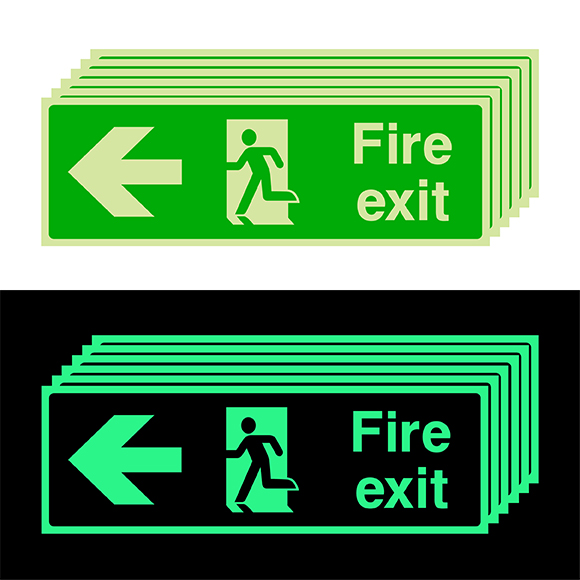
Conclusion
Glow-based signage provides a dependable layer of direction in busy buildings where clarity matters most. Schools and workplaces both benefit from reliable visibility during unexpected lighting failures, and calm movement becomes easier to maintain when people can follow steady visual cues. Their simple design, durability and low-maintenance structure make them a strong long-term safety choice. For high-quality options that support safer pathways and reliable emergency planning, Foamex Printing Company offers signage solutions designed to guide people confidently every day.