

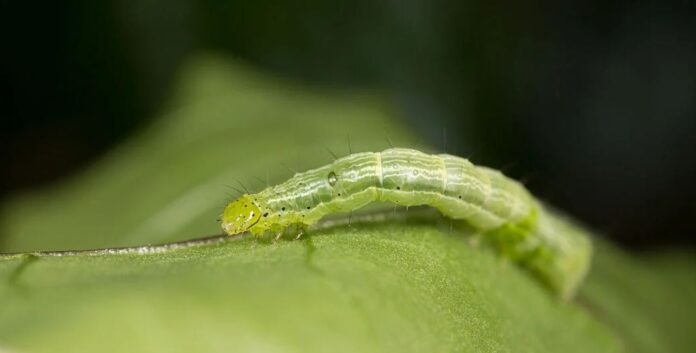
Are you tired of watching grubs destroy your lush lawn? Beneficial nematodes for grubs offer a smart, natural way to fight back. These tiny warriors live in the soil and target pests without harming your grass or the environment. In this guide, you’ll find everything you need to know about using them effectively.
What Are Beneficial Nematodes?
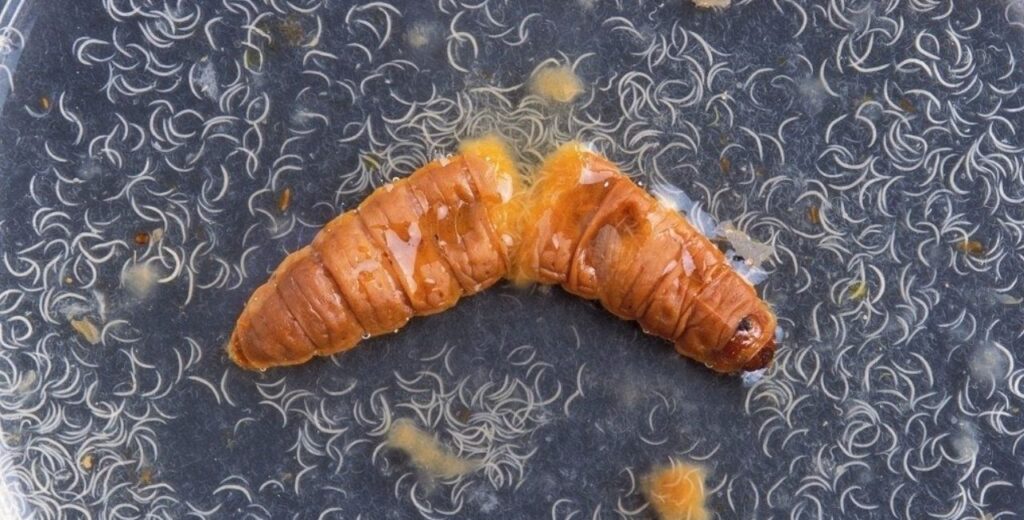
Beneficial nematodes are small, worm-like creatures that occur naturally in soil around the world. They measure less than a millimeter long, making them invisible to the naked eye. Unlike harmful nematodes that attack plants, these good ones focus on insects. Scientists call them entomopathogenic nematodes because they infect and kill bugs.
Experts have studied these organisms for decades. They partner with special bacteria to take down pests. When a nematode finds a grub, it enters the body and releases the bacteria. This duo works fast to stop the pest in its tracks.
You might wonder why they matter for your yard. Grubs, the larvae of beetles like Japanese beetles or European chafers, chew on grass roots. This leads to brown patches and weak turf. Beneficial nematodes for grubs step in as a biological control, reducing the need for chemicals.
Research shows thousands of nematode strains exist. Only a few target grubs well. Sources like university extensions highlight their role in integrated pest management (IPM). IPM combines natural methods to keep pests low without over-relying on sprays.
These nematodes thrive in moist soil. They move through water films between soil particles. Dry conditions slow them down, so keeping your lawn watered helps. They don’t harm earthworms, bees, or other helpful critters. This selectivity makes them a top choice for eco-friendly gardeners.
How Beneficial Nematodes Work Against Grubs
Beneficial nematodes for grubs hunt like tiny assassins. They sense heat and carbon dioxide from their prey. Once close, they slip into the grub through its mouth, anus, or breathing holes called spiracles.
Inside the grub, the nematode releases symbiotic bacteria, often from the Photorhabdus group. These bacteria multiply quickly and produce toxins. The grub dies within 48 hours from septicemia, a blood infection. The nematodes then feed on the bacteria and broken-down grub tissues.
One nematode can produce hundreds of offspring inside a single host. These new ones burst out to find more grubs. This cycle continues as long as pests remain. Infected grubs often turn reddish or brown, a sign of success you can spot when digging.
Field tests prove this process effective. For example, studies show up to 96% kill rates on Japanese beetle grubs. The bacteria ensure quick death, preventing the grub from causing more damage.
Nematodes come in different foraging styles. Some “cruise” through soil seeking prey, while others “ambush” near the surface. Cruiser types excel against deep-feeding grubs.
This natural partnership evolved over millions of years. It mimics how ecosystems balance themselves. By using beneficial nematodes for grubs, you tap into nature’s pest control system.
Types of Beneficial Nematodes for Grubs
Several species stand out for grub control. Each has unique traits suited to different pests and conditions.
- Heterorhabditis bacteriophora (Hb): This cruiser nematode burrows deep into soil. It has a small “tooth” to penetrate tough grub skins. Hb works best against Japanese beetle grubs and European chafers. Infected hosts turn reddish, making checks easy.
- Steinernema glaseri: Another cruiser, it targets white grubs effectively. It moves far in search of prey, ideal for larger areas.
- Steinernema carpocapsae (Sc): An ambusher, it waits near the soil surface. It’s less ideal for deep grubs but helps with surface pests like billbugs.
- Steinernema feltiae (Sf): Good for cooler soils, it controls a range of pests including some grubs.
- Heterorhabditis indica: Suited for warmer climates, it attacks various soil insects.
Choose based on your local grubs and weather. For most northern lawns, Hb shines. Suppliers often sell mixes for broad coverage.
These species are mass-produced on host insects or artificial media. They arrive as infective juveniles, the stage ready to hunt. Always buy from trusted sources to ensure viability.
Benefits of Using Beneficial Nematodes for Grubs
Why pick beneficial nematodes for grubs over chemicals? Here are key advantages:
- Eco-Friendly: They target only pests, sparing beneficial insects, birds, and mammals. No runoff harms waterways.
- Long-Lasting: Once established, they persist in soil, providing ongoing protection.
- Safe for Families: No toxic residues mean kids and pets can play soon after application.
- Organic Approved: Many are OMRI-listed, fitting organic gardens.
- Cost-Effective: One treatment covers large areas, often cheaper than repeated sprays.
- Reduces Resistance: Pests can’t build immunity to biological controls like they do to chemicals.
Stats back these perks. A University of California study notes nematodes reduce grub populations by 50-90% in turf. Homeowners report healthier lawns with fewer brown spots.
They also boost soil health. As grubs decompose, they release nutrients. This natural fertilizer supports grass growth.
In commercial settings, like golf courses, nematodes cut maintenance costs. They integrate well with other IPM tactics, like aeration or resistant grass varieties.
When to Apply Beneficial Nematodes for Grubs
Timing matters for success. Apply when grubs are active and vulnerable.
Grubs go through stages: eggs, first instar (small), second/third instar (larger), pupae, adults. Target second or third instars, when they’re feeding heavily but before they burrow deep for winter.
In most regions, that’s mid to late summer—July to September. For Japanese beetles, aim for August when young grubs hatch.
Soil temperature should exceed 60°F (15°C). Below that, nematodes slow down. Check your local weather; apply during mild periods.
Evening or cloudy days work best. Sunlight and heat kill nematodes quickly. Rainy weather helps, as moisture aids movement.
Monitor your lawn first. Dig small squares to count grubs. If you find 10 or more per square foot, treatment is needed.
Reapply every 1-2 weeks if infestation is heavy. Fall applications protect against overwintering grubs, while spring ones catch emerging ones.
Local extensions provide region-specific timing. For example, in Maine, late August is prime for chafer grubs.
Step-by-Step Guide to Applying Beneficial Nematodes
Follow these steps for best results. Bold key actions to make it simple.
- Prepare Your Lawn: Mow grass short. Water deeply if soil is dry—aim for 0.5 inches. This moistens the top 2-4 inches where grubs live.
- Choose and Buy Nematodes: Select Hb or a grub mix. Order fresh from reputable suppliers. Expect 1 million nematodes per 2,000 square feet.
- Store Properly: Keep refrigerated at 35-45°F until use. Don’t freeze. Use within 2-3 weeks.
- Mix the Solution: Use cool, chlorine-free water. Avoid tap water if chlorinated—let it sit overnight. Stir nematodes into 4+ gallons for even distribution.
- Apply Evenly: Use a sprayer with large nozzles (0.02 inches min). Remove screens to prevent clogs. Spray in evening, covering the area uniformly. Walk slowly for full coverage.
- Water After: Rinse with 0.25 inches of water to wash nematodes into soil. Keep moist for 2 weeks—irrigate every few days if no rain.
- Monitor Results: After 1-2 weeks, dig to check for dead, discolored grubs. Reapply if needed.
Tips: Avoid fertilizers or pesticides for 2 weeks before/after. Aerate soil for better penetration. For large lawns, use a hose-end sprayer.
Common mistakes? Applying in hot sun or dry soil reduces effectiveness. Always agitate the mix to keep nematodes suspended.
Effectiveness and Success Rates
Beneficial nematodes for grubs deliver strong results when used right. Studies from sources like the University of California IPM program show 70-96% control on Japanese beetle grubs.
Factors boosting success:
- Proper species match: Hb outperforms others for white grubs.
- Moisture levels: Wet soil increases nematode movement by 50%.
- Grub stage: Later instars have larger entry points.
In Maine trials, nematodes cut grub numbers by 80% in treated plots. Home tests echo this, with users seeing fewer beetles the next year.
Compare to chemicals: Nematodes avoid resistance issues. A 5-year study found consistent control without buildup.
Limitations? Cool soils or dry conditions lower rates. Heavy clay soils may need more nematodes. Combine with cultural practices like overseeding for 90%+ success.
Track your own: Count grubs pre- and post-treatment. Expect visible improvement in 2-4 weeks.
Safety and Environmental Impact
Rest easy—beneficial nematodes for grubs are safe. They don’t affect humans, pets, or wildlife. No known allergies or toxicities.
They spare non-targets like earthworms, which aerate soil. Bees and butterflies remain unharmed since nematodes stay underground.
Environmentally, they promote biodiversity. By reducing chemical use, you protect waterways from runoff. Organic certification confirms their green status.
The Maine Department of Agriculture PDF guide stresses no harm to plants or beneficial insects.
Handle with care: Wear gloves during mixing. Wash hands after. Store away from food.
In rare cases, over-application wastes product but causes no damage. They’re a reassuring choice for family yards.
Where to Buy Beneficial Nematodes
Find quality nematodes from reliable sellers. Look for fresh, viable stock.
Online options include Arbico Organics, offering mixes like NemAttack and NemaSeek starting at $36.
Garden centers or nurseries often carry them seasonally. Check labels for species and count—aim for 1-5 million per 1,000 sq ft depending on infestation.
Prices range $40-100 for home use. Bulk saves for big lawns.
Verify supplier reputation: Read reviews, check for guarantees. University extensions list approved vendors.
Store picks: Refrigerated shipping ensures arrival alive. Test a small batch if unsure.
Comparing Beneficial Nematodes to Other Grub Controls
How do nematodes stack up?
- Chemicals: Fast but risky. Imidacloprid kills grubs but harms bees. Nematodes are safer, though slower.
- Milky Spore: Targets Japanese beetles only. Takes years to establish. Nematodes work broader and faster.
- Traps: Catch adults but miss grubs. Use with nematodes for full control.
- Cultural Methods: Aeration and deep watering help but don’t kill pests. Pair with nematodes.
A combo approach wins. Use nematodes as the core, add traps for adults.
Stats: IPM with nematodes reduces chemical use by 75% in studies.
Case Studies and Real-World Examples
Homeowners rave about results. In a New England yard, one user applied Hb nematodes in August. Grub count dropped from 15 to 2 per sq ft. Lawn greened up by fall.
Golf courses in California use them yearly. A report showed 85% grub reduction, saving on repairs.
Farmers in the Midwest integrate nematodes into crop rotation. Fewer grubs mean healthier turf borders.
A Maine study treated lawns with European chafers. 90% control after two applications.
These stories show reliability. Your success depends on following steps.
Tips for Maximizing Nematode Success
Boost outcomes with these:
- Test Soil pH: Nematodes prefer 6-7. Adjust if needed.
- Avoid Antagonists: Skip fungicides; they kill symbiotic bacteria.
- Combine with Companions: Plant nematode-friendly flowers like marigolds.
- Record Data: Note application dates and results for future tweaks.
- Scale for Size: Double dose for severe cases.
Reassuringly, even beginners succeed with patience.
Common Myths About Beneficial Nematodes
Myth 1: They harm plants. Fact: They ignore roots.
Myth 2: Expensive. Fact: Cost per sq ft beats chemicals long-term.
Myth 3: Hard to apply. Fact: Simple as watering.
Myth 4: Only for pros. Fact: DIY-friendly.
Myth 5: Short-lived. Fact: Persist seasons in good conditions.
Busting these builds confidence.
Integrating Nematodes into Your Lawn Care Routine
Make them routine. Scout yearly for grubs. Apply preventively in high-risk areas.
Pair with mowing high (3 inches) to shade soil, deterring egg-laying.
Fertilize organically to support grass vigor.
In fall, rake leaves to expose soil.
This holistic plan keeps lawns thriving.
Potential Challenges and Solutions
Challenge: Dry weather. Solution: Irrigate regularly.
Challenge: Poor storage. Solution: Refrigerate promptly.
Challenge: Uneven application. Solution: Use marked grids.
Challenge: Low effectiveness. Solution: Check species match.
Challenge: Cost for large areas. Solution: Buy bulk or share.
These fixes ensure smooth use.
Advanced Topics: Nematode Biology and Research
Dive deeper: Nematodes have a life cycle of egg, four juvenile stages, adult.
Infective juveniles (IJs) are the applied form—dauer stage, resistant to stress.
Research evolves. New strains target specific pests better.
Genetic studies improve mass production.
Climate change impacts: Warmer soils may extend application windows.
Stay updated via extensions.
FAQs About Beneficial Nematodes for Grubs
What are beneficial nematodes for grubs? They are natural parasites that kill grub larvae in soil.
How long do they take to work? Grubs die in 2-5 days; full control in 2-4 weeks.
Can I use them with other treatments? Yes, but avoid chemicals that harm them.
Are they pet-safe? Absolutely, no risks.
How often to apply? Once or twice per season, as needed.
Do they work in cold climates? Yes, if soil is over 60°F.
Conclusion
In summary, beneficial nematodes for grubs provide a powerful, natural solution to protect your lawn. They work by infecting and eliminating pests safely, with high success rates backed by studies. From choosing the right species like Hb to applying in moist evening conditions, these steps ensure victory over grubs. Embrace this eco-friendly method for a healthier yard.
What grub problems have you faced, and how might beneficial nematodes for grubs help you?
References
- Arbico Organics Beneficial Nematodes Category – Detailed product info and application guides for homeowners seeking organic options.
- University of California IPM on Beneficial Nematodes – Scientific application tips and species details for gardeners and turf managers.
- Maine Department of Agriculture Nematodes for Grub Control PDF – Comprehensive safety and effectiveness data aimed at residents in grub-prone areas.