

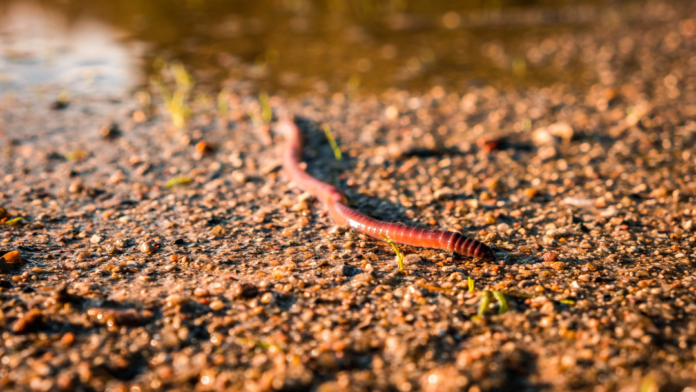
Earthworms play an essential role in improving soil health and promoting a thriving garden. These fascinating creatures, particularly Red Wigglers and European Nightcrawlers, offer various benefits that make them indispensable for gardeners. By enhancing soil structure, aerating the ground, and promoting nutrient cycling, earthworms contribute significantly to the fertility of garden soil.

The Importance of Earthworms in Gardening
Earthworms are often referred to as nature’s tillers. They dig through the soil, creating channels that allow air, water, and nutrients to reach plant roots more effectively. This natural aeration prevents the soil from becoming compacted, which can hinder root growth and water absorption. When earthworms consume organic matter, they break it down into smaller particles, enriching the soil with essential nutrients such as nitrogen, phosphorus, and potassium. This process is crucial for maintaining a healthy and productive garden.
In addition to improving soil texture, earthworms also enhance microbial activity. They stimulate beneficial microorganisms in the soil that help break down organic material, releasing more nutrients for plants. This process, known as vermicomposting, is highly beneficial for gardeners looking to create a sustainable and nutrient-rich environment.
How Earthworms Benefit Your Garden
Using earthworms for gardening has multiple advantages. One of the primary benefits is their ability to enrich the soil with organic matter. As earthworms consume decomposing leaves, food scraps, and other organic materials, they excrete nutrient-rich castings, which are highly beneficial for plants. These castings contain essential micronutrients that improve soil fertility, promoting healthier plant growth.
Earthworms are also natural soil aerators. Their burrowing activity creates a network of tunnels that allow air, water, and roots to penetrate deeper into the soil. This results in better drainage and less waterlogging, which can be harmful to plant roots. The improved soil structure also encourages the growth of deeper, stronger roots, leading to more resilient plants.
Furthermore, earthworms help with the decomposition of organic matter, breaking it down into humus. This helps maintain a healthy soil ecosystem, fostering beneficial organisms that further support plant growth. The result is a self-sustaining, low-maintenance garden that requires fewer chemical fertilizers and pesticides.
Types of Earthworms for Your Garden
There are several types of earthworms that can be beneficial for gardening. The most commonly used species include Red Wigglers (Eisenia fetida) and European Nightcrawlers (Eisenia hortensis).
- Red Wigglers: Known for their ability to thrive in composting bins, Red Wigglers are excellent for vermiculture and composting. They are particularly effective at breaking down organic matter and turning it into rich, nutrient-dense castings. These worms are ideal for gardeners looking to create a sustainable composting system.
- European Nightcrawlers: Larger than Red Wigglers, European Nightcrawlers are excellent for aerating soil and are particularly useful for gardeners with larger plots. They are hardy and can survive in a variety of climates, making them versatile for different gardening conditions.
Both types of earthworms are beneficial for improving soil health, but the choice between them depends on the specific needs of the garden. For small-scale composting or raised garden beds, Red Wigglers are often the preferred choice. However, for larger garden areas or those requiring deeper soil aeration, European Nightcrawlers are an excellent option.
How to Use Earthworms for Your Garden
To incorporate earthworms into your garden, you can start by introducing them into composting bins or garden beds. If you’re using them for composting, ensure that your compost bin provides adequate moisture, air, and organic material to sustain the worms. Earthworms prefer environments that are slightly moist and not too hot or cold, so maintain a temperature range of 55 to 77 degrees Fahrenheit for optimal results.
If you’re adding earthworms directly to your garden soil, it’s important to choose an area that is rich in organic material. Earthworms will naturally thrive in nutrient-dense soils and will continue to break down organic matter, enriching the soil with their castings.
Vermiculture and Vermicomposting: Sustainable Gardening Practices
Vermiculture, or the practice of raising earthworms for composting, is an environmentally friendly way to recycle organic waste and enrich garden soil. Vermicomposting involves feeding earthworms food scraps and other organic matter, which they process into nutrient-rich castings. This form of composting is highly effective because it creates a nutrient-dense, ready-to-use fertilizer for your garden.
By practicing vermiculture, gardeners can reduce their reliance on chemical fertilizers and improve the overall health of their garden. Earthworms, through their digestive processes, convert food waste into humus, which not only provides essential nutrients to plants but also improves the soil’s water retention and structure.
Conclusion
Incorporating earthworms into your gardening routine is one of the best decisions you can make for your garden’s health and sustainability. Whether you choose Red Wigglers or European Nightcrawlers, these natural soil enhancers will improve soil structure, promote healthy root growth, and increase the overall fertility of your garden. By harnessing the power of earthworms, gardeners can create a thriving, self-sustaining ecosystem that supports plant growth without the need for harmful chemicals.
Using earthworms for garden care offers an environmentally friendly and cost-effective way to improve soil health, making it a win-win for both your plants and the planet. Whether you are a beginner or an experienced gardener, introducing earthworms into your garden is a simple and effective way to achieve lush, thriving plants.