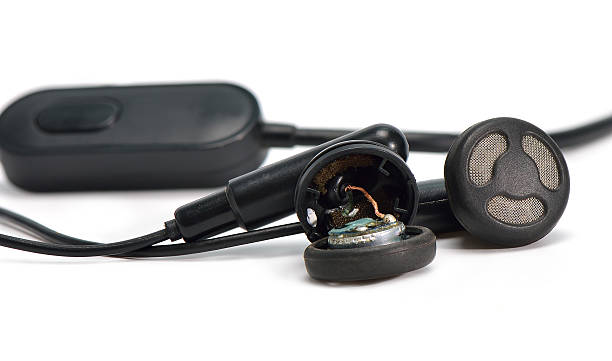
Wireless earbuds have become a part of everyday life. People use them for music, calls, gaming, workouts, and online meetings. Their wireless design offers comfort and freedom. However, like all electronic devices, they can develop problems over time. Fortunately, many of these issues are easy to solve at home. With the right approach, users can restore performance without spending money on repairs.
Most wireless earbud problems happen because of daily use. Dust, sweat, moisture, and software glitches gradually affect performance. Sometimes the issue is as simple as a weak Bluetooth connection. In other cases, charging problems or outdated firmware may be responsible. Understanding the cause helps users find the right solution quickly.
Proper maintenance also prevents many common issues. Regular cleaning, safe storage, and correct charging habits improve performance significantly. For example, users of soundpeats anc earbuds can maintain reliable sound quality and stable connectivity by following basic care practices and keeping their devices updated. These simple habits reduce unexpected issues and extend the lifespan of wireless earbuds.
Why Wireless Earbuds Develop Problems
Wireless earbuds contain several advanced components inside a compact body. Bluetooth chips, rechargeable batteries, microphones, speakers, touch sensors, and software work together. If one part experiences a problem, overall performance may decline.
Unlike wired earphones, wireless earbuds depend on both hardware and software. Therefore, connection errors, firmware bugs, and battery issues can affect daily use. Environmental conditions also play an important role. Dust, humidity, and accidental drops slowly impact performance.
Fortunately, many of these problems develop gradually. Users often notice small warning signs before complete failure occurs. Recognizing these signs early makes troubleshooting much easier.
Common Wireless Earbud Problems
Earbuds Not Connecting
Bluetooth connection issues are among the most common complaints. Sometimes earbuds do not appear in the Bluetooth menu. Other times they connect but fail to play audio.
This problem usually happens because of pairing conflicts. Previously connected devices may interfere with the current connection. Bluetooth settings may also become corrupted after software updates.
Start by turning Bluetooth off for several seconds. Then enable it again and search for available devices. If the problem continues, remove the earbuds from the paired devices list and reconnect them.
Restarting both the smartphone and earbuds often clears temporary software glitches. This simple step solves many connection issues within minutes.
One Earbud Is Not Working
Another common issue involves only one earbud producing sound. Many users believe the earbud is damaged immediately. However, this is often not the case.
One earbud may have a lower battery level than the other. Dirty charging contacts may prevent complete charging. In some cases, synchronization between both earbuds becomes interrupted.
Place both earbuds inside the charging case for several minutes. Afterward, remove them together and reconnect them to the device. If necessary, perform a factory reset according to the manufacturer’s instructions.
Also, check your phone’s audio balance settings. Incorrect balance adjustments can send sound to only one side.
Poor Sound Quality
Sound quality may decrease gradually instead of suddenly. Audio may sound muffled, distorted, or quieter than usual.
Earwax and dust frequently block the speaker mesh. This buildup reduces sound clarity and lowers volume. Fortunately, cleaning usually restores audio performance.
Equalizer settings may also affect sound quality. Excessive bass or treble adjustments sometimes create distortion.
Streaming quality depends on internet speed as well. Slow connections may reduce audio quality during online playback.
Regular cleaning and balanced audio settings help maintain clear and consistent sound.
Battery Drains Too Quickly
Battery life naturally decreases after hundreds of charging cycles. However, rapid battery drain may occur even in newer earbuds.
Listening at maximum volume consumes more power. Active Noise Cancellation also increases battery usage. Similarly, constant Bluetooth searching shortens battery life.
Lowering the volume slightly extends listening time. Turning off unnecessary features also improves battery efficiency.
Users should avoid storing earbuds with completely empty batteries. Moderate charging habits help maintain long-term battery health.
Charging Problems
Charging problems often appear unexpectedly. Earbuds may charge slowly or fail to charge altogether.
Dirty charging contacts are usually responsible. Pocket lint and dust collect inside charging cases over time.
Clean the charging pins carefully using a dry cotton swab. Also, inspect the charging cable for visible damage.
Using the original charging cable provides stable power delivery. Low-quality accessories sometimes cause inconsistent charging performance.
Easy Fixes You Can Try at Home
Clean the Earbuds Properly
Cleaning earbuds regularly improves both sound quality and charging performance.
Use a microfiber cloth to wipe the exterior surfaces gently. A soft brush removes dust from speaker grills without causing damage.
Avoid using sharp objects during cleaning. Metal tools may damage delicate speaker components.
Never immerse wireless earbuds in water unless the manufacturer specifically allows it.
Cleaning every two weeks prevents dirt accumulation and improves overall reliability.
Reset and Re-Pair the Earbuds
Factory resetting solves many software-related issues.
Although procedures differ between brands, most earbuds reset by pressing and holding specific buttons.
After resetting, delete the earbuds from the Bluetooth settings. Pair them again as if connecting for the first time.
This process removes corrupted connection information and restores normal communication.
Users should consult the official manual for model-specific instructions.
Update Firmware
Firmware controls how earbuds operate. Manufacturers regularly release updates that improve stability.
Firmware updates fix software bugs, improve battery management, and enhance Bluetooth compatibility.
Install updates using the manufacturer’s official application whenever available.
Ensure both earbuds have sufficient battery before starting the update process.
Never interrupt firmware installation because incomplete updates may create additional problems.
Easy Fixes You Can Try at Home
Check Charging Accessories
Charging accessories deserve regular attention. Even a small fault can interrupt charging. Therefore, inspect the charging cable carefully. Look for bends, cuts, or loose connectors. If you notice damage, replace the cable immediately.
Next, examine the charging case. Dust and lint often collect inside the case. Consequently, the earbuds may not make proper contact with the charging pins. Clean the case gently with a soft, dry cloth. Then use a cotton swab to remove dirt around the charging contacts.
Additionally, use a certified charger whenever possible. Cheap chargers sometimes provide unstable power. As a result, charging becomes inconsistent and battery life may decline over time.
Adjust Bluetooth and Audio Settings
Bluetooth settings greatly influence wireless performance. Therefore, verify that Bluetooth is enabled correctly on your smartphone or tablet. If multiple devices are connected, disconnect the ones you are not using.
Sometimes battery-saving mode limits Bluetooth performance. Temporarily disable this feature while troubleshooting. If the issue disappears, adjust your battery settings to allow better Bluetooth connectivity.
You should also review your audio settings. Ensure the volume balance is centered between the left and right channels. Incorrect balance settings can make one earbud seem faulty when both earbuds work properly.
Finally, restart your phone after changing settings. A fresh restart often resolves temporary software conflicts.
Tips to Prevent Future Problems
Preventive maintenance is always easier than repairing damaged earbuds. Fortunately, a few simple habits can keep wireless earbuds working efficiently for years.
Store Earbuds Safely
Always place your earbuds inside their charging case after use. This habit protects them from dust, scratches, and accidental drops. It also ensures they remain charged for the next use.
Avoid placing heavy objects on the charging case. Excessive pressure may damage the internal charging mechanism or crack the case.
Similarly, do not carry earbuds loosely inside pockets or bags. Keys and coins can scratch the outer surface and damage sensitive components.
Clean Them Regularly
Regular cleaning keeps earbuds performing at their best. Sweat, dust, and earwax slowly build up during daily use. Over time, this debris affects both sound quality and charging efficiency.
Use a dry microfiber cloth after every few uses. A soft brush also helps remove dirt from speaker grills and microphone openings.
However, avoid alcohol-based cleaners unless the manufacturer recommends them. Strong chemicals may damage protective coatings on the earbuds.
Consistent cleaning takes only a few minutes. Nevertheless, it significantly improves long-term performance.
Avoid Moisture and Extreme Temperatures
Many wireless earbuds offer water resistance. However, water resistance does not mean waterproof. Therefore, avoid exposing earbuds to excessive moisture.
After workouts, wipe away sweat before placing the earbuds inside the charging case. This simple step prevents moisture from collecting around the charging contacts.
Likewise, avoid leaving earbuds inside a hot car. High temperatures accelerate battery aging and reduce battery capacity.
Freezing temperatures also affect battery performance. Allow cold earbuds to reach room temperature before charging them.
Charge Them Correctly
Proper charging habits extend battery life. Avoid allowing the battery to drain completely every day. Likewise, avoid leaving earbuds plugged in continuously after reaching a full charge.
Instead, recharge them when the battery level becomes moderately low. This practice reduces stress on rechargeable lithium batteries.
Additionally, use the charging cable supplied by the manufacturer whenever possible. Certified accessories deliver stable voltage and protect internal components.
Following proper charging habits helps maintain battery health for a longer period.
When Home Fixes Are Not Enough
Although many problems can be solved at home, some issues require professional attention. Recognizing these situations helps prevent further damage.
Physical damage often requires repair or replacement. For example, cracked housings, broken speakers, or damaged microphones cannot usually be fixed with simple troubleshooting.
Battery swelling is another serious warning sign. Stop using the earbuds immediately if the battery appears swollen or the charging case becomes unusually hot. Continuing to use damaged batteries may create safety risks.
Persistent Bluetooth failures may also indicate internal hardware damage. If repeated resets and firmware updates do not solve the issue, contact the manufacturer or an authorized service center.
Before attempting repairs yourself, check the warranty status. Many manufacturers provide free repairs or replacements for eligible products.
Avoid opening the earbuds without proper tools or technical knowledge. Modern wireless earbuds contain delicate components that are difficult to reassemble correctly.
Additional Maintenance Tips for Better Performance
Small maintenance habits make a noticeable difference over time. For instance, update your smartphone’s operating system regularly. Software updates often improve Bluetooth stability and compatibility with wireless devices.
Also, avoid connecting the earbuds to too many devices simultaneously. Frequent switching between multiple devices may create pairing conflicts.
Turn off the earbuds when they are not in use. Although many models power off automatically, manually turning them off saves battery life.
If your earbuds include companion software, review its settings occasionally. Many applications provide battery information, firmware notifications, and customization options that improve the overall experience.
Finally, handle your earbuds carefully during travel. Use the protective charging case instead of placing them directly into luggage or backpacks. This simple habit prevents accidental damage.
Conclusion
Wireless earbuds provide convenience, excellent portability, and impressive sound quality. However, occasional problems are inevitable after regular use. Fortunately, most issues result from minor software glitches, charging inconsistencies, dirt buildup, or incorrect settings rather than permanent hardware failure.
Simple maintenance practices can prevent many common problems. Regular cleaning, careful charging, safe storage, and timely firmware updates keep earbuds working efficiently. Moreover, resetting and reconnecting the earbuds often solves connection problems within minutes.
Understanding the causes of common wireless earbud problems allows users to troubleshoot confidently at home. Instead of replacing earbuds immediately, they can apply practical solutions that restore normal performance. With proper care and preventive maintenance, wireless earbuds can continue delivering reliable connectivity, clear sound, and dependable battery life for many years.