

Many women feel nervous before their first Pap smear. They often ask, “do pap smear test hurt?” This common question comes from stories or fears about the procedure. In this guide, we explore the truth about Pap smears. We cover what happens during the test, if it causes pain, and ways to make it easier. Pap smears play a key role in women’s health. They help detect early signs of cervical cancer. By knowing more, you can feel ready and calm.
What Is a Pap Smear?
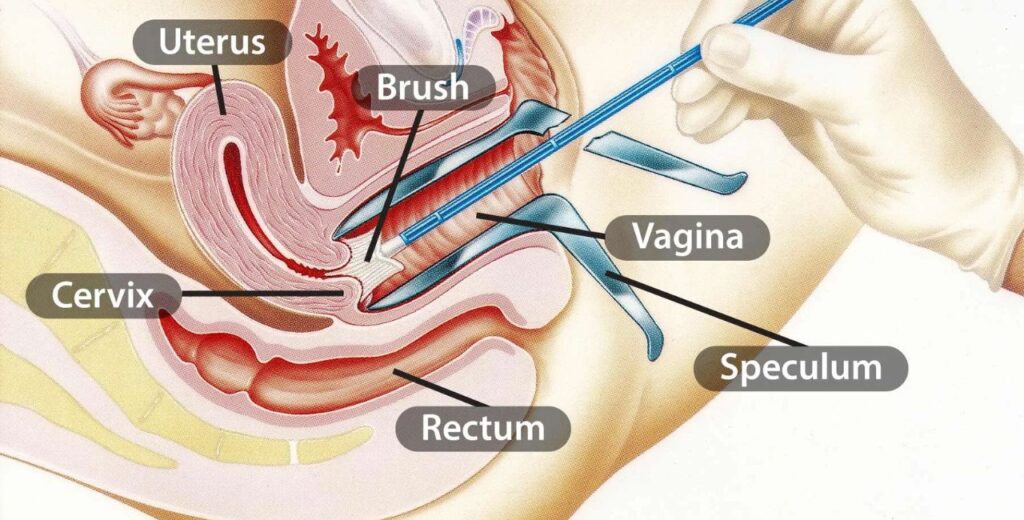
Doctors use Pap smears to check for changes in cervical cells. These changes could lead to cancer if not caught early. The test looks at cells from your cervix, the lower part of your uterus. It can spot abnormal cells or signs of human papillomavirus, or HPV. HPV is a virus that raises the risk of cervical cancer.
The Pap smear got its name from Dr. George Papanicolaou. He created the method in the 1920s. Before this test, many women died from cervical cancer. Now, it saves lives by finding problems early. Health groups like the American Cancer Society recommend it for women aged 21 to 65.
A Pap smear is not the same as a pelvic exam. A pelvic exam checks your reproductive organs. But it often includes a Pap smear. During the test, your doctor collects cells with a small tool. They send these to a lab. The lab checks for anything unusual.
Statistics show Pap smears work well. They cut cervical cancer deaths by over 70% in the U.S. since the 1950s. About 13,000 women get cervical cancer each year. But early detection makes 92% of cases treatable. This test is simple and quick. It takes just a few minutes in your doctor’s office.
Women with certain risks need more tests. These include smoking or a weak immune system. If you have HIV or a history of abnormal results, talk to your doctor. They might suggest tests more often.
The Pap Smear Procedure Step by Step
Your doctor performs the Pap smear in an exam room. You undress from the waist down. You lie on a table with your feet in stirrups. A sheet covers your lower body for privacy.
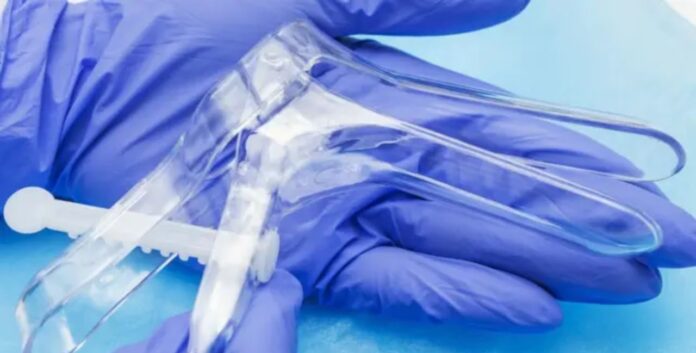
First, the doctor inserts a speculum. This tool is made of metal or plastic. It gently opens the vagina to see the cervix. You might feel pressure here. Next, they use a small brush or spatula. They swipe it across the cervix to collect cells. This part lasts seconds.
After that, they remove the speculum. The whole process ends fast. You can get dressed right away. Some women spot light blood after. This is normal and stops soon.
Doctors train to make this gentle. They warm the speculum if it’s metal. They use lubricant to ease insertion. If you tense up, it might feel tighter. Relaxing helps a lot.
In some cases, they test for HPV too. They use the same cell sample. This combo test happens for women over 30. It gives more info about cancer risks.
Do Pap Smear Test Hurt? Breaking Down the Discomfort
One big worry is pain. So, do pap smear test hurt? Most women say no. It feels more like discomfort than real pain. Think of it as pressure or a quick pinch.
The speculum causes the main feeling. It stretches the vaginal walls. This can feel odd, especially if you’re not used to it. The cell collection might cause a mild scrape sensation. But it passes fast.
Some women report cramping. This happens if the cervix is sensitive. It feels like period cramps but lighter. Pain should not last. If it does, tell your doctor.
Studies back this up. A survey by the Journal of Women’s Health found 80% of women feel only mild discomfort. Only 5% call it painful. Factors like age or past births affect this. Younger women or those without kids might feel more.
If it hurts a lot, there could be a reason. Conditions like infections or endometriosis make it worse. Your doctor can check for these. They might pause the test if needed.
Remember, pain is rare. Providers aim for comfort. They listen if you say stop. Many women find later tests easier. Your body gets used to it.
Why Might a Pap Smear Cause Discomfort?
Discomfort comes from a few sources. Muscle tension tops the list. When nervous, you tighten up. This makes the speculum feel tighter.
The cervix position matters too. It sits lower during your period. This can make swabbing trickier. Dryness adds to it. Hormones change vaginal moisture. Menopause or breastfeeding lowers it.
Underlying issues play a role. Yeast infections irritate the area. Herpes outbreaks cause sensitivity. Pelvic floor problems, like tight muscles, increase feelings.
Emotional factors count. Past trauma from assaults or bad exams heightens anxiety. This leads to more tension. Talking about it helps. Providers can go slower or use smaller tools.
Speculum size affects comfort. Doctors have different sizes. Ask for a smaller one if needed. Warm tools feel better than cold ones.
In rare cases, allergies cause issues. Latex in gloves or lubricant might irritate. Tell your doctor about allergies ahead.
Understanding these helps. You can prepare and reduce risks. Most discomfort fades in minutes.
Tips to Make Your Pap Smear More Comfortable
You can take steps for less discomfort. Follow these to feel at ease.
Bold key steps:
- Time it right. Schedule mid-cycle, about 10-20 days after your period starts. Avoid heavy flow days. Light bleeding might be okay, but check first.
- Relax your body. Practice deep breaths. Inhale slow through your nose. Exhale through your mouth. This loosens muscles.
- Take pain relief. Use ibuprofen 30 minutes before. It cuts cramping.
- Communicate openly. Tell your doctor about worries. Say if something hurts. They can adjust.
- Choose your provider. Pick a female doctor if that helps. Or bring a support person.
- Distract yourself. Think of a happy place. Or chat with the doctor.
- Wear comfy clothes. Loose outfits make undressing easy.
- Empty your bladder. Pee before the exam. A full bladder adds pressure.
These tips come from experts. For example, Women’s Health Services suggests focusing on breath. It works for many.
If you have trauma, seek counseling first. Therapy eases anxiety over time.
After the test, rest if needed. Light spotting is fine. Use a pad, not a tampon.
How to Prepare for a Pap Smear
Good prep makes a big difference. Start two days before.
Avoid sex. It can change cell results. Skip tampons, douches, or creams. These wash away cells or add bacteria.
Don’t use birth control foams or jellies. They interfere with the lab check.
Shower as usual. No need for special cleaning. Your body is fine as is.
Bring your health history. Note past tests or issues. List medicines too.
On the day, eat light. Avoid caffeine if it makes you jittery.
If pregnant, tell your doctor. They do Pap smears safely then.
For virgins, the test works. Doctors use care with the hymen.
After prep, results come clearer. This leads to better health info.
Understanding Pap Smear Results
Results take 1-3 weeks. Your doctor calls or sends them.
Normal means no changes. You wait 3-5 years for the next.
Unclear needs a repeat. The lab couldn’t tell.
Abnormal shows cell changes. Low-grade changes are slow. High-grade need quick checks.
Abnormal doesn’t mean cancer. Most fix with treatment.
Follow-up might be colposcopy. This uses a scope to see the cervix. They take tiny samples if needed.
HPV positive raises risks. But many clear it naturally.
Track your results. Keep records for future doctors.
How Often Should You Get a Pap Smear?
Guidelines change with age.
From 21-29: Every 3 years.
30-65: Every 3 years alone, or 5 with HPV test.
Over 65: Stop if past tests normal.
After hysterectomy: Often no need, unless for cancer.
Risks change this. Smoking or HIV means more tests.
Talk to your doctor. They tailor it to you.
Stats show regular tests cut risks. Women who skip have higher cancer rates.
Risks and Benefits of Pap Smears
Benefits outweigh risks. Early detection saves lives.
Risks are low. False negatives happen rarely. This means missed changes.
Bleeding or infection is uncommon.
The test is safe. No long-term harm.
Benefits include spotting infections too. Like yeast or bacteria.
Overall, it’s a key health tool.
Common Myths About Pap Smears
Myths scare people away.
Myth: It hurts a lot. Truth: Mostly discomfort.
Myth: Only for sexually active. Truth: All with cervix need it.
Myth: On period, can’t do it. Truth: Possible if light.
Myth: Replaces STI tests. Truth: Separate.
Myth: Virgins can’t have it. Truth: Yes, with care.
Busting myths helps more women get tested.
The Role of HPV in Pap Smears
HPV links to most cervical cancers. Over 100 types exist. Some cause warts, others cancer.
The test checks for high-risk HPV.
Vaccines prevent it. Get them before sex starts.
Safe sex lowers risks. Use condoms.
If positive, monitor closely.
Pap Smears During Pregnancy
Safe in pregnancy. Doctors do them early.
They check for changes gently.
If abnormal, wait till after birth for more tests.
It protects mom and baby.
Pap Smears After Menopause
Hormones change. Dryness increases discomfort.
Use lubricant. Or estrogen cream if doctor says.
Tests still matter till 65.
Dealing with Anxiety Before a Pap Smear
Anxiety is common. Breathe deep.
Talk to friends who had it.
Read trusted info.
If severe, see a therapist.
Alternatives to Traditional Pap Smears
Self-tests emerge. You collect cells at home.
Send to lab. Good for hard-to-reach areas.
But doctor ones are standard.
The History of Pap Smears
Dr. Papanicolaou found it in 1928.
It spread in 1940s.
Now, global use.
Global Perspectives on Pap Smears
In U.S., common. In poor countries, less access.
Programs help. Like free clinics.
Pap Smears and Cervical Cancer Statistics
13,000 U.S. cases yearly.
4,000 deaths.
With tests, drops.
Worldwide, 600,000 cases.
Personal Stories: What Women Say About Pap Smears
Many share online. “Felt weird, but quick.”
“Second time easier.”
“Tips helped no pain.”
These reassure.
The Doctor’s View on Pap Smears
Doctors say: “Vital tool.”
“Patients relax best.”
“Ask questions.”
Advances in Pap Smear Technology
Liquid-based tests better.
DNA tests for HPV.
AI helps labs.
Pap Smears for LGBTQ+ Individuals
Trans men with cervix need them.
Providers train for inclusive care.
Cost and Insurance for Pap Smears
Often covered. Free under ACA.
Clinics offer low-cost.
What to Do After an Abnormal Pap Smear
Don’t panic. Follow up.
Colposcopy next.
Treat if needed.
Long-Term Health Benefits of Regular Pap Smears
Lower cancer risk.
Catch issues early.
Peace of mind.
Integrating Pap Smears into Your Health Routine
Add to yearly check.
Track dates.
Combine with mammograms.
Environmental Factors and Cervical Health
Smoking hurts cervix.
Diet helps. Eat veggies.
Exercise boosts immunity.
Nutrition Tips for Cervical Health
Vitamins A, C, E fight HPV.
Folate from greens.
Avoid processed foods.
Exercise and Its Impact on Pap Smear Comfort
Strong pelvis eases tension.
Yoga relaxes.
Walk daily.
Mental Health and Pap Smear Experiences
Stress tightens muscles.
Meditate before.
Positive thoughts help.
Pap Smears in Different Cultures
Some taboo. Education changes.
Programs teach.
Teaching Young Women About Pap Smears
Start talks early.
Schools educate.
Parents guide.
Pap Smears for Women with Disabilities
Accessible tables.
Helpers allowed.
Trained staff.
The Future of Cervical Screening
Vaccines reduce need.
Home tests grow.
Better accuracy.
Comparing Pap Smears to Other Screenings
Like mammograms for breasts.
Colonoscopies for gut.
All prevent cancer.
Pap Smears and Fertility
No impact.
Safe before trying for baby.
Pap Smears After Childbirth
Wait 12 weeks.
Changes heal.
Handling Spotting After Pap Smears
Normal for day.
If more, call doctor.
When to See a Doctor About Pap Smear Concerns
If pain lasts.
Or heavy bleed.
Or fever.
Pap Smears and Birth Control
No interference.
But note methods.
Pap Smears for Women Over 40
Combine with HPV.
Watch changes.
Debunking Online Misinformation About Pap Smears
Social media spreads fears.
Trust doctors.
Check facts.
Resources for Learning More About Pap Smears
Books on women’s health.
Websites like CDC.
Apps track tests.
For more on health topics, visit our home page.
FAQs About Pap Smears
Do Pap Smear Test Hurt?
Most feel only pressure. Tips like breathing help.
How Long Does a Pap Smear Take?
Five minutes.
Can I Get a Pap Smear on My Period?
If light, yes. Else, reschedule.
What If My Pap Smear Is Abnormal?
Follow up with more tests.
How Often Do I Need a Pap Smear?
Every 3-5 years, based on age.
Conclusion
Pap smears offer vital protection against cervical cancer. They catch issues early and save lives. While some wonder “do pap smear test hurt,” most experience just mild discomfort. With prep and tips, you can make it easy. Regular tests keep you healthy. Have you scheduled your next Pap smear yet?
References
- Cleveland Clinic. Pap Smear Overview. Provides detailed procedure and results info.
- Sanford Health. What’s a Pap Smear?. Explains pain factors and follow-ups.
- Women’s Health Services. Comfortable Pap Smear Tips. Offers practical advice for reducing discomfort.