
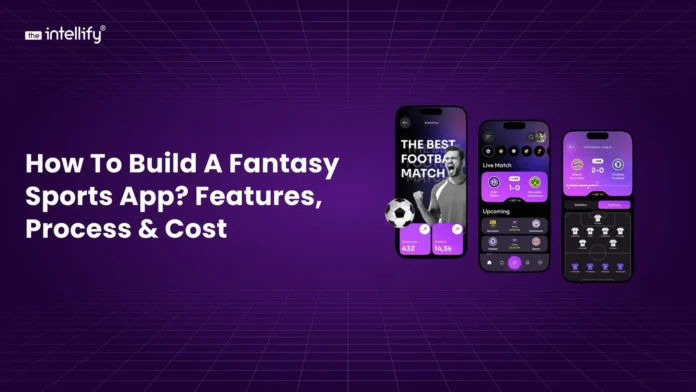
Fantasy sports apps have changed how fans engage with real sports. Instead of just watching matches, users can create virtual teams, join contests, track live scores, and compete for rewards. With global demand rising and the Indian fantasy sports market reaching new heights, businesses are investing heavily in fantasy sports app development to capture this growing audience.
If you’re planning to build a fantasy platform, understanding how the system works—its features, workflow, and technologies—is essential. This guide breaks down each component in simple, clear, and practical terms.
What Is a Fantasy Sports App?
A fantasy sports app allows users to create virtual teams based on real players from real matches. The performance of these players in actual games determines the user’s score, rank, and winnings.
Unlike traditional gaming, fantasy sports rely on:
✔ Real-time match data
✔ Player statistics
✔ Contest scoring rules
✔ User predictions and decision-making
This makes it a skill-based gaming model, which is why businesses, leagues, and startups are collaborating with fantasy sports app development companies to build long-term revenue-generating platforms.
How Fantasy Sports Apps Work: Step-by-Step Workflow
Below is the typical workflow used by most fantasy cricket, football, kabaddi, or multi-sport platforms:
1. User Registration & Account Setup
Users can sign up using:
-
Email
-
Phone number
-
Google/Apple login
The app verifies identity via OTP or email verification.
2. Select a Sport & Match
Users browse upcoming and live matches. Most apps support:
-
Cricket
-
Football
-
Basketball
-
Kabaddi
-
Hockey, NFL, and more
This depends on the type of fantasy platform you choose to build.
3. Create a Fantasy Team
Users assemble a team using:
-
Player categories (batsman, bowler, striker, defender, etc.)
-
Credits-based selection
-
Captain & Vice-captain choices (which earn bonus points)
This is the most important part of user engagement.
4. Join Paid or Free Contests
Contests have:
-
Entry fees
-
Prize pools
-
Winning distribution
-
Limited or unlimited participants
This is a major revenue driver for fantasy platforms.
5. Real-Time Scoring During the Match
The app updates user points based on real match events, such as:
-
Runs scored
-
Goals
-
Wickets
-
Raids
-
Assists
-
Penalty cards
This data comes from official cricket/football/kabaddi APIs.
6. Rankings & Winnings Distribution
After the match ends:
-
Points are calculated
-
Leaderboard is generated
-
Winners receive cash or rewards
Automated payment settlement ensures user trust and transparency.
Must-Have Fantasy Sports App Features
To stay competitive, your app must include modern and user-friendly features. Below are essential fantasy sports app features every platform should offer:
✔ User-Focused Features
-
Intuitive UI/UX
-
Player statistics
-
Match highlights
-
Real-time score updates
-
Contest filters
-
Refer & Earn system
-
Wallet management
-
Push notifications
✔ Admin Panel Features
-
Manage users
-
Match & contest control
-
Revenue analytics
-
Fraud detection tools
-
Withdrawal approvals
-
Reward management
-
Content & banner management
✔ Advanced Features (Highly Recommended)
-
AI-based team suggestions
-
Live commentary & insights
-
Multi-language support
-
Social sharing options
-
Virtual player cards
-
Advanced ranking algorithm
-
Dynamic prize pool system
These features increase retention and maximize conversion.
Tech Stack Required for Fantasy Sports App Development
To build a secure and scalable fantasy platform, developers use a combination of apps, APIs, and backend systems.
Below is the commonly used tech stack:
Frontend (User Interface)
-
React Native / Flutter (cross-platform)
-
Swift (iOS)
-
Kotlin (Android)
Backend (Server & Business Logic)
-
Node.js
-
Python
-
Laravel
Databases
-
MongoDB
-
MySQL
-
Firebase
Real-Time Data & Live Score APIs
-
Sports data providers (official APIs, third-party APIs)
Payment Gateways
-
Razorpay
-
Paytm
-
Stripe
-
Cashfree
Cloud Services
-
AWS
-
Google Cloud
-
Azure
Using the right tech stack ensures smooth performance even during high-traffic events like IPL, World Cup, or Premier League seasons.
Fantasy Sports App Development Cost in 2026
The fantasy sports app development cost depends on:
-
Features
-
Platform (Android/iOS)
-
API integrations
-
UI complexity
-
Tech stack
-
Developer location
-
Multi-sport support
Estimated cost ranges:
-
Basic Fantasy App: $10,000 – $25,000
-
Mid-Level App: $25,000 – $45,000
-
Advanced Multi-Sport App: $50,000 – $150,000+
These figures are rough industry averages—prices vary based on customization and app scale.
Why Businesses Hire a Fantasy Sports App Development Company
Partnering with a specialized fantasy sports app development company offers:
-
Ready-made sports APIs
-
Expertise in scoring algorithms
-
Scalability for peak-match traffic
-
Payment & security integrations
-
Compliance with local regulations
-
Faster go-to-market delivery
This ensures your fantasy platform is not just functional, but also market-ready.
Conclusion
Fantasy sports apps continue to dominate the gaming industry, driven by user engagement, real-time data, and innovative features. Understanding the workflow, features, tech stack, and costs helps businesses plan their investment smarter.
If you’re planning to build your own platform, collaborating with an experienced fantasy sports app development company can help you launch quickly, scale faster, and capture a high-growth market effectively.