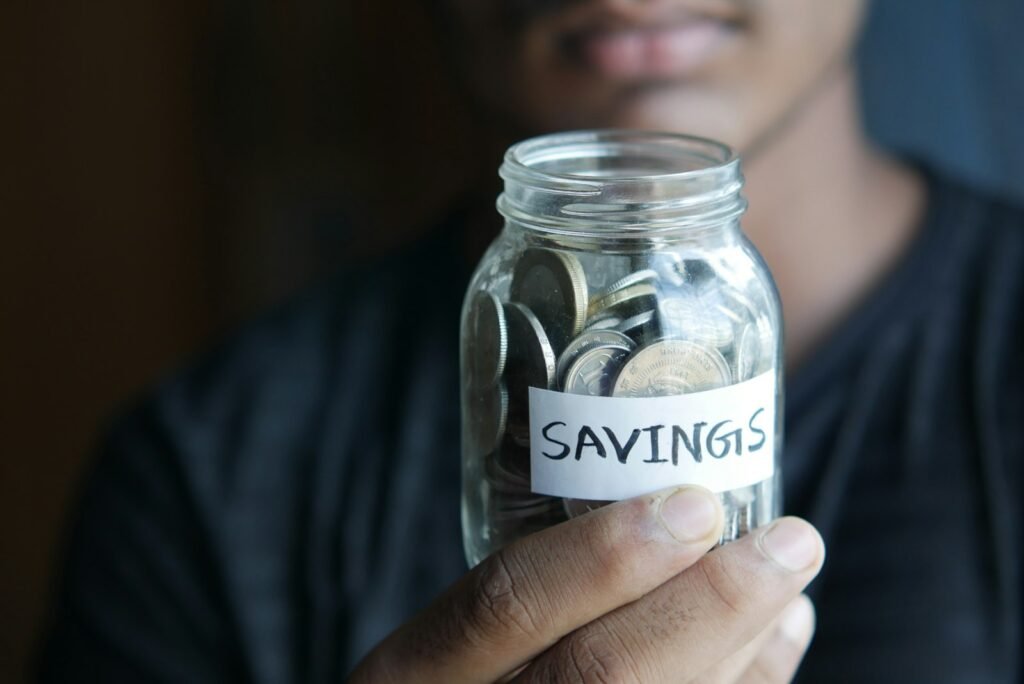
The car breaks down. A child needs an unexpected hospital visit. Your employer announces layoffs. Life’s financial shocks rarely come with warning, and when they hit, people without savings often turn to high-interest credit cards or borrowing from friends, which can turn a short-term problem into a long-term one.
An emergency fund is the simplest financial safety net there is: money set aside specifically for genuine emergencies. This guide explains how to build an emergency fund step by step, including how much you really need, where to keep it, and how to save even when money is tight. It’s general education, not personal financial advice.
What Counts as an Emergency?
An emergency is something that is unexpected, necessary and urgent. Examples include:
- Job loss or a sudden drop in income
- Medical or dental bills not covered by insurance
- Essential car or home repairs
- Emergency travel for a family crisis
What doesn’t count: holidays, sales, a new phone, wedding gifts or annual bills you knew were coming. Those belong in separate savings goals, sometimes called sinking funds.
How Much Should You Save?
The most common guideline is three to six months of essential expenses. Essential expenses are what you must pay to keep life running: rent or mortgage, utilities, groceries, transport, insurance, minimum debt payments and school fees. Not your total income, and not your lifestyle spending.
The US Consumer Financial Protection Bureau offers practical guidance on building an emergency fund, including starting small and building the habit first.
Aim for the higher end if you:
- Are self-employed or have irregular income
- Are the only earner in your household
- Work in an industry with frequent layoffs
- Have dependants, health issues or an older car or home
The lower end may be enough if you:
- Have a stable job and a second household income
- Have good insurance coverage
- Have few fixed obligations
Step-by-Step: Building Your Fund
Step 1: Calculate Your Monthly Essentials
Look at the last three months of bank statements and add up essential costs only. If your essentials are 120,000 a month, a three-month fund is 360,000 and a six-month fund is 720,000.
Step 2: Set a Starter Goal
Six months of expenses can feel impossible. Start with a smaller first milestone, such as one month of essentials or a fixed amount that covers a typical car repair. Reaching a first goal builds momentum.
Step 3: Open a Separate Account
Keep emergency money away from your everyday spending account. If it sits in your main account, it slowly disappears into daily life.
Step 4: Automate Your Saving
Set a standing transfer on payday, before you have a chance to spend it. Even a small fixed amount, automated, beats large intentions that never happen.
Step 5: Use a Budget to Find the Money
A framework like the 50/30/20 budget rule helps: until your emergency fund is complete, direct a bigger share of the “wants” portion into savings.
Step 6: Add Windfalls
Bonuses, tax refunds, Eid money, freelance payments or selling unused items can accelerate your fund dramatically. Consider putting at least half of any windfall straight into savings.
Where to Keep Your Emergency Fund
Your emergency fund needs three qualities: safety, easy access and some return. In that order.
| Option | Pros | Cons |
|---|---|---|
| High-interest or profit-based savings account | Safe, accessible, earns some return | Rates vary; may have withdrawal limits |
| Money market or liquid funds | Usually higher returns than basic savings | Small value fluctuation; may take a day or two to withdraw |
| Short-term deposits (laddered) | Higher rates | Penalties for early withdrawal |
| Cash at home | Instant access | Theft and fire risk, no return; keep only a small amount |
| Stocks or crypto | Growth potential | Can fall sharply exactly when you need the money; not suitable |
Many people use a two-tier approach: one month of expenses in an instant-access account, and the rest in a slightly higher-yielding option that can be accessed within a few days.

How to Save Faster on a Tight Budget
- Cancel unused subscriptions and redirect the money automatically
- Cook more at home for a few weeks and save the difference
- Sell items you don’t use online
- Take on short-term extra work, such as freelancing or weekend tutoring
- Use a “no-spend” week each month
- Round up purchases using bank or app features that move spare change to savings
Emergency Fund vs Paying Off Debt
If you have expensive debt such as credit cards, a common approach is to build a small starter emergency fund first, enough to avoid new debt when something breaks, then focus on paying off high-interest debt, then complete the full fund. Without any buffer, every surprise expense goes back onto the card and the cycle continues.
When to Use It, and How to Refill It
Before withdrawing, ask: is it unexpected, necessary and urgent? If yes, use it without guilt. That’s what it’s for. Afterwards, restart your automatic transfers and rebuild. Treat refilling as your top financial priority until the fund is back to target.
A Worked Example
Sara earns 180,000 a month. Her essentials are rent of 55,000, utilities of 12,000, groceries of 30,000, transport of 10,000 and a phone and internet bill of 3,000, about 110,000 in total. Her three-month target is 330,000 and her six-month target is 660,000.
- Starter goal: 110,000, one month of essentials
- Automatic transfer: 20,000 on payday
- Extra boosts: half of her annual bonus and the proceeds from selling an old laptop
She reaches her starter goal in about five months, her three-month target in just over a year, and keeps going toward six months. When her car needs an unexpected repair in month nine, she pays from the fund instead of a credit card, then simply keeps her transfers running to refill it.
Emergency Funds for Freelancers and Business Owners
If your income varies month to month, consider two separate buffers: a personal emergency fund for household costs, and a business reserve covering a few months of fixed business expenses such as software, rent and contractor payments. Keeping them separate makes it clear which money is for what, and stops a slow business month from draining household savings. Pay yourself a steady “salary” from business income and let the business reserve absorb the ups and downs. For more money-management ideas, explore our Finance Tips section.
Common Mistakes
- Investing emergency money in volatile assets
- Keeping it in your spending account
- Using it for planned expenses
- Waiting to start until you can save “a lot”
- Never updating the target as expenses grow
Frequently Asked Questions
Is three months of savings enough?
For people with stable jobs and dual incomes, it may be. Freelancers and single-income households often aim for six months or more.
Should my emergency fund earn interest or profit?
Yes, ideally, so inflation erodes it less. But safety and access come first. Don’t chase returns with this money.
Can I count my investments as an emergency fund?
It’s risky. Markets often fall during the same economic shocks that cause job losses, forcing you to sell at a loss.
How long does it take to build an emergency fund?
It depends on your income and expenses. Saving 10–20% of income, many people build a starter fund within months and a full fund within one to three years.
The Bottom Line
An emergency fund turns financial shocks into inconveniences rather than crises. Calculate your essential expenses, set a starter goal, automate saving into a separate, safe account, and build toward three to six months over time. It isn’t exciting, but few financial moves give you more peace of mind. This article is for general education only and is not personal financial advice.