When you need to dry, heat, or process temperature-sensitive materials without exposing them to excessive heat, a laboratory vacuum oven can provide a controlled solution. By reducing pressure inside the chamber, you lower the boiling point of moisture and solvents, allowing materials to dry at lower temperatures than conventional ovens.
Understanding how laboratory vacuum ovens work helps you select the right equipment, establish suitable operating conditions, and maintain consistent results. Whether you work with chemicals, pharmaceuticals, electronics, polymers, or research samples, you can use vacuum drying to improve process control and protect heat-sensitive materials.
What Is a Laboratory Vacuum Oven?
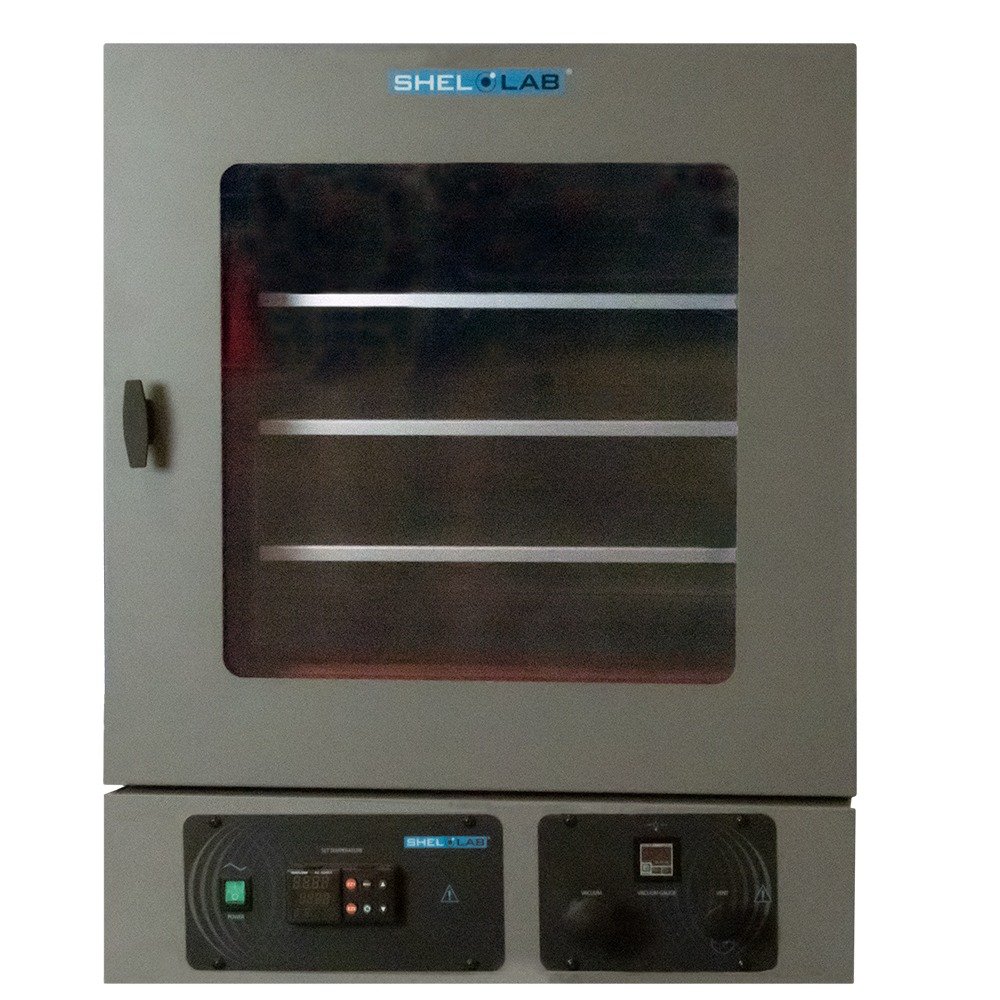
A laboratory vacuum oven is a temperature-controlled chamber designed to heat and dry materials under reduced pressure. A vacuum pump removes air and other gases from the chamber, while the heating system maintains the required temperature.
Unlike a conventional drying oven, which primarily relies on atmospheric pressure and heated air circulation, a vacuum oven combines controlled temperature with reduced pressure. This combination is particularly useful when you need to remove moisture, solvents, or other volatile substances without subjecting your samples to high temperatures.
You can find vacuum ovens in research laboratories, quality-control facilities, pharmaceutical operations, chemical processing environments, and industrial laboratories.
How Does a Laboratory Vacuum Oven Work?
The working principle is based on the relationship between pressure, temperature, and evaporation.
Under normal atmospheric pressure, water and many solvents require relatively high temperatures to evaporate rapidly. When you reduce the pressure inside the chamber, the boiling point of the material decreases. This allows moisture or volatile compounds to evaporate at lower temperatures.
A typical operating process includes these steps:
1. Load Your Samples
Place your samples evenly inside the chamber. Avoid overloading the shelves because excessive material can restrict heat transfer and slow down drying.
Use containers that are compatible with both the material being processed and the oven’s operating temperature.
2. Close and Seal the Chamber
After loading, close the chamber door securely. The door gasket and sealing surfaces should provide an effective seal so the system can maintain the desired vacuum level.
Before starting a process, check that the gasket is clean and properly positioned.
3. Set the Temperature
Choose a temperature appropriate for your material. You should use the lowest practical temperature that achieves the desired drying or heating result, especially when working with heat-sensitive samples.
Allow the oven to begin heating according to your established procedure.
4. Apply the Vacuum
Connect the chamber to a suitable vacuum pump and begin reducing the internal pressure. As pressure decreases, volatile components can evaporate more readily.
Your required vacuum level depends on the material, solvent, moisture content, and process objectives.
5. Maintain Controlled Conditions
During the process, monitor both temperature and vacuum conditions. Stable operating conditions help you achieve repeatable results.
If your application requires precise documentation, record temperature, pressure, processing time, and other relevant parameters for each batch.
6. Restore Pressure Before Opening
When drying is complete, do not immediately open the chamber. Gradually return the chamber to the appropriate pressure according to your operating procedure.
Once pressure has equalized and the samples have reached a safe condition, you can carefully open the door and remove the materials.
Why Use a Vacuum Oven?
You can choose vacuum drying when conventional heating may damage your materials or produce inconsistent results.
One major advantage is lower-temperature drying. Because reduced pressure encourages evaporation, you can remove moisture or solvents without using the high temperatures sometimes required by atmospheric drying.
Vacuum ovens can also help reduce oxidation. Removing much of the air from the chamber decreases the amount of oxygen surrounding the sample. This can be beneficial when processing materials that are sensitive to oxidation.
Another advantage is process control. You can independently manage temperature, vacuum, and processing time to develop a repeatable procedure for your application.
Key Features to Consider
When you evaluate Laboratory Vacuum Ovens, focus on features that directly affect your process.
Temperature Control
Look for accurate temperature control and a suitable operating range for your samples. Stable temperature performance is important when you need repeatable drying or heating cycles.
Vacuum Performance
Consider the vacuum range your application requires. The oven should be compatible with a vacuum pump capable of achieving the required pressure.
Chamber Construction
Choose a chamber material that can withstand your operating temperatures and the substances used in your process. Stainless steel is commonly selected for laboratory applications because it provides durability and is relatively easy to clean.
Door and Gasket Design
A reliable seal is essential for maintaining vacuum conditions. Inspect the gasket regularly for contamination, deterioration, or damage.
Shelving
Adjustable shelves can help you configure the chamber according to sample size and quantity. Adequate spacing also improves heat transfer and makes loading easier.
Safety Features
Depending on your application, consider over-temperature protection, pressure monitoring, alarms, and other safety features. If you work with solvents or volatile materials, verify that the complete vacuum system is appropriate for those substances.
Common Applications of Laboratory Vacuum Ovens
You can use vacuum ovens across many laboratory and industrial processes.
Drying Laboratory Samples
Vacuum ovens are frequently used to remove moisture from powders, solids, components, and other laboratory samples. Lower-temperature drying can help protect materials that could degrade under conventional heating.
Solvent Removal
If your process involves solvents, reduced pressure can assist evaporation at lower temperatures. You should always verify chemical compatibility and follow the appropriate safety procedures before processing volatile substances.
Pharmaceutical Research
Pharmaceutical laboratories may use vacuum drying for materials that are sensitive to heat or oxygen. Controlled conditions can support research, formulation development, and sample preparation.
Electronics and Components
Moisture can affect certain electronic materials and components. Vacuum drying can help remove trapped moisture from suitable components and materials before further processing.
Polymer and Plastics Research
You can use vacuum ovens to dry polymers, resins, and other materials before testing or manufacturing. Removing residual moisture can help improve consistency in subsequent processes.
Chemical Research
Researchers can use vacuum ovens for drying chemical compounds, precipitates, powders, and other suitable materials. The ability to combine controlled heat with reduced pressure makes the equipment useful for laboratory-scale processing.
Material Testing
Vacuum ovens can support research involving coatings, adhesives, composites, ceramics, and other engineered materials. Drying conditions can be controlled to prepare specimens consistently before testing.
Laboratory Vacuum Oven vs. Conventional Drying Oven
The primary difference is the operating environment.
A conventional drying oven heats samples under atmospheric pressure and may use natural or forced air circulation. A vacuum oven removes air and reduces chamber pressure while applying controlled heat.
You should consider a vacuum oven when your material is sensitive to high temperatures, oxidation, or prolonged exposure to atmospheric conditions.
A conventional oven may be sufficient when your material can tolerate higher temperatures and does not require reduced-pressure processing.
Your selection should therefore be based on the characteristics of your material rather than simply choosing the most advanced equipment.
How to Improve Vacuum Drying Results
You can improve process consistency by following a few practical steps.
Avoid overloading the chamber. Give samples sufficient space to promote consistent heat transfer.
Use consistent sample quantities. Similar batch sizes make it easier to establish repeatable drying cycles.
Control sample thickness. Thick layers can take significantly longer to dry than thin, evenly distributed layers.
Check the vacuum system. Inspect tubing, fittings, valves, and seals for leaks that could reduce vacuum performance.
Calibrate measurement systems. Temperature and pressure sensors should be checked according to your laboratory’s quality-control procedures.
Develop a documented procedure. Record temperature, vacuum level, drying time, sample quantity, and observations. This information can help you reproduce successful cycles.
Allow sufficient cooling time. Samples may remain hot after the heating cycle ends. Handle them using appropriate laboratory procedures and protective equipment.
Maintenance Tips for Vacuum Ovens
Routine maintenance helps you keep your oven reliable and extend its service life.
Start by cleaning the chamber regularly. Remove residues promptly, particularly after processing materials that may release vapors or deposits.
Inspect the door gasket for wear and replace it when necessary. A damaged gasket can cause vacuum leakage and increase processing time.
Check vacuum tubing and connections periodically. Loose fittings or damaged tubing can affect pressure stability.
Keep the heating system and sensors in good condition, and follow the manufacturer’s recommended inspection and calibration schedule.
You should also maintain the vacuum pump according to its manufacturer’s instructions. Depending on the pump design and application, maintenance may include oil changes, filter replacement, or inspection of seals.
How to Choose the Right Vacuum Oven
Before purchasing a unit, define your process requirements.
Consider the maximum operating temperature, required vacuum level, chamber capacity, sample dimensions, heating uniformity, and control requirements.
You should also consider the chemicals and materials you will process. If your work involves solvents or corrosive substances, confirm that the oven, gasket materials, vacuum pump, tubing, and associated components are suitable for the application.
Think about future requirements as well. Selecting an oven with sufficient capacity and appropriate control capabilities can prevent the need for premature replacement as your laboratory workload grows.
If you need assistance selecting equipment for your laboratory, you can use the Contact Us option to discuss your requirements with a supplier.
Why Work With a Laboratory Equipment Supplier?
Selecting laboratory equipment involves more than comparing chamber sizes and temperature ranges. You need equipment that matches your process, environment, safety requirements, and workflow.
A specialized supplier such as Global Lab Supply can help you evaluate laboratory equipment according to your application requirements. Before making a purchase, prepare information about your sample type, operating temperature, vacuum requirements, chamber capacity, and intended application.
This makes it easier to identify an appropriate solution instead of selecting equipment based only on general specifications.
Final Thoughts
Laboratory vacuum ovens provide a practical method for controlled drying and heating when conventional atmospheric drying is unsuitable. By combining reduced pressure with controlled temperature, you can remove moisture and volatile substances at lower temperatures while improving process control.
To achieve dependable results, choose equipment according to your material properties and process requirements. Maintain the chamber, seals, vacuum system, and controls regularly, and document your operating conditions.
When you understand the working principle and application requirements, you can use a vacuum oven more effectively and establish drying processes that are safer, more consistent, and easier to reproduce.
Frequently Asked Questions
1. What is a laboratory vacuum oven used for?
A laboratory vacuum oven is used to dry, heat, and process materials under reduced pressure. Common applications include moisture removal, solvent evaporation, pharmaceutical research, polymer preparation, electronics drying, chemical processing, and material testing.
2. Why does vacuum drying use lower temperatures?
Reducing chamber pressure lowers the boiling point of moisture and volatile substances. As a result, evaporation can occur at lower temperatures, helping you process heat-sensitive materials while reducing the risk of thermal degradation.
3. Can you use a vacuum oven for solvent removal?
Yes, suitable vacuum ovens can support solvent removal. However, you must verify chemical compatibility, equipment specifications, vacuum-pump suitability, and laboratory safety requirements before processing volatile or hazardous solvents.
4. How do you maintain a laboratory vacuum oven?
Clean the chamber regularly, inspect the door gasket, check vacuum connections for leaks, maintain sensors and controls, and service the vacuum pump according to manufacturer recommendations. Regular calibration and preventive maintenance also support reliable performance.
5. How do you select the right vacuum oven?
Start by evaluating your required temperature range, vacuum level, chamber capacity, sample size, materials, processing time, and safety requirements. Then compare equipment specifications to ensure the oven can reliably support your intended laboratory applications.