

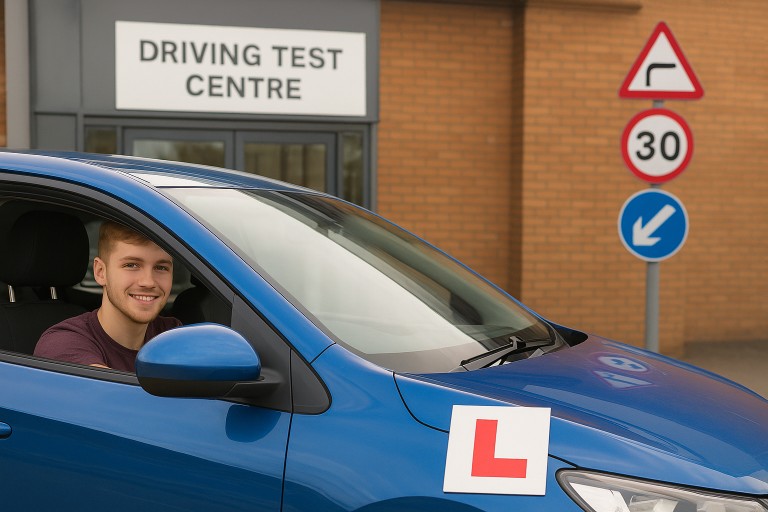
Learning to drive is one of the most exciting moments for a teen, but it can also be full of nerves and uncertainty. It is not just about handling a car, it is about making quick decisions, staying alert, and developing habits that will keep them safe for years to come. Parents play a key role in guiding their teen through this learning process.
Practical advice can help your young driver gain confidence, develop safe driving skills, and manage real-world driving situations with ease.
Why Safe Driving Matters for Teens
Teen drivers are particularly vulnerable due to limited experience and, at times, overconfidence. Even minor distractions, such as mobile phones, friends in the car, or music, can escalate into dangerous situations.
Peer pressure also influences decision-making, sometimes encouraging risky behaviours that teens might otherwise avoid. Being aware of these challenges allows parents to guide and support their young drivers more effectively.
Building Confidence Through Structured Practice
Structured practice is essential for helping young drivers gain confidence behind the wheel. Start on quiet streets so they can focus on basic vehicle control without feeling pressured. As their skills improve, gradually introduce busier roads, roundabouts, and junctions.
Practical tips to make each practice session effective:
- Start simple: Focus on steering, braking, and smooth manoeuvres.
- Gradually increase complexity: Introduce traffic, lane changes, and roundabouts step by step.
- Vary driving conditions: Include night-time driving, wet weather, and motorway sessions to prepare for real-life situations.
- Set achievable goals: Break each session into small tasks to keep learning motivating and stress-free.
- Review progress: Discuss what went well and what could improve after each practice.
Following a clear, structured routine allows young drivers to build skills safely and develop habits that will serve them well when driving independently.
Use Technology to Enhance Learning
Modern tools can complement hands-on practice and make learning more engaging. An app for driving tests allows teens to simulate real driving scenarios, track their progress, and focus on areas that need improvement.
Recognising milestones during practice helps reinforce safe driving habits. The app offers several benefits:
- Simulated driving scenarios for safer practice
- Progress tracking to highlight areas needing improvement
- Engaging, interactive exercises to keep teens motivated
- Immediate feedback to correct mistakes in real time
- Personalised practice plans tailored to your teen’s needs
When parents pair a structured practice routine with helpful technology, they can make learning to drive safer, more effective, and even enjoyable for their teens.
Practical Tips for Real-Life Driving
Developing essential skills requires consistent guidance and gentle correction. Encourage your teen to check mirrors and blind spots at every turn and lane change, control speed according to traffic, and maintain safe gaps.
Merging and overtaking should start on quiet roads before moving to busier environments. Discuss potential hazards, such as sudden braking, pedestrians, or cyclists, to build awareness. Emphasise the importance of staying focused and avoiding distractions while driving.
Some key points to remember during practice:
- Make mirror and blind spot checks a routine habit
- Maintain a safe following distance at all times
- Adapt speed to traffic and road conditions
- Reduce distractions, keeping phones and loud conversations away
Young drivers should check mirrors and blind spots, maintain safe distances, adjust speed for traffic, and avoid distractions like phones or loud conversations.
Establish a Structured Practice Schedule
Consistency and progression are key to developing competence. Begin with quiet streets so your teen feels comfortable behind the wheel, then gradually introduce busier roads and more complex junctions.
Mix in driving conditions like night-time and rain, as well as motorway sessions, to give them a realistic experience. Breaking practice into manageable milestones keeps progress motivating and stress-free, allowing confidence to grow naturally.
Set a Good Example
Teens notice everything behind the wheel, so modelling good behaviour is essential. Drive safely yourself, avoid aggressive driving, and follow rules consistently, including using seatbelts and indicators.
Staying calm in stressful traffic situations demonstrates patience and composure, which your teen is likely to mirror. Conversations about driving choices can also help reinforce safe habits without feeling like a lecture.
Sample Weekly Practice Schedule
| Day | Focus Area | Skill Target | Notes |
| Monday | Quiet streets | Basic control & observation | Practice parking, mirror checks |
| Wednesday | Urban roads | Traffic management & signalling | Use test app for hazard perception |
| Friday | Night driving | Visibility & speed control | Focus on headlights & weather |
| Sunday | Test simulation | Mock driving test scenario | Review mistakes with the driving app |
Discuss the Importance of Safety Features
Make Safety a Priority Together
Safety extends beyond habits, and modern technology can support responsible driving. Explain to your teen how seatbelts and airbags protect in everyday driving and emergencies, and show how ABS and stability control help maintain control in slippery conditions.
Blind-spot monitoring and sensors alert drivers to hazards they might otherwise miss. Teach correct usage of these features, including adjusting mirrors and seats properly. Showing safe habits, like always wearing a seatbelt and sticking to speed limits, helps your teen learn by example.
Safety features to focus on include:
- Seatbelts and airbags for protection
- ABS and stability control for tricky conditions
- Blind-spot monitoring and sensors for extra awareness
- Proper seat and mirror adjustment
Drivers should use seatbelts, airbags, ABS, stability control, and blind-spot monitoring while keeping seats and mirrors properly adjusted.
Emotional Support and Patience
Driving can be stressful for teens, so your approach makes a huge difference. Let them know feeling nervous is normal, and guide them gently through mistakes rather than criticising. Celebrate progress and praise small improvements to boost confidence.
Maintain a positive environment during practice, avoiding stressful topics, and use tools like the app for driving test to allow teens to practise safely and feel more prepared. With consistent support, your teen will gradually build both strong driving skills and a confident, responsible approach to the road.
Conclusion
Parents play a vital role in helping teens become safe, confident drivers. Structured practice, clear guidance, patience, and supportive feedback build skills and responsible habits. Technology such as the App for Driving Test makes practice interactive and engaging, helping teens feel prepared.
When parents lead by example, provide steady guidance, and celebrate progress, they give their teens the best chance to pass their first driving test confidently while developing lifelong safe driving habits.