

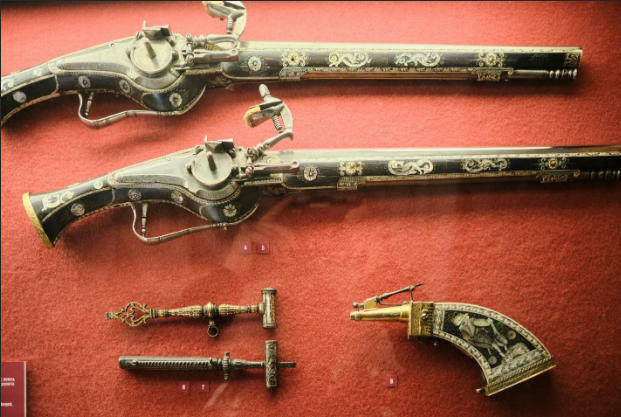
Handling inherited firearms can turn a routine estate settlement into a high-stakes responsibility. You may find incomplete paperwork, unfamiliar modifications, valuable accessories, or items that cannot be handled through an ordinary sales process. Meanwhile, beneficiaries may be pushing for quick decisions before the collection has even been reviewed.
In 2026, firearm auction compliance demands more deliberate planning around possession, classification, online listings, and buyer transfers. Understanding emerging practices early helps you protect the estate, reduce avoidable delays, and keep a complicated auction from going sideways.
Key Takeaways
- Build compliance before bidding: Decide how every firearm will be stored, listed, transferred, and released before the auction opens.
- Treat documentation as an asset: Serial details, provenance, accessories, and custody records can affect both compliance and value.
- Prepare for digital buyers: Online reach brings stronger exposure, but it also requires clearer shipping, pickup, and transfer terms.
5 Firearm Auction Compliance Trends Executors Should Follow in 2026
Rules Keep Moving
Old estate-sale checklists may no longer reflect the current federal landscape. In May 2026, the ATF proposed revising regulations related to when someone is considered “engaged in the business” of dealing firearms. That makes transaction structure, not simply the words “estate sale,” an important detail for executors and auction professionals to review.
For compliance across a firearm auction, you should establish who possesses the firearms, who controls their sale, and whether an auctioneer is acting as the estate’s agent. ATF guidance distinguishes estate-type auctions from arrangements in which firearms are purchased or accepted into business inventory. When the facts feel blurry, obtain qualified legal or licensing guidance before advertising begins.
Appraisals Reveal Red Flags
A professional review can uncover issues that a general household inventory may miss. Altered components, hard-to-read serial numbers, military markings, matching accessories, or original paperwork may influence how an item is valued and presented. Arranging specialized appraisal services early also gives you time to investigate unusual pieces before catalog deadlines create unnecessary pressure.
Good documentation helps beneficiaries understand why one firearm received a different estimate or sales strategy than another. It can also keep historically important boxes, scopes, letters, and accessories from being separated during cleanout. For mixed estates, an appraiser familiar with firearms and personal property can organize the collection without treating every inherited object as though it belongs in the same auction category.
Custody Trails Go Digital
A handwritten inventory may be useful, but it should not be the estate’s only record. Executors increasingly benefit from creating a digital file containing photographs, serial numbers, discovery locations, condition notes, appraisal documents, and the name of each person who handled an item. Store that information securely rather than circulating it through casual texts or shared family chats.
This approach strengthens firearm auction compliance by making responsibility clear long before the successful bid. If a firearm moves from a residence to storage, an attorney’s office, or an auction facility, the record should show when and why. A consistent custody trail can reduce beneficiary disputes, prevent accessories from becoming detached, and help professionals identify items that require additional review before transportation or sale.
Online Terms Get Specific
Digital auctions can introduce an estate collection to bidders well beyond the immediate community. However, greater reach also brings more questions about pickup appointments, dealer transfers, shipping availability, buyer identification, and delayed background-check decisions. These conditions should appear in the catalog before anyone places a bid, not for the first time on an invoice.
An experienced Cedar Rapids auction house offering live and timed bidding may help executors reach specialized buyers while keeping transaction instructions centralized. The FBI’s 2025 report notes that fewer than 8% of NICS checks processed by its section required additional research, yet those cases still demonstrate why immediate release should never be assumed.
Storage Supports Settlement
Firearms do not always move directly from the decedent’s home to a buyer. Probate disputes, missed pickup appointments, weather disruptions, delayed transfers, or an early property closing can leave the estate in need of secure interim storage. You should determine who has access, how ammunition is handled, and what happens when a winning buyer cannot complete the transaction.
Storage planning now belongs within firearm auction compliance rather than at the bottom of a last-minute checklist. Keeping each firearm with its correct documents and accessories protects both condition and catalog accuracy. It also gives the executor more control when a residence must be emptied before the auction is settled. The goal is not simply to lock items away; it is to maintain an orderly, documented path toward lawful release.
Conclusion
A strong auction outcome involves more than an impressive final bid. It should protect the estate, provide beneficiaries with a transparent record, and set realistic expectations for buyers from the beginning. In 2026, firearm auction compliance depends on verifying current rules, preserving custody details, appraising unusual property, and addressing transfer logistics before listings go live.
When an item’s classification or ownership history remains uncertain, slowing down is the smart play. Careful coordination with an experienced auction professional, licensed dealer, or qualified attorney can help you close the estate without creating a new problem.
FAQs
Can inherited firearms enter estate auctions?
Yes, but estate auctions involving firearms should establish possession, buyer eligibility, transfer procedures, and state-specific restrictions before bidding begins.
Do older firearms need appraisals?
Yes. Age alone does not establish legal classification or value, so unusual firearms, provenance, modifications, and accessories should receive specialist review.
Can firearms join collectible auctions?
Yes, but collectible auctions must still follow applicable transfer rules; historical interest does not automatically exempt a firearm from legal requirements.