
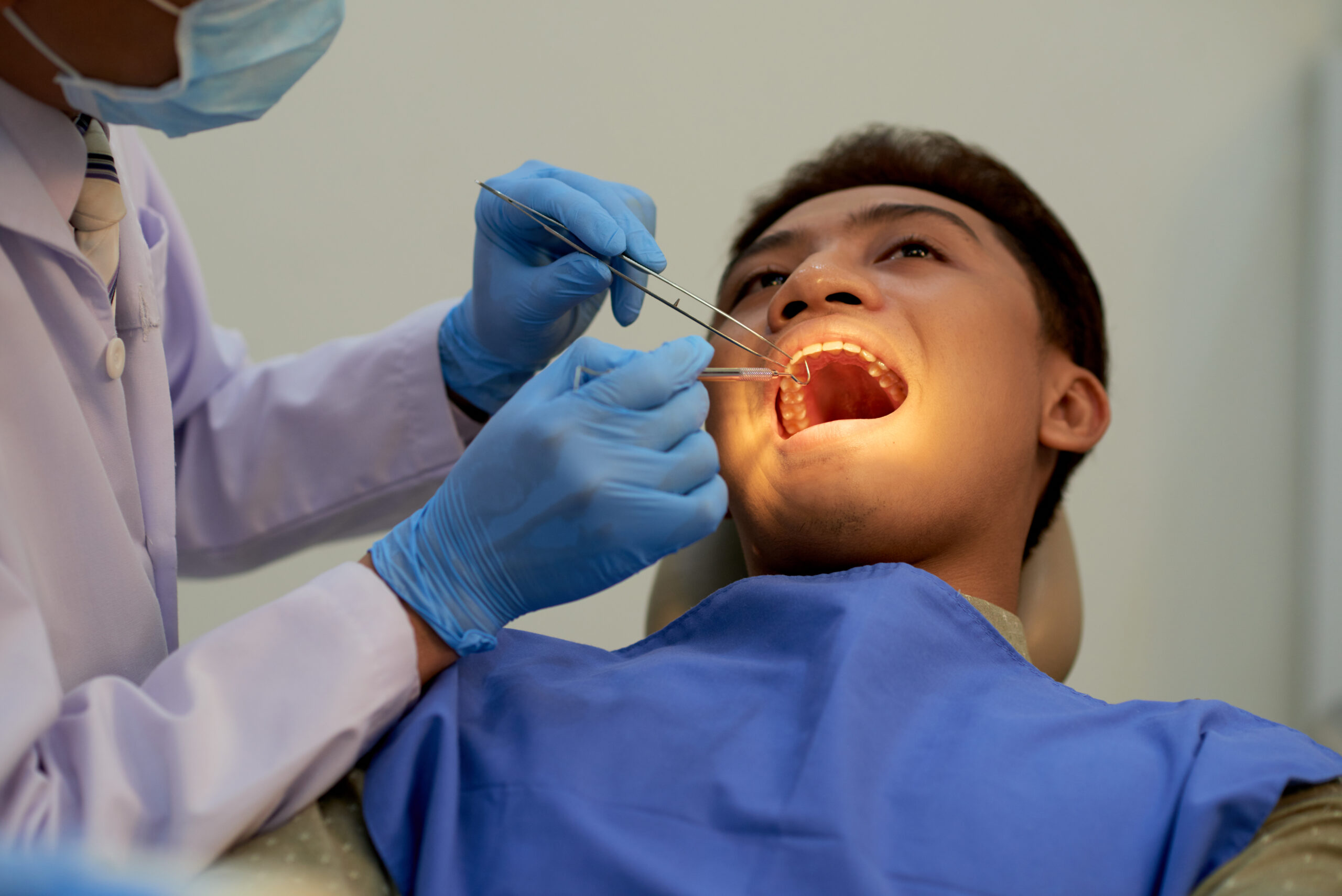
Having a tooth removed can bring relief when you are dealing with severe pain, infection, decay, or a damaged tooth. However, many people become concerned about what happens after the procedure. If you are searching for tooth extraction near me, one of the most common questions you may have is, “How long will it take to recover?”
The answer depends on several factors, including the type of extraction, location of the tooth, overall oral health, and how closely you follow post-extraction care instructions. While initial recovery may take only a few days, complete healing of the gum and underlying bone can take several weeks or longer.
Understanding the tooth extraction recovery timeline can help you recognize what is normal and when you should contact a dental professional.
What Is Tooth Extraction Recovery?
Tooth extraction recovery refers to the period after a tooth has been removed during which the extraction site heals.
Once the tooth is removed, the body immediately begins repairing the area. A blood clot forms inside the empty socket. This clot protects the underlying bone and nerves while new tissue gradually develops.
Over time, the gum tissue closes and the underlying bone begins remodeling.
The recovery process generally occurs in stages rather than finishing all at once.
How Long Does Tooth Extraction Take to Heal?
For many people, the most noticeable discomfort improves within a few days. However, the extraction socket continues healing for several weeks.
A general recovery timeline may look like this:
- First 24 hours: Blood clot formation and initial healing begin.
- Days 2–3: Swelling and soreness may be noticeable.
- Days 3–7: Discomfort often begins to improve.
- One to two weeks: Gum tissue continues closing and healing.
- Several weeks: Deeper tissues continue repairing.
- Several months: Bone remodeling may continue, particularly after more complex extractions.
These timeframes are general. Your actual recovery may be shorter or longer depending on your individual circumstances.
What Happens During the First 24 Hours?
The first day is particularly important because the blood clot must remain stable.
After extraction, your dental professional may place gauze over the socket and ask you to apply gentle pressure.
During this period, you may experience:
- Mild bleeding or oozing
- Tenderness
- Numbness from anesthesia
- Swelling
- Mild jaw stiffness
Follow the aftercare instructions you receive.
Avoid activities that could disturb the extraction site, including vigorous rinsing, forceful spitting, or using a straw.
Smoking and tobacco use should also be avoided because they can interfere with healing and increase the risk of complications.
What Happens During Days 2 and 3?
Swelling and soreness may become more noticeable during the first few days.
This does not necessarily mean something is wrong. Some swelling is a normal response to tissue injury.
You may find it easier to eat soft foods such as:
- Yogurt
- Mashed potatoes
- Soft eggs
- Oatmeal
- Applesauce
- Soft pasta
- Smooth foods that require minimal chewing
Follow any specific dietary instructions provided by your dental professional.
What Happens After the First Week?
By the end of the first week, many people notice that discomfort has significantly improved.
The gum tissue continues to heal, and the extraction socket gradually becomes smaller.
However, the site may not be completely healed yet. You should continue following your dental professional’s instructions regarding oral hygiene, food choices, and physical activity.
If you experience increasing pain rather than gradual improvement, contact your dental professional.
Factors That Affect Tooth Extraction Recovery
If you are searching for tooth extraction near me, it is important to understand that recovery time varies between individuals.
Several factors can influence healing.
Type of Extraction
A simple extraction is usually less complex than a surgical extraction. Surgical procedures may involve an impacted tooth, gum incision, or removal of surrounding bone.
As a result, surgical extraction may require a longer recovery period.
Location of the Tooth
The location of the extracted tooth can influence the recovery experience.
For example, wisdom tooth extraction may cause more swelling and jaw stiffness than removal of an easily accessible tooth.
Presence of Infection
An infected tooth or dental abscess may affect the surrounding tissues and influence recovery.
Your dental professional will determine whether additional treatment is necessary to manage infection.
Overall Oral Health
Healthy gums and good oral hygiene can support normal healing.
Existing gum disease or poor oral health may make recovery more complicated.
Smoking and Tobacco Use
Smoking can interfere with the body’s healing process and may increase the risk of complications such as dry socket.
Avoiding tobacco during recovery is strongly recommended.
Following Aftercare Instructions
Your recovery can be affected by how closely you follow your dental professional’s instructions.
Protecting the extraction site, maintaining appropriate oral hygiene, and avoiding activities that disrupt the blood clot can support healing.
What Is a Blood Clot and Why Is It Important?
A blood clot forms naturally in the extraction socket shortly after the tooth is removed.
It serves several important purposes. It protects the underlying bone and nerves and provides a foundation for new tissue to develop.
Because the clot is essential for healing, you should avoid actions that could dislodge it.
These may include:
- Drinking through a straw
- Smoking
- Forceful spitting
- Vigorous rinsing
- Touching the socket with fingers or objects
- Eating hard foods that could injure the site
Always follow the specific instructions provided by your dental professional.
What Is Dry Socket?
Dry socket is a painful complication that can occur when the blood clot becomes dislodged or fails to form properly.
Instead of gradually improving, pain may become more intense several days after extraction.
Possible signs include:
- Severe pain
- Pain spreading toward the ear or jaw
- Bad breath
- Unpleasant taste
- Visible empty-looking socket
If you develop severe or worsening pain after tooth removal, contact a dental professional for evaluation.
How to Support Faster Tooth Extraction Healing
There is no guaranteed way to make the body heal instantly, but following good aftercare practices can support normal recovery.
Follow Your Dental Professional’s Instructions
Your personalized instructions should take priority over general advice.
Protect the Extraction Site
Avoid touching or disturbing the area unnecessarily.
Eat Appropriate Foods
Soft foods can reduce irritation during the early recovery period.
Stay Hydrated
Drink adequate fluids, but avoid using straws if instructed to avoid suction.
Maintain Oral Hygiene
Keeping your mouth clean is important, but the extraction site should be treated gently.
Avoid Tobacco
Smoking and other tobacco products can interfere with healing and increase complication risks.
Rest
Give your body time to recover, particularly after a surgical extraction.
When Can You Return to Normal Activities?
The answer depends on the type of extraction and how you feel.
For a simple extraction, some people can return to normal daily activities relatively quickly.
A surgical extraction may require more rest.
Your dental professional may recommend avoiding strenuous exercise for a short period because intense activity can increase blood pressure and potentially contribute to bleeding.
Follow your personalized instructions rather than relying solely on general recovery timelines.
When Can You Brush Your Teeth?
Maintaining oral hygiene remains important after extraction, but you should avoid disturbing the socket.
Your dental professional can tell you when and how to brush around the extraction area.
In general, gentle cleaning of the rest of your mouth is important for reducing plaque and supporting overall oral health.
Avoid aggressive brushing directly over the extraction site during the early healing period unless specifically instructed otherwise.
When Can You Eat Solid Foods?
You may gradually return to more solid foods as discomfort decreases and the extraction site heals.
Start with soft foods and avoid foods that can become trapped in the socket or irritate the area.
Examples of foods that may be difficult during early healing include:
- Nuts
- Chips
- Popcorn
- Hard candies
- Tough meats
- Very crunchy foods
Your dental professional can provide personalized dietary guidance.
When Should You Be Concerned About Recovery?
Some soreness and swelling are expected. However, certain symptoms may indicate a complication.
Contact your dental professional if you experience:
- Severe or worsening pain
- Persistent heavy bleeding
- Increasing swelling
- Fever
- Pus or unusual drainage
- Persistent foul taste
- Difficulty opening your mouth
- Symptoms that are not improving
Severe swelling that interferes with breathing or swallowing requires immediate medical attention.
Does Tooth Extraction Leave a Permanent Hole?
Immediately after extraction, there is an open socket where the tooth was located.
The socket gradually fills with new tissue as healing occurs. Gum tissue eventually closes over the area, while the underlying bone continues remodeling.
The exact healing process depends on the tooth and individual circumstances.
If the missing tooth needs replacement, options such as dental implants, bridges, or partial dentures may be discussed.
Should You Replace an Extracted Tooth?
Replacement depends on the tooth’s location and your oral health needs.
Replacing certain missing teeth may help restore chewing ability and reduce the chance of nearby teeth shifting.
Potential options include:
Dental Implants
Implants can replace the root structure and support a dental restoration.
Dental Bridges
Bridges can fill the space created by a missing tooth using neighboring support.
Partial Dentures
Partial dentures can replace one or several missing teeth and may be removable.
A dental professional can explain which option is appropriate for your situation.
How to Prepare for a Faster Recovery
Before your extraction, ask for clear instructions about:
- Eating and drinking
- Medications
- Anesthesia
- Transportation
- Work and exercise
- Oral hygiene
- Food choices
- Warning signs
- Follow-up appointments
Planning ahead can make the recovery period easier.
If you are searching for tooth extraction near me, consider asking about aftercare before the procedure rather than waiting until after the tooth has been removed.
Frequently Asked Questions
1. How many days does it take to recover from tooth extraction?
Many people experience noticeable improvement within several days, but complete healing takes longer. Gum healing may continue for several weeks, while bone remodeling can take several months.
2. Is swelling normal after tooth extraction?
Yes, some swelling can occur after extraction, particularly following surgical procedures. It should generally improve gradually rather than continuously worsen.
3. How long does tooth extraction pain last?
Mild to moderate soreness is common during the first few days. Pain that becomes severe or worsens after initially improving should be evaluated.
4. Can I sleep normally after tooth extraction?
Rest is important during recovery. Follow your dental professional’s instructions regarding sleeping position and activity, especially during the first night.
5. When can I exercise after tooth extraction?
The timing depends on the extraction and your recovery. Strenuous exercise may need to be avoided temporarily because it can contribute to bleeding or discomfort.
6. What foods should I avoid after tooth extraction?
Avoid foods that are hard, crunchy, sticky, excessively hot, or likely to become trapped in the extraction site during early healing.
7. How can I prevent dry socket?
Protect the blood clot by following your aftercare instructions. Avoid smoking, using straws, forceful spitting, vigorous rinsing, and disturbing the extraction site.
8. When should I call a dentist after tooth extraction?
Contact a dental professional if you develop severe or worsening pain, persistent bleeding, increasing swelling, fever, pus, or other concerning symptoms.
Conclusion
Tooth extraction recovery does not happen overnight. While discomfort often begins improving within a few days, the gum and underlying bone continue healing for weeks or longer.
If you are searching for tooth extraction near me, understanding the recovery process can help you prepare for the procedure and recognize potential complications. Factors such as extraction type, tooth location, infection, oral health, tobacco use, and aftercare can all influence how quickly you heal.
Following your dental professional’s instructions, protecting the extraction site, maintaining good oral hygiene, eating appropriate foods, and avoiding tobacco can support a smoother recovery.
If something does not feel right during healing—particularly severe pain, increasing swelling, fever, or persistent bleeding—contact a dental professional promptly rather than waiting for the problem to resolve on its own.