Healing is one of the body’s most remarkable abilities, yet it does not always happen as expected. Factors such as diabetes, poor circulation, aging, infection, and repeated pressure can interrupt the normal healing process, leaving patients with wounds that persist for weeks or even months. For healthcare professionals, these complex cases require more than routine treatment. They demand solutions that encourage tissue repair while fitting into a comprehensive wound management plan.
One area that has attracted growing clinical interest is the use of amniotic wound grafts. Rather than serving as a replacement for conventional wound care, these biologic therapies are designed to enhance it by creating an environment that supports tissue regeneration. As evidence continues to grow, they are becoming an increasingly valuable option in advanced wound care programs.
When Traditional Wound Care Reaches Its Limits
Every wound follows a sequence of healing stages that includes inflammation, tissue formation, and remodeling. In many patients, this process progresses without complications. However, chronic wounds often become stalled because the healing environment is no longer functioning as it should.
Persistent inflammation, reduced blood flow, bacterial burden, and underlying health conditions can all interfere with recovery. Even when clinicians use appropriate dressings, offloading techniques, infection control, and debridement, some wounds require additional biological support before meaningful healing can occur.
This challenge has encouraged healthcare providers to explore regenerative therapies that work with the body’s natural repair mechanisms instead of simply protecting the wound surface.
What Makes Amniotic Wound Grafts Different?
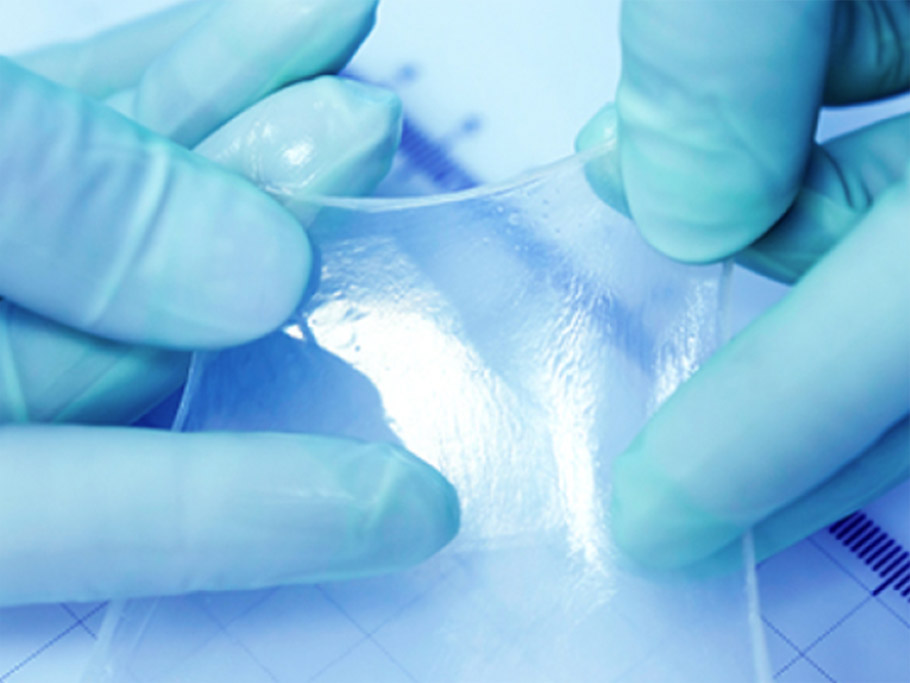
Amniotic wound grafts are developed from donated placental tissue that undergoes careful screening and processing before medical use. The resulting graft preserves important structural components that help create a favorable environment for tissue repair.
Unlike standard dressings, these grafts act as a biologic scaffold that supports the migration of healthy cells while helping maintain appropriate moisture balance within the wound bed. They are intended to complement established wound care practices rather than replace them.
Because they originate from naturally occurring human tissue, they have become an important area of research within regenerative medicine, where the focus is on restoring damaged tissue through biological healing processes.
A Broader View of Advanced Wound Management
Modern wound care is rarely built around a single product. Successful treatment typically combines several evidence-based approaches that address both the wound itself and the patient’s overall health.
Depending on the clinical situation, a treatment plan may include:
- Thorough wound assessment.
- Debridement to remove unhealthy tissue.
- Infection prevention and control.
- Pressure redistribution or offloading.
- Compression therapy when indicated.
- Nutritional support.
- Regular monitoring and follow-up.
Within this broader strategy, amniotic wound care products may be introduced when clinicians determine that additional regenerative support could improve healing potential.
Patients Who May Benefit
Not every wound requires advanced biologic therapy. Healthcare providers evaluate each patient individually before recommending these treatments.
Situations where regenerative products may be considered include:
- Diabetic foot ulcers that heal slowly.
- Venous leg ulcers with prolonged inflammation.
- Pressure injuries resistant to standard care.
- Surgical wounds with delayed closure.
- Traumatic soft tissue wounds.
- Complex wounds involving tissue loss.
The decision depends on multiple clinical factors rather than the wound type alone. Careful assessment helps ensure that advanced therapies are used where they are most likely to provide meaningful benefit.
Why Clinicians Are Paying Attention
The growing interest in regenerative medicine reflects a desire to improve both healing quality and patient outcomes. Clinicians managing difficult wounds often look beyond simple wound closure and consider factors such as comfort, preservation of healthy tissue, and reduced risk of complications.
Many advanced biologic solutions have been incorporated into multidisciplinary wound centers because they can fit alongside established standards of care without disrupting existing treatment protocols.
This integrated approach allows providers to adapt therapy based on patient progress rather than relying on a one-size-fits-all solution.
Evaluating Quality Beyond the Product
Selecting a biologic therapy involves more than reviewing clinical indications. Healthcare providers also consider how the product is manufactured and supported by scientific evidence.
Important considerations include:
- Ethical tissue donation practices.
- Comprehensive donor screening.
- Controlled processing methods.
- Reliable preservation technology.
- Regulatory compliance.
- Published clinical research supporting safe use.
These factors contribute to consistency and help clinicians make informed treatment decisions for their patients.
The Future of Regenerative Wound Care
Research into biologic therapies continues to expand as scientists investigate new preservation techniques, combination therapies, and next-generation biomaterials. Advances in regenerative medicine may eventually allow clinicians to tailor wound treatments more precisely based on individual patient needs and healing characteristics.
At the same time, the emphasis remains on evidence-based care. Continued clinical studies will play an important role in defining best practices, identifying ideal candidates, and optimizing treatment protocols.
Conclusion
Managing complex wounds requires a thoughtful combination of clinical expertise, patient-centered care, and access to advanced therapeutic options. While conventional wound management remains the cornerstone of treatment, regenerative technologies are providing clinicians with additional tools for challenging cases.
Among these innovations, amniotic wound grafts have emerged as an important component of modern wound care because of their ability to support the body’s natural healing environment. When integrated into a comprehensive treatment strategy, amniotic wound care products can help clinicians address difficult wounds while promoting more effective tissue repair.
As healthcare continues to embrace regenerative medicine, these biologic therapies are expected to remain an important part of the conversation, offering new possibilities for improving healing outcomes without losing sight of the fundamentals of quality wound care.